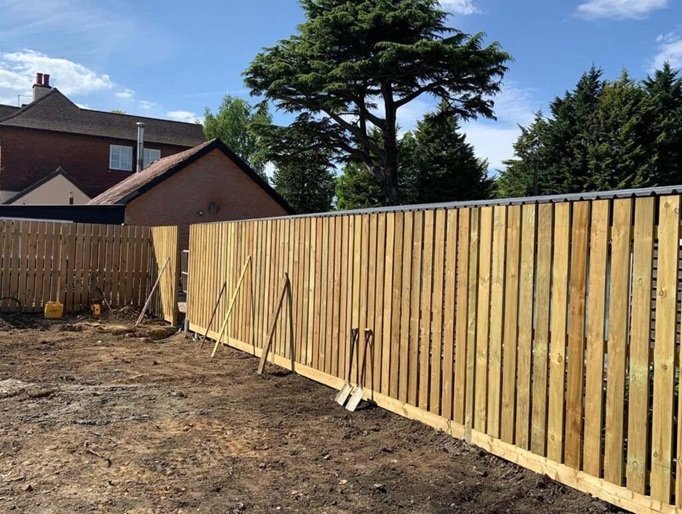
Commercial property owners face dual challenges protecting their sites—securing valuable assets against theft, vandalism, and unauthorized access while managing noise impacts that affect neighboring properties and regulatory compliance. Traditional approaches treating these as separate concerns create redundant infrastructure, duplicated costs, and missed opportunities for integrated solutions delivering both objectives efficiently. Modern fencing systems designed specifically for commercial applications combine security features with acoustic performance, property boundary definition, and visual appeal that generic chain-link or basic timber fencing cannot match. Understanding how specialized commercial fencing addresses multiple site protection requirements simultaneously reveals why sophisticated property owners increasingly specify engineered solutions rather than accepting compromise inherent in budget alternatives designed for residential applications or basic perimeter marking.
The Dual Challenge of Commercial Site Protection
Commercial and industrial properties operate under constraints that residential properties rarely face, creating unique requirements that standard fencing approaches inadequately address.
Security demands protect equipment, inventory, vehicles, and infrastructure worth hundreds of thousands or millions of dollars from theft or vandalism that could disrupt operations and create substantial financial losses. Basic fencing providing visual deterrence without genuine physical barrier merely delays rather than prevents determined intruders.
Noise management requirements stem from EPA regulations limiting sound emissions from commercial operations, community expectations about acceptable neighborhood noise levels, and the reality that noise complaints trigger enforcement actions potentially restricting operating hours or requiring expensive retrofits. Manufacturing facilities, warehouses with loading docks, construction sites, and waste management facilities all generate operational noise requiring mitigation.
Property value considerations recognize that professional, well-maintained perimeter fencing enhances commercial property values while run-down or inadequate fencing detracts from perceived quality affecting tenant attraction and property valuations. First impressions matter enormously in commercial real estate.
Liability exposure from inadequate site security creates legal risks when foreseeable security breaches enable crimes against employees, customers, or neighboring properties. Property owners owe duty of care implementing reasonable security measures proportionate to known risks.
Acoustic Fencing: Managing Noise Impact
Specialized acoustic fence systems address noise pollution through engineered materials and construction techniques that standard fencing cannot replicate.
Sound transmission class ratings quantify acoustic performance, with purpose-built noise barriers achieving STC ratings of 25-35 compared to STC 10-15 for standard timber or chain-link fencing. This difference translates to perceived noise reduction of 50-80% rather than the marginal reduction that basic fencing provides.
Mass and density represent fundamental physics of sound blocking—heavier, denser materials prevent sound transmission more effectively than lightweight alternatives. Acoustic fencing incorporates high-density materials including specialized composites, mass-loaded vinyl barriers, or concrete panels that generic fencing products cannot match.
Height optimization addresses how sound travels, with taller barriers interrupting more sound transmission particularly for elevated noise sources like rooftop equipment or truck loading docks. Acoustic analysis determines optimal barrier heights balancing effectiveness against cost and visual impact.
Absorption versus reflection characteristics affect how acoustic barriers interact with sound. Pure reflection can redirect noise rather than eliminating it, potentially creating problems at different locations, while absorptive surfaces capture and dissipate sound energy reducing overall noise levels.
Gap elimination through proper installation prevents the acoustic short-circuits that occur when gaps at ground level, panel joints, or gate interfaces allow sound transmission bypassing barrier materials. Professional installation ensuring tight seals proves as important as material selection.
Security Fencing: Physical Protection and Deterrence
Comprehensive Security fencing creates layered protection combining physical barriers, visual deterrence, and integration with broader security systems protecting commercial properties.
Height specifications for security applications typically range from 2.1-2.4 meters or higher depending on threat assessment and asset value. This height prevents casual climbing while creating psychological deterrence suggesting serious security commitment that discourages opportunistic criminals.
Anti-climb features including smooth surfaces, minimal horizontal rails, and specialized toppings prevent or delay climbing attempts. Modern security fencing avoids the horizontal elements that traditional chain-link provides, which essentially create climbing ladders rather than barriers.
Material strength using heavy-gauge steel, aluminum, or composite materials resists cutting, prying, or impact damage that lightweight alternatives cannot withstand. Security fencing must survive a determined attack for sufficient time allowing security response rather than failing immediately.
Gate and access control integration ensures that vehicle and pedestrian access points maintain security levels consistent with perimeter fencing. Gates represent the most common security weak points when inadequately specified or maintained.
Visibility considerations balance conflicting objectives—transparent fencing like welded mesh enables surveillance and prevents criminals from working hidden from view, while opaque barriers provide privacy and hide valuable assets from street view attracting thieves. Site-specific security assessment determines optimal visibility approach.
Integrated Solutions: Combining Acoustic and Security Performance
Modern commercial fencing systems increasingly combine acoustic and security features into integrated solutions delivering both objectives without separate parallel installations.
Composite acoustic security panels incorporate dense core materials providing sound blocking while exterior surfaces offer security-appropriate finish and anti-climb characteristics. These engineered systems outperform generic acoustic or security products used separately.
Modular design flexibility allows mixing acoustic panels where noise control proves critical with security-focused panels where theft prevention takes priority, creating customized solutions optimized for specific site conditions rather than uniform one-size-fits-all approaches.
Cost efficiency from integrated systems avoids duplicated foundation work, labor costs, and project management overhead that separate acoustic and security installations create. Single comprehensive installation proves more economical than sequential projects addressing objectives separately.
Aesthetic cohesion through consistent design language, materials, and finishes creates professional appearance that mismatched acoustic barriers beside security fencing cannot achieve. Visual consistency enhances property presentation while delivering functional performance.
Site-Specific Design Considerations
Effective commercial fencing requires customization based on actual site conditions, operational requirements, and regulatory constraints rather than defaulting to generic specifications.
Noise source identification and characterization determines which site areas require acoustic treatment and what performance levels sufficiently mitigate noise to acceptable levels. Not all perimeter sections require maximum acoustic performance—strategic placement optimizes budget efficiency.
Traffic flow patterns for vehicles and pedestrians influence gate locations, widths, and types ensuring operational efficiency while maintaining security. Poorly planned access points create bottlenecks or security vulnerabilities.
Sight line preservation for security cameras, guard stations, or neighboring visibility requires coordinating fence heights and opacity with surveillance requirements. Completely opaque barriers that hide criminal activity prove counterproductive.
Underground services including utilities, drainage, and foundations affect where posts can be installed and what foundation types prove appropriate. Inadequate investigation leads to costly surprises during installation.
Wind loading calculations based on site exposure and fence height ensure structural adequacy preventing fence failure during storms. Commercial fencing represents significant investment deserving proper engineering rather than guesswork.
Material Selection and Performance Characteristics
Various materials offer different combinations of acoustic performance, security capability, durability, and cost affecting optimal selection for specific applications.
Steel fencing provides excellent security and durability while accommodating acoustic panel integration. Corrosion protection through galvanizing or powder coating ensures longevity in harsh Australian conditions.
Aluminum offers lightweight alternatives with good corrosion resistance suited to less severe security requirements or applications where weight limitations exist. However, aluminum’s lower strength makes it less appropriate for high-security applications.
Composite materials combining multiple material types achieve performance characteristics that single materials cannot deliver. Modern composites offer excellent acoustic performance with adequate security capability and minimal maintenance requirements.
Concrete or masonry construction delivers superior acoustic performance and security but involves higher installation costs and permanent nature preventing relocation if future site changes occur.
Timber acoustic barriers provide natural aesthetics and reasonable sound blocking but require regular maintenance and offer limited security capability unless combined with other materials.
Installation Quality and Professional Execution
Even superior fencing products deliver disappointing results when improperly installed, making professional installation essential for commercial applications.
Foundation adequacy ensures fences remain stable under wind loading, ground movement, and potential impact. Inadequate footings lead to leaning, settling, or complete failure compromising both function and appearance.
Alignment and level installation maintains professional appearance and ensures consistent gap control for acoustic performance. Uneven fence panels create both visual problems and acoustic leaks.
Integration with existing structures including buildings, gates, other fencing, and site features requires careful detailing, preventing gaps, misalignments, or awkward transitions that compromise performance and appearance.
Compliance documentation including engineering certifications, acoustic test reports, and installation records provides evidence of proper specification and execution when regulatory inspections or insurance reviews occur.
Maintenance and Long-Term Performance
Commercial fencing represents significant capital investment deserving proper maintenance ensuring extended service life and continued performance.
Regular inspection identifying damage, corrosion, loose fastenings, or degraded seals enables timely repairs preventing minor issues from escalating to major failures requiring expensive replacement.
Cleaning and surface treatment particularly for acoustic panels maintains both appearance and performance. Dirt accumulation, graffiti, or vegetation growth degrade visual presentation while potentially affecting acoustic characteristics.
Gate and hardware maintenance ensures smooth operation and continued security functionality. Gates receive intensive use and abuse making them particularly maintenance-intensive compared to static fence panels.
Vegetation management prevents plants from damaging fencing, creating climbing aids, or blocking security sight lines. Proper landscape planning separates plantings from fence lines preventing conflicts.
Return on Investment and Value Creation
While commercial-grade fencing involves higher initial investment than basic alternatives, multiple benefits justify the premium through both immediate and long-term value creation.
Regulatory compliance avoiding EPA noise violations, council complaints, or operating restrictions that could limit business operations or trigger expensive retrofits justifies acoustic fencing investment through risk mitigation.
Insurance premium reduction from improved security may offset fencing costs over time as insurers recognize reduced theft and vandalism risks warranting lower premiums.
Property value enhancement from professional perimeter treatment improves tenant attraction, supports premium rents, and increases overall property valuations benefiting ownership returns.
Reduced security incidents through effective perimeter protection prevents losses from theft, vandalism, and operational disruption that inadequate security enables.
Professional Design and Implementation
Complex commercial fencing projects benefit enormously from professional expertise ensuring appropriate specification, proper installation, and regulatory compliance.
Acoustic engineering analysis determines required performance levels and validates that proposed fencing achieves objectives rather than guessing at adequate solutions.
Security assessment evaluates actual threats and vulnerabilities informing appropriate protection levels avoiding both under-protection exposing properties to foreseeable risks and over-specification wasting resources on unnecessary features.
Local regulatory knowledge ensures compliance with building codes, noise ordinances, setback requirements, and other regulations affecting commercial fencing that property owners might overlook.
Project management coordinating permits, inspections, construction sequencing, and stakeholder communications streamlines implementation reducing delays and cost overruns.
Companies like Lee Group Fencing specializing in commercial applications provide integrated expertise delivering fencing solutions that genuinely address property protection requirements rather than simply installing whatever product clients request.
Commercial property protection demands sophisticated fencing solutions combining security, acoustic performance, durability, and professional appearance that residential-grade or budget alternatives cannot deliver. Investment in properly specified and professionally installed fencing systems protects assets, ensures regulatory compliance, and enhances property value justifying premium over basic perimeter marking.


