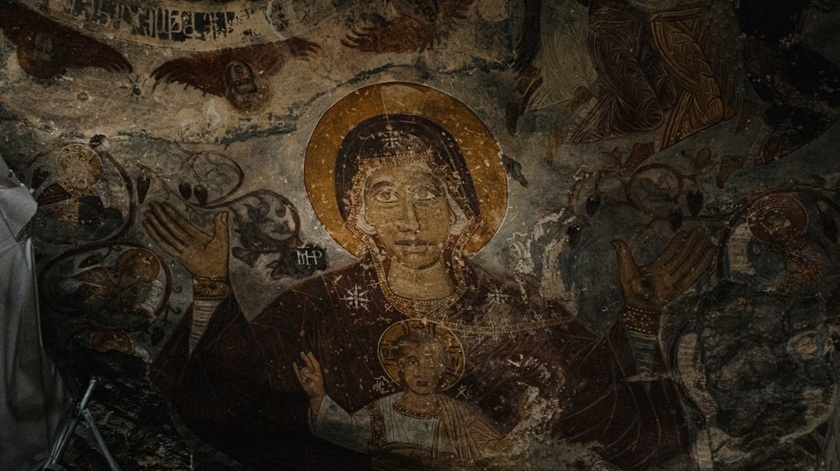
For centuries, churches have served as more than places of worship. They have been centers of culture, education, art, and community life. During the Middle Ages, when literacy rates were low and books were rare, visual art became one of the most powerful tools for communicating religious teachings. As a result, medieval churches were filled with breathtaking wall paintings, frescoes, and religious imagery designed to educate, inspire, and strengthen faith.
Today, the artistic heritage of medieval Christianity continues to influence both religious and decorative art. From ancient cathedrals to modern homes, Christian wall art remains a popular way to celebrate history, spirituality, and timeless beauty. Understanding the connection between medieval churches, Christianity, and wall paintings provides valuable insight into one of the most fascinating chapters of art history.
The Role of Churches in Medieval Society
The medieval church was the heart of daily life throughout much of Europe. Whether in a small village or a large city, churches played a central role in shaping social, cultural, and spiritual experiences.
Most people attended church regularly, not only for religious ceremonies but also for community gatherings and important life events. Churches were often the most impressive buildings in a town, showcasing remarkable architecture and artistic achievements.
Because many people could not read Latin, which was commonly used in religious texts, church leaders relied on visual storytelling to communicate biblical teachings. Paintings, sculptures, stained glass windows, and murals became essential educational tools.
These artistic elements transformed church interiors into visual narratives that explained Christian beliefs to worshippers of all ages.
Christianity and the Power of Visual Storytelling
Christianity has long recognized the importance of imagery in communicating spiritual ideas. Biblical stories often contain powerful symbolism, making them well suited for artistic representation.
Medieval artists created wall paintings that illustrated scenes such as:
- The Creation of the World
- The Nativity of Jesus Christ
- The Crucifixion
- The Resurrection
- The Last Judgment
- The Lives of Saints
- Miracles described in the Bible
These images allowed worshippers to understand complex theological concepts without needing to read religious texts.
In many ways, church walls functioned as visual books. Every painting told a story and conveyed a message designed to deepen faith and encourage reflection.
The Beauty of Medieval Wall Paintings
One of the most remarkable features of medieval churches was their decorative wall art. Contrary to the popular belief that medieval interiors were plain or dark, many churches were once covered in vibrant colors and detailed paintings.
Artists used natural pigments to create impressive scenes that covered walls, ceilings, columns, and arches. Although time has faded many of these works, surviving examples continue to amaze historians and visitors alike.
Medieval wall paintings often featured:
Religious Symbols
Christian symbols played a major role in medieval art. Crosses, lambs, doves, halos, and sacred monograms were frequently incorporated into decorative compositions.
Each symbol carried specific spiritual meaning and helped reinforce religious teachings.
Biblical Narratives
Large mural cycles often depicted stories from both the Old and New Testaments. These scenes allowed worshippers to follow important biblical events as they moved through the church.
Saints and Martyrs
Saints were highly respected within medieval Christianity. Churches frequently displayed images of local saints, apostles, and martyrs who served as examples of faith and devotion.
Heaven and Judgment
Many church walls contained dramatic representations of heaven, hell, and the Last Judgment. These powerful images encouraged moral behavior and reminded believers of eternal spiritual realities.
Gothic Cathedrals and Artistic Excellence
The Gothic period marked one of the greatest eras of Christian art and architecture. Gothic cathedrals combined soaring architecture with extraordinary visual decoration.
Churches built during this period often featured:
- Elaborate frescoes
- Decorative wall paintings
- Sculptural programs
- Illuminated manuscripts
- Magnificent stained glass windows
Together, these artistic elements created immersive spiritual environments that inspired awe and reverence.
Many of Europe’s most famous cathedrals continue to attract visitors because of their artistic and historical significance.
The Symbolism Behind Medieval Christian Art
Medieval artists rarely created images purely for decoration. Nearly every element carried symbolic meaning.
Gold backgrounds often represented divine light. Blue symbolized heaven and purity. Red could signify sacrifice, love, or martyrdom.
The positioning of figures was also important. Christ was frequently placed at the center of compositions, emphasizing His role within Christian theology. Saints were often shown holding objects associated with their lives or martyrdoms.
Understanding these symbols reveals the sophistication and intentionality behind medieval church art.
Preservation of Historic Church Paintings
Over the centuries, many medieval wall paintings were damaged by wars, environmental conditions, renovations, and changing artistic tastes.
In some regions, religious reforms led to the removal or covering of church imagery. Fortunately, restoration efforts have uncovered numerous hidden artworks beneath later layers of paint and plaster.
Today, historians, conservators, and religious organizations work together to preserve these valuable cultural treasures for future generations.
Their efforts allow modern audiences to appreciate the artistic achievements and spiritual significance of medieval Christian art.
How Medieval Church Art Influences Modern Interiors
Although centuries have passed since the Middle Ages, the visual appeal of Christian wall art remains strong.
Many homeowners are drawn to religious artwork because it combines beauty, symbolism, and historical depth. Reproductions of medieval paintings, saint portraits, biblical scenes, and cathedral-inspired artwork have become popular decorative choices.
Religious wall art can add:
- Historical character
- Spiritual meaning
- Artistic sophistication
- Cultural heritage
- Timeless elegance
Whether displayed in living rooms, libraries, offices, or personal prayer spaces, Christian-inspired artwork creates a unique atmosphere that reflects both faith and appreciation for history.
The Growing Popularity of Christian Wall Decor
In recent years, interest in religious home décor has increased among both believers and art enthusiasts. Many people seek decorative pieces that provide more than visual appeal.
Christian wall art offers an opportunity to connect with centuries of tradition while creating meaningful interior spaces.
Popular themes include:
- Jesus Christ portraits
- Biblical landscapes
- Cross artwork
- Angel imagery
- Medieval religious paintings
- Cathedral-inspired designs
- Saints and apostles
These works serve as reminders of faith while also functioning as beautiful decorative elements.
Bringing Medieval Inspiration Into Contemporary Homes
Modern technology has made it easier than ever to enjoy artwork inspired by medieval churches and Christianity. High-quality canvas prints and reproductions allow homeowners to incorporate historic artistic traditions into contemporary interiors.
Whether one prefers dramatic Gothic imagery, subtle religious symbolism, or detailed reproductions of medieval frescoes, there are countless options available.
Companies specializing in decorative wall art increasingly recognize the enduring appeal of Christian themes. Among them, SkyTablo offers wall décor inspired by timeless artistic traditions that continue to resonate with people seeking meaningful and visually striking interior designs.
Conclusion
The relationship between medieval churches, Christianity, and wall art represents one of the most important artistic traditions in human history. For centuries, religious paintings transformed church interiors into powerful visual narratives that educated, inspired, and guided believers.
These masterpieces combined faith, symbolism, craftsmanship, and storytelling in ways that continue to captivate audiences today. Although the medieval world has long passed, its artistic legacy remains alive through preserved churches, restored frescoes, and contemporary Christian wall art.
From ancient cathedrals to modern homes, the beauty and spiritual significance of religious wall paintings continue to remind us of the profound connection between art and faith. Their enduring influence demonstrates that great art has the power to transcend centuries, preserving both history and belief for generations to come.