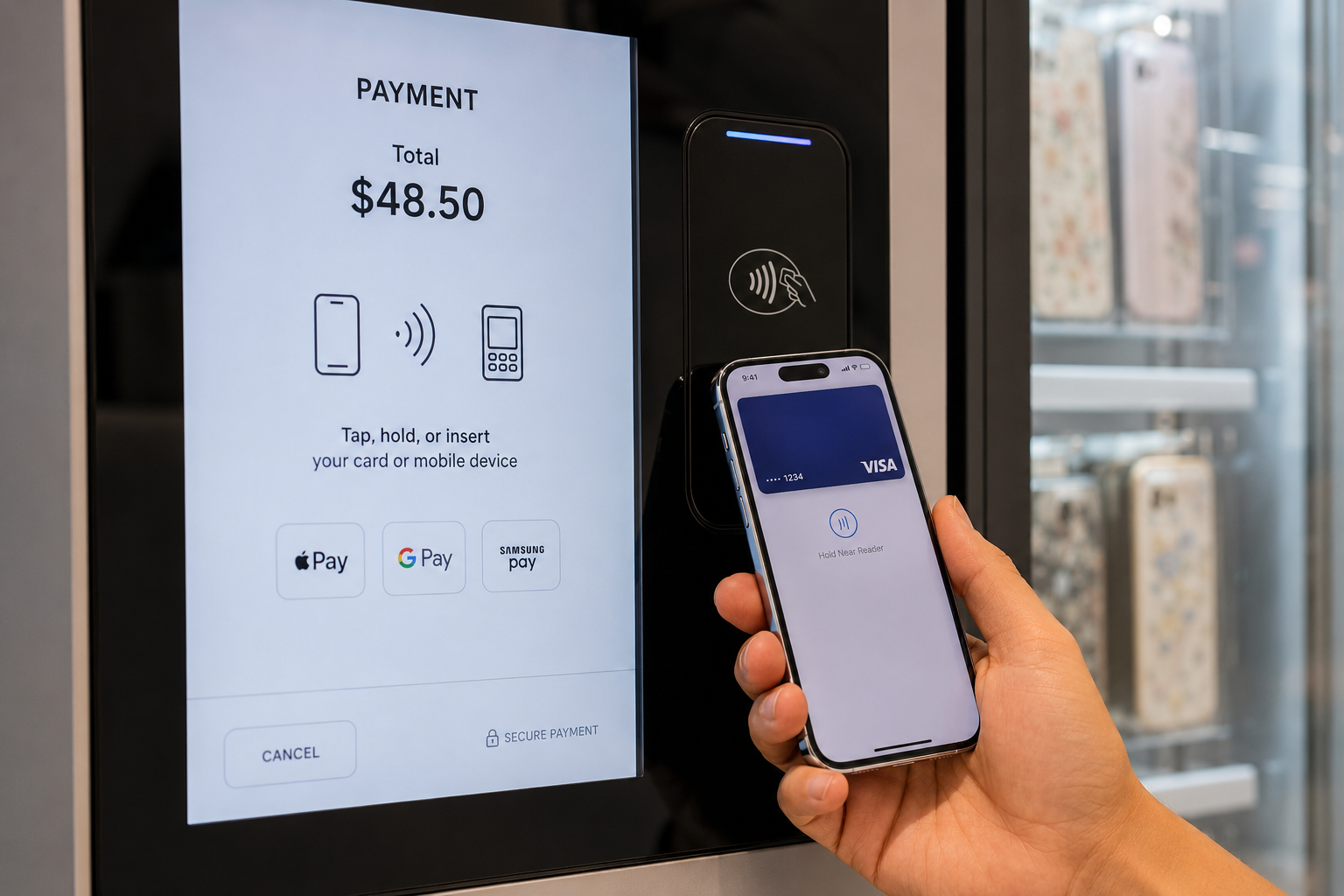
Entrepreneurship has always been about identifying opportunities before they become mainstream. Over the years, business owners have embraced everything from e-commerce and digital marketing to subscription services and mobile applications. Today, automated retail is emerging as another area that offers significant potential for ambitious entrepreneurs.
One example attracting attention is the phone case vending machine business, which combines customization, convenience, and automation into a single retail solution. As consumers increasingly look for faster shopping experiences and personalized products, entrepreneurs are finding new ways to meet demand without the overhead associated with traditional retail stores.
Automated retail is no longer limited to snack machines and beverage dispensers. It has evolved into a sophisticated business model capable of selling a wide variety of products in locations where conventional stores may not be practical.
Understanding Automated Retail
Automated retail refers to self-service systems that allow customers to browse, select, and purchase products with minimal human involvement. These systems use modern payment technologies, touchscreen interfaces, inventory tracking, and digital management tools to deliver products efficiently.
For entrepreneurs, automated retail offers a unique combination of flexibility and scalability. Unlike traditional storefronts, these systems can often operate in smaller spaces while serving customers throughout the day.
As technology continues to improve, automated retail solutions are becoming more attractive across a range of industries.
Lower Barriers to Entry
Starting a traditional retail business often requires substantial investment. Entrepreneurs may need to secure a lease, hire employees, purchase fixtures, manage inventory, and cover ongoing operating costs.
Automated retail can reduce many of these challenges.
While every business model requires planning and investment, automated solutions typically involve fewer moving parts than a full-scale retail operation. Entrepreneurs can focus on product selection, location strategy, and customer experience rather than managing a large workforce or maintaining extensive retail space.
This lower barrier to entry makes automated retail appealing to first-time business owners as well as experienced entrepreneurs seeking new opportunities.
The Power of Strategic Locations
Location remains one of the most important factors in retail success.
Automated retail systems can be placed in areas where customer traffic is already established. Shopping centers, airports, entertainment venues, hotels, universities, office buildings, and transportation hubs all offer potential opportunities.
These locations provide access to customers who are already looking for convenience and quick purchasing options.
Entrepreneurs who secure high-traffic placements can create steady sales channels without the expense of opening a traditional store in the same location.
Meeting Modern Consumer Expectations
Consumer expectations have changed significantly in recent years.
People increasingly value speed, convenience, and simplicity when making purchases. Long checkout lines and complicated shopping experiences can discourage potential buyers.
Automated retail addresses these concerns by offering:
- Quick transactions
- Self-service convenience
- Easy payment options
- Immediate product access
Businesses that align with these preferences are often better positioned to attract modern consumers.
Creating Revenue Around the Clock
One of the biggest advantages of automated retail is the ability to generate sales beyond traditional business hours.
Unlike many retail stores, automated systems can continue serving customers throughout the day and night. This extended availability creates additional earning opportunities without requiring constant staff presence.
For entrepreneurs, every additional hour of operation represents potential revenue. Locations with evening traffic, travelers, students, or entertainment visitors can benefit especially from continuous accessibility.
Personalization Creates Added Value
Many consumers are willing to pay more for products that reflect their personal style and preferences.
Automated retail systems increasingly support customization features that allow customers to select colors, graphics, designs, and other product elements.
Personalization provides several benefits:
- Higher perceived value
- Stronger customer engagement
- Increased purchase motivation
- Greater product differentiation
Entrepreneurs who incorporate customization into their offerings can often create a more memorable shopping experience while improving profit margins.
Technology Simplifies Business Management
Modern automated retail systems provide entrepreneurs with valuable management tools.
Rather than relying on manual tracking, many systems offer digital monitoring capabilities that help owners oversee operations more efficiently.
These tools may provide information regarding:
- Sales performance
- Inventory levels
- Product demand
- Transaction history
- Customer purchasing trends
Access to accurate data allows entrepreneurs to make informed decisions and adjust their strategies as needed.
Better information often leads to better business outcomes.
Expanding Without Traditional Retail Challenges
Growth is a goal for many entrepreneurs, but expansion can become difficult when each new location requires substantial investment.
Automated retail offers a more flexible path to growth.
Business owners can often add new units gradually as demand increases. This approach allows entrepreneurs to test markets, evaluate performance, and expand strategically without committing to major infrastructure projects.
Scalability is one reason automated retail continues to attract interest from investors and business owners alike.
Serving Niche Markets Effectively
Many successful businesses focus on specific customer segments rather than trying to appeal to everyone.
Automated retail is particularly well suited for niche markets because products can be tailored to specific audiences and locations.
For example, products sold near gaming centers may differ from those offered in airports or universities. This flexibility allows entrepreneurs to adapt inventory based on customer preferences and local demand.
Targeted product selection can improve sales performance while reducing unnecessary inventory costs.
Adapting to Future Retail Trends
Retail continues to evolve as technology shapes consumer behavior.
Businesses that embrace innovation often gain advantages over competitors that are slow to adapt. Automated retail allows entrepreneurs to participate in this evolution while maintaining flexibility in their operations.
As digital payments, self-service technologies, and personalized shopping experiences become more common, automated retail is likely to play a larger role in the broader retail landscape.
Entrepreneurs who enter the market early may benefit from increased consumer familiarity and growing acceptance of automated shopping solutions.
Building Multiple Income Streams
One of the most appealing aspects of automated retail is its ability to support multiple revenue opportunities.
Entrepreneurs can generate income through product sales, customized offerings, strategic partnerships, advertising opportunities, and expansion into additional locations.
Diversified income streams often create greater stability and reduce dependence on a single source of revenue.
For business owners seeking long-term growth, this flexibility can be particularly valuable.
Conclusion
Automated retail is creating opportunities that were difficult to imagine just a decade ago. By combining technology, convenience, and strategic placement, entrepreneurs can build businesses that operate efficiently while meeting the expectations of today’s consumers.
Lower operating requirements, flexible expansion options, continuous availability, and personalization capabilities make automated retail an attractive option for both new and experienced business owners. As consumer preferences continue to evolve, entrepreneurs who recognize these opportunities may find themselves well positioned for future success.
The businesses that thrive in the coming years will likely be those that understand how to blend innovation with customer convenience. Automated retail offers a practical way to achieve exactly that.