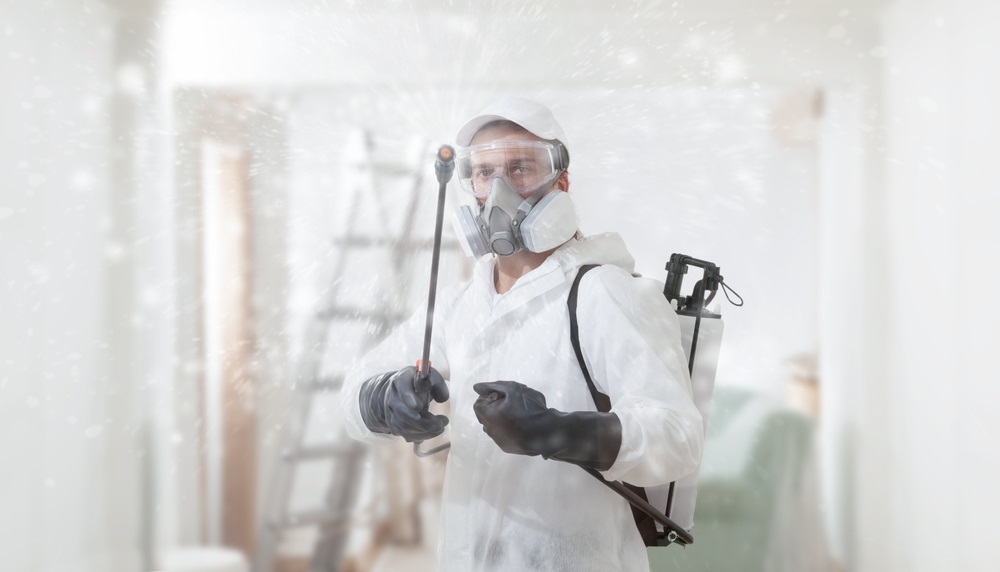
Understanding the Importance of Professional Mold Evaluation
Maintaining a healthy indoor environment requires careful attention to factors that can influence air quality and building conditions. Moisture-related issues are among the most common concerns that may affect properties, and mold growth is often connected to excessive moisture, poor ventilation, and water damage. Because mold can develop in hidden areas such as walls, ceilings, crawl spaces, and behind building materials, identifying it early can be challenging without proper evaluation. A professional approach helps determine whether mold is present, understand the possible causes, and create a suitable plan for addressing concerns. Professional mold testing provides detailed information about indoor conditions and helps property owners make informed decisions. Accurate identification is an important step toward improving air quality, protecting structures, and maintaining a healthier environment.
What Leads to Mold Development Indoors
Mold growth occurs when moisture and suitable organic materials combine under favorable conditions. Common causes include water leaks, high humidity levels, condensation, flooding, plumbing problems, and insufficient airflow. Materials such as wood, drywall, insulation, and fabrics can support mold growth when moisture remains present for extended periods. Even small water issues can create conditions where mold begins developing over time. Understanding these causes allows property owners to focus on prevention and reduce potential risks. Controlling moisture is one of the most effective ways to limit mold development. Regular maintenance and quick responses to water-related problems help create conditions that are less suitable for mold growth.
Recognizing Signs of Possible Mold Issues
Identifying early indicators of mold problems allows property owners to take action before conditions become more serious. Common signs include musty smells, visible spots, discoloration, damp areas, and recurring moisture problems. However, mold is not always visible because it can grow behind walls, under flooring, or inside ventilation systems. Changes in indoor air conditions or unexplained building damage may also indicate a possible concern. Ignoring these warning signs can allow mold growth to spread and affect building materials. A detailed assessment provides better insight into whether further action is needed. Early recognition helps reduce potential damage and supports more effective solutions.
The Purpose and Benefits of Mold Testing
Testing provides valuable information about indoor conditions and helps identify potential mold concerns that may not be obvious through visual inspection alone. Professionals use specialized methods to evaluate samples and determine whether mold particles are present. The results can help explain indoor conditions and guide decisions about necessary actions. Many property owners choose mold testing because it provides a clearer understanding of possible issues rather than relying on assumptions. Accurate information supports better planning for prevention, treatment, and maintenance. Testing can also help determine whether previous moisture problems have created ongoing concerns. A professional evaluation provides confidence and helps protect the condition of a property.
How Professional Mold Testing Works
The testing process generally begins with a detailed assessment of the property and areas where moisture concerns may exist. Professionals examine visible conditions, look for signs of water damage, and identify locations where testing may provide useful information. Depending on the situation, samples may be collected from air, surfaces, or materials. These samples are analyzed to provide information about possible mold presence and conditions. The results help property owners understand the situation and determine appropriate next steps. A structured testing process ensures that concerns are evaluated carefully and accurately. Professional methods provide more reliable information compared to simple visual checks.
Different Methods Used for Mold Identification
Several testing approaches can be used depending on the type of concern and the condition of the property. Air testing evaluates airborne particles and provides information about indoor air conditions. Surface testing involves collecting samples from specific areas where mold may be suspected. Material testing examines sections of affected materials to understand the extent of possible growth. Each method provides different information and may be recommended based on the circumstances. Professionals determine the most suitable approach after evaluating the environment. Using the right testing method improves accuracy and helps create a clearer understanding of indoor conditions.
Improving Air Quality Through Mold Prevention
Maintaining better indoor air quality requires preventing conditions that allow mold to develop. Moisture control, proper ventilation, regular cleaning, and timely repairs are important steps in reducing mold risks. Managing humidity levels helps prevent excessive moisture from creating favorable conditions for growth. Addressing leaks and water damage quickly reduces the chance of hidden problems developing. Air circulation improvements can also support a healthier indoor environment. Prevention is most effective when combined with regular maintenance and awareness. A proactive approach helps protect both the building and the people who use the space.
Common Challenges in Mold Detection
Detecting mold can be challenging because growth is not always visible and may occur in hidden areas. Some property owners may only notice problems after mold has already spread or caused noticeable damage. Another challenge is identifying the source of moisture that allowed mold to develop. Without addressing the underlying cause, problems may continue even after visible growth is removed. Professional evaluation helps overcome these challenges by providing a more complete understanding of the situation. Accurate identification supports better solutions and prevents repeated issues. Understanding these challenges highlights the importance of proper assessment.
Mistakes to Avoid When Handling Mold Concerns
When dealing with possible mold problems, certain mistakes can make the situation more difficult to manage. One common mistake is ignoring early warning signs and waiting until the issue becomes more extensive. Another mistake is attempting removal without understanding the source of moisture. Cleaning visible areas without proper evaluation may leave hidden concerns unresolved. Choosing quick solutions without addressing underlying causes can lead to recurring problems. Professional guidance helps avoid ineffective approaches and supports better results. Proper identification and prevention strategies are essential for managing mold concerns effectively.
Protecting Buildings Through Accurate Identification
Mold can affect building materials and contribute to damage if it remains untreated for long periods. Identifying concerns early allows property owners to take appropriate action and reduce potential repair needs. Accurate testing helps determine the presence of mold and provides information needed for planning solutions. Protecting the structure requires addressing both existing problems and the conditions that caused them. Regular inspections and maintenance help preserve the condition of the building over time. Professional evaluation supports better decision-making and helps protect property value. Early attention is an important part of long-term building care.
The Importance of Regular Maintenance Practices
Regular maintenance plays a major role in preventing moisture-related problems and supporting better indoor conditions. Property owners should monitor areas where water damage may occur and address issues quickly when they appear. Maintaining ventilation systems, checking plumbing components, and controlling humidity levels are important preventive measures. Routine inspections help identify potential concerns before they become more serious. Combining maintenance with professional evaluations creates a stronger approach to protecting indoor environments. Consistent care reduces risks and supports better air quality. Prevention is often more effective than dealing with extensive problems after they develop.
Choosing Professional Support for Mold Concerns
Working with experienced professionals provides valuable support when dealing with possible mold issues. Specialists understand how to evaluate conditions, collect samples properly, and interpret findings accurately. They can provide recommendations based on the results and help property owners understand available options. Professional services are especially useful when mold may exist in hidden areas or when moisture problems are complex. Reliable evaluation helps ensure that decisions are based on accurate information. Choosing qualified support improves the chances of achieving effective solutions and long-term protection.
Maintaining Better Indoor Air Quality
Indoor air quality depends on several factors, including moisture control, cleanliness, ventilation, and proper building maintenance. Mold prevention is an important part of creating a healthier indoor environment. Regular attention to air circulation and moisture conditions helps reduce potential concerns. Professional assessments provide useful information that supports better indoor management. Maintaining good air quality requires ongoing awareness and responsible care. By combining prevention strategies with accurate identification methods, property owners can create more comfortable and healthier spaces. Long-term air quality improvement depends on consistent maintenance and informed decisions.
Final Thoughts
Mold concerns require careful attention, accurate identification, and effective prevention strategies to protect buildings and indoor environments. Mold testing provides valuable information that helps identify possible problems and supports better decision-making. By understanding the causes of mold growth, recognizing warning signs, and maintaining proper moisture control, property owners can reduce risks and improve air quality. Professional evaluation, regular maintenance, and preventive practices work together to create a healthier environment. Taking proactive steps helps protect property conditions while supporting long-term comfort and safety. A professional approach to mold management provides the knowledge needed to maintain better indoor spaces.