Understanding the Impact of Smoke Damage on Indoor Spaces
Smoke damage can create serious challenges for any property because its effects often continue even after a fire has been controlled. Unlike visible fire damage, smoke particles can spread throughout different areas and settle on walls, ceilings, furniture, fabrics, electronics, and personal belongings. These particles may create unpleasant odors, stains, and residue that are difficult to remove through ordinary cleaning methods. Smoke can also enter ventilation systems and hidden spaces, making complete recovery more complicated. Professional smoke damage cleaning focuses on identifying affected areas, removing harmful residue, controlling odors, and restoring indoor comfort. A detailed approach ensures that both visible and hidden effects of smoke exposure are properly treated. Understanding the causes and solutions related to smoke damage helps property owners make better decisions during the recovery process.
Why Smoke Damage Requires Professional Treatment
Smoke-related problems are often more complex than they appear because different types of smoke produce different forms of contamination. Some smoke leaves behind sticky residue, while other types create fine particles that spread easily across surfaces. These contaminants can continue affecting materials if they are not removed correctly. Professional specialists understand how smoke behaves and use suitable methods for different surfaces and materials. Attempting to clean smoke residue without proper equipment may result in incomplete removal or additional damage. A professional approach provides better results because it addresses both the visible and hidden effects of smoke exposure. Proper treatment helps protect the property and improves the overall recovery process.
The Importance of Initial Inspection and Assessment
Before restoration work begins, a detailed inspection is necessary to understand the extent of smoke contamination. Professionals examine affected rooms, surfaces, furniture, and structural areas to determine the level of damage. Smoke particles can travel far from the original source, so a complete evaluation helps identify areas that may require special attention. Experts also check odor sources, soot deposits, and materials that may need replacement or specialized treatment. This assessment creates a clear plan for the recovery process and ensures that important areas are not overlooked. A thorough inspection improves efficiency and helps achieve better restoration results. Proper evaluation is the foundation of successful smoke recovery.
The Complete Process of Smoke Damage Cleaning
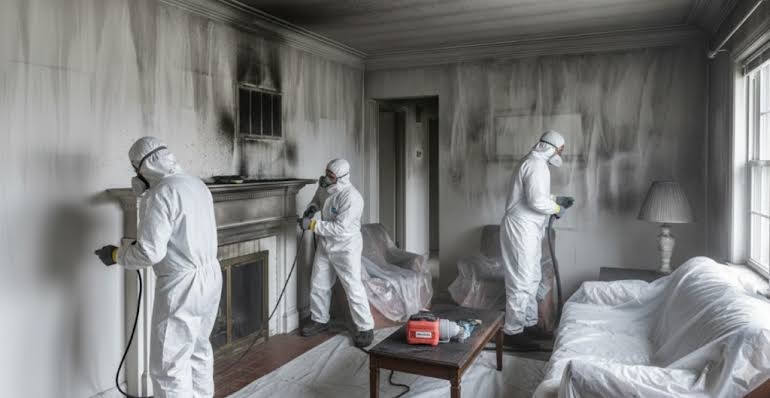
The recovery process involves several important steps designed to remove smoke residue and restore affected spaces. The first stage usually includes preparing the property, removing damaged materials, and protecting unaffected areas. Specialized equipment and cleaning solutions are then used to remove soot and smoke particles from different surfaces. Odor elimination techniques are applied to target persistent smells caused by smoke absorption. Furniture, fabrics, walls, and other materials may require different treatment methods depending on their condition. Professional smoke damage cleaning provides a complete solution instead of temporary improvements. The goal is to restore the appearance, safety, and comfort of the property through detailed cleaning and recovery procedures.
Removing Soot and Smoke Residue Effectively
Soot removal is one of the most important parts of recovering from smoke exposure. Soot particles can settle on various surfaces and create dark marks, unpleasant smells, and long-term discoloration. If soot is cleaned incorrectly, it can spread further or become more difficult to remove. Professionals use specialized products and techniques designed for different materials, including walls, furniture, flooring, and personal belongings. Careful cleaning helps restore damaged surfaces while reducing the risk of additional harm. Effective soot removal improves the overall condition of the property and supports complete recovery. Proper methods are essential for achieving professional-quality results.
Managing Smoke Odors and Improving Air Quality
Smoke odors can remain long after visible residue has been removed because smoke particles often absorb into porous materials. Carpets, curtains, upholstery, wood, and drywall can trap odors and release them over time. Ordinary air fresheners usually cover these smells temporarily rather than removing the actual source. Professional odor treatment methods target the particles responsible for persistent smells. Advanced equipment and deodorizing techniques help neutralize odors and improve indoor air quality. A complete recovery plan includes both surface cleaning and odor management. Proper smoke damage cleaning helps create a fresher and more comfortable indoor environment after smoke exposure.
Protecting Furniture and Valuable Belongings
Smoke exposure can affect many personal items, including furniture, clothing, electronics, important documents, and sentimental possessions. Some items can be restored through specialized cleaning methods, while others may need replacement depending on the severity of damage. Professionals carefully inspect belongings to determine the best recovery options. Proper handling prevents unnecessary damage and increases the chances of saving valuable items. Restoration experts use suitable techniques to treat different materials safely. Protecting personal belongings is an important part of the recovery process because many items have emotional and financial value. Careful restoration efforts can help reduce overall losses.
Common Challenges During Smoke Recovery
Smoke recovery can involve several challenges that require professional knowledge and experience. One major challenge is locating hidden smoke contamination in areas that are not immediately visible. Smoke particles may enter air systems, behind walls, and into small spaces throughout a building. Another challenge is choosing the correct cleaning method for each material because different surfaces respond differently to treatment. Delaying professional assistance can allow residue and odors to become harder to remove. Professional smoke damage cleaning helps overcome these challenges by using proper techniques and specialized equipment. A structured recovery process ensures that all affected areas receive appropriate attention.
The Role of Advanced Technology in Restoration
Modern technology has improved the effectiveness of smoke recovery projects. Advanced equipment allows professionals to detect contamination, remove particles, and improve cleaning accuracy. Air purification systems, specialized cleaning tools, and odor removal technology help create better results. These tools allow restoration teams to treat areas that traditional cleaning methods may not fully address. Technology also helps monitor progress and improve efficiency during the recovery process. Combining modern equipment with professional expertise provides stronger solutions for smoke-affected properties. Continuous improvements in restoration technology are making recovery faster and more reliable.
Preventing Future Smoke and Fire Damage
Prevention is an important part of protecting properties from future smoke-related problems. Regular maintenance of electrical systems, heating equipment, and appliances can reduce potential risks. Installing smoke alarms and checking safety equipment regularly improves early warning capabilities. Proper storage of flammable materials and careful use of household devices also contribute to safer environments. Creating an emergency plan helps occupants respond quickly during unexpected situations. Although accidents cannot always be avoided, preparation can reduce damage and improve safety. Preventive actions support long-term property protection and reduce future restoration needs.
Choosing Reliable Restoration Professionals
Selecting experienced professionals is essential for achieving effective recovery results. Qualified specialists understand how smoke affects different materials and know which cleaning methods are most suitable. They provide detailed inspections, customized recovery plans, and professional solutions based on the specific condition of the property. Choosing skilled experts reduces the possibility of incomplete cleaning and recurring odor issues. Reliable restoration teams focus on safety, quality, and long-term results. Working with knowledgeable professionals provides confidence throughout the recovery process. The right team can make a significant difference in restoring damaged spaces.
Maintaining Better Indoor Conditions After Restoration
After the restoration process is complete, regular maintenance helps preserve the results. Proper ventilation, routine cleaning, and monitoring indoor conditions support a healthier environment. Addressing moisture problems quickly can prevent additional issues from developing. Regular checks of air systems and surfaces help maintain the quality achieved during recovery. Continued care ensures that restored areas remain comfortable and functional. Maintenance also protects the investment made during the restoration process. A proactive approach helps maintain better indoor conditions for the future.
Benefits of Complete Smoke Recovery Solutions
A complete recovery approach provides advantages that extend beyond improving appearance. Professional treatment helps remove contamination, restore damaged materials, and improve indoor comfort. It also helps protect valuable belongings and reduce the long-term effects of smoke exposure. Comprehensive solutions address both obvious and hidden problems rather than focusing only on surface-level cleaning. Effective smoke damage cleaning supports a safer and healthier environment by removing harmful residue and unwanted odors. A complete restoration strategy provides better protection and improves the overall quality of the property. Thorough recovery creates lasting benefits for property owners.
Final Thoughts
Smoke damage can create difficult recovery situations that require professional expertise, proper planning, and effective cleaning methods. Smoke particles, odors, and residue can affect many areas of a property, making complete restoration more complex than regular cleaning. Smoke damage cleaning provides the specialized knowledge needed to remove contamination, restore affected materials, and improve indoor conditions. Quick action, professional support, and proper prevention strategies can significantly improve recovery outcomes. A detailed restoration process helps transform smoke-affected spaces into cleaner, safer, and more comfortable environments. With proper care and maintenance, restored properties can continue providing a healthy and functional space for years to come.