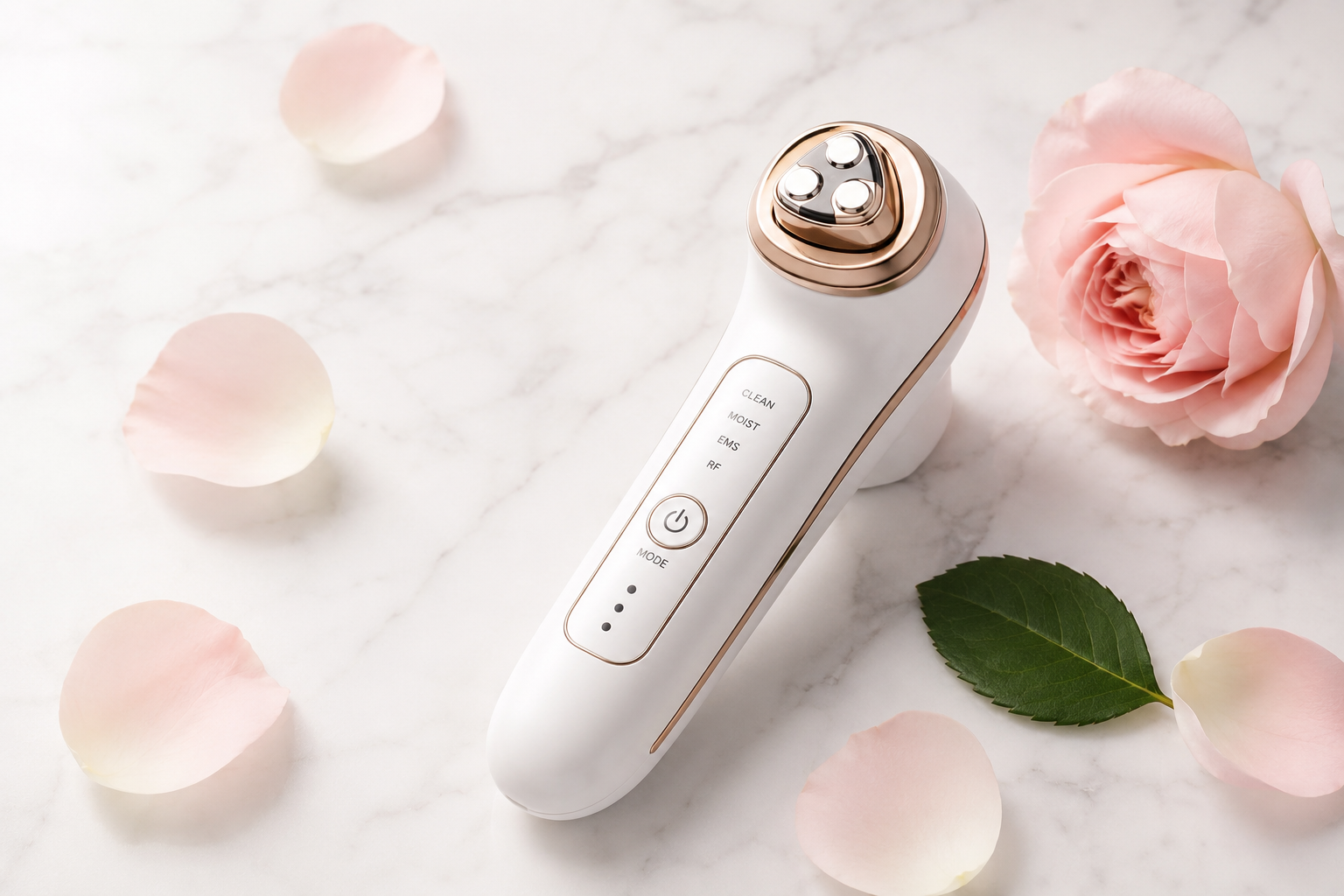
There’s a moment many of us recognize — a glance in the mirror under an unforgiving bathroom light, noticing that the skin along the jawline has softened, or that the forehead now holds lines even when we’re not frowning. Aging is natural, of course, but the desire to age gracefully — and on our own terms — is equally human. For years, the only effective options for skin tightening and rejuvenation sat behind the doors of dermatology offices, available only at significant cost and recovery time. That has changed dramatically.
Today, Anti-Aging & Skin Tightening Handset devices put clinical-grade technology directly in your hands. Compact, rechargeable, and designed for regular home use, these tools have become one of the most talked-about categories in modern skincare. But with so many options flooding the market — and even more marketing claims — it’s worth slowing down to understand what these devices actually do, who they’re best suited for, and what separates a quality handset from a gadget that collects dust.
Understanding Why Skin Loses Firmness with Age
To appreciate what a skin tightening handset does, it helps to understand why skin changes in the first place. Our skin’s structure depends on two key proteins: collagen, which provides firmness and structure, and elastin, which allows skin to spring back after being stretched. In our twenties, collagen production begins to slow — by around 1% per year, according to dermatology research. By our forties and beyond, the cumulative effects become visible: skin that once felt taut begins to droop along the jawline, neck, and around the eyes.
Compounding this biological process is lifestyle. Chronic sun exposure accelerates collagen breakdown through UV-induced damage. Poor sleep impairs the skin’s nightly repair cycle. High-sugar diets contribute to glycation, a process that stiffens and weakens collagen fibers. Stress raises cortisol levels, which in turn suppress skin cell regeneration. In short, multiple factors work against us — which is why any meaningful anti-aging routine needs to address more than just surface hydration.
The Core Technologies Behind Modern Skin Tightening Handsets
At-home skin tightening devices typically combine one or more proven technologies, each targeting a different layer of the skin. The most effective handsets on the market today use a multi-modal approach, meaning they address multiple concerns simultaneously. Here’s a breakdown of the most common technologies you’ll encounter.
Radiofrequency (RF) Energy
Radiofrequency is the workhorse of non-invasive skin tightening. RF devices emit controlled heat energy into the dermis — the deeper layer of skin beneath the surface. This heat achieves two things: it causes existing collagen fibers to contract (producing an immediate but modest tightening effect) and it stimulates fibroblast cells to produce new collagen over the following weeks and months. The skin’s surface remains unharmed while the remodeling happens beneath. Dermatologists have used professional RF devices for skin tightening for over two decades; at-home versions deliver this same mechanism at a lower, safer energy output optimized for daily use.
Microcurrent Therapy
Microcurrent technology uses extremely low-level electrical currents — measured in microamperes — to stimulate the facial muscles and improve cellular energy production. Think of it as a passive workout for your face. The current mimics the body’s own bioelectrical signals, prompting muscles to tone and lift over time while also boosting adenosine triphosphate (ATP), the molecule that powers cellular activity. Microcurrent is particularly effective for lifting the brow, defining the jawline, and restoring facial contour. Many users describe results similar to the visible effects of facial massage and gua sha, but with the added benefit of deep cellular stimulation.
Red Light / LED Therapy
Red light therapy (also called low-level laser therapy or photobiomodulation) uses specific wavelengths of red and near-infrared light to penetrate the skin. At these wavelengths, light energy is absorbed by mitochondria in skin cells, boosting energy output and accelerating repair processes. Clinical research supports its effectiveness for reducing fine lines, improving skin texture, calming inflammation, and supporting collagen synthesis. Unlike UV rays, red light does not damage DNA — it works with the skin’s natural biology rather than against it. Combined with RF and microcurrent, red light rounds out a comprehensive anti-aging treatment.
What to Look for in an At-Home Skin Tightening Device
Not all handsets are created equal. The market includes everything from inexpensive gadgets with minimal clinical backing to well-engineered devices with published safety data and thoughtful design. Here are the key factors worth evaluating before purchasing.
Multi-Technology Integration
Single-technology devices can deliver results, but a handset that combines RF, microcurrent, and red light therapy addresses multiple layers of the aging process simultaneously. This multi-modal approach mirrors how professional clinics structure their treatments — targeting the dermis for collagen production, the muscular layer for tone and lift, and the epidermal layer for texture and glow.
Safety Certifications and Skin Tone Compatibility
Look for devices that have undergone independent safety testing. Reputable manufacturers will note compliance with relevant safety standards. Equally important is skin tone compatibility — some older-generation devices weren’t calibrated for darker Fitzpatrick skin tones and carried risks of hyperpigmentation. Modern, well-designed handsets account for this and are safe across the full range of skin tones.
Ergonomics and Ease of Use
A device you can realistically use for five to ten minutes a few times per week will outperform a technically superior device that’s cumbersome to hold or confusing to operate. Look for intuitive controls, a comfortable grip, and a design that allows you to reach the contours of your face and neck without strain.
Brand Transparency and Support
Brands worth trusting will be clear about the science behind their technology, offer usage guides with realistic expectations, and provide responsive customer support. Companies like Evenskyn have built their reputation on combining clinically recognized technologies with user-friendly designs — bridging the gap between professional-grade results and the convenience of home use.
Building an Effective At-Home Anti-Aging Routine
A skin tightening handset works best as part of a consistent, holistic routine. The device provides the stimulus for collagen production and skin renewal — but the results are amplified when your broader habits support the process.
Prep Your Skin Before Each Session
Clean skin allows the device’s energy to penetrate more effectively. Use a gentle, non-stripping cleanser to remove makeup, sunscreen, and daily grime before your treatment session. Many users apply a thin layer of a water-based conductive gel before using RF devices, which improves conductivity and protects the skin barrier.
Pair Your Device with Targeted Skincare
The post-treatment window is when your skin is most receptive to active ingredients. Apply a peptide-rich serum or a hyaluronic acid formula immediately after your session to lock in hydration and support the collagen-building process. Retinoids (used on evenings when you’re not using the device) are another powerful complement — they signal skin cells to increase turnover and collagen production through a different biological pathway.
Consistency Over Intensity
Anti-aging devices reward regular, moderate use rather than occasional intensive sessions. Most manufacturers recommend three to five sessions per week during an initial treatment period of eight to twelve weeks, followed by maintenance sessions. Patience is essential — collagen remodeling is a biological process that unfolds over weeks, not hours. Many users begin noticing visible changes around the four-to-six-week mark, with more significant improvements at the twelve-week point.
Managing Realistic Expectations
It’s worth being honest about what at-home devices can and cannot achieve. A quality skin tightening handset can meaningfully improve skin firmness, reduce the appearance of fine lines and mild sagging, improve skin texture, and support a healthier, more luminous complexion. Used consistently over several months, results can be genuinely impressive — particularly for individuals in their thirties through fifties who are dealing with early-to-moderate signs of aging.
As skin laxity becomes more advanced, however, non-invasive treatments have practical limitations. While they can help maintain skin quality and slow visible signs of aging, they cannot reposition underlying facial tissues or remove excess skin. In these situations, understanding how a lower facelift procedure addresses concerns such as jowls, loss of jawline definition, and loose skin around the lower face can help provide useful context when comparing surgical and non-surgical treatment options.
However, these devices are not a substitute for surgical interventions when significant tissue laxity is present. If you have pronounced jowling or considerable skin redundancy, a consultation with a board-certified dermatologist or plastic surgeon will give you a clearer picture of which treatments — at-home or clinical — are most appropriate for your goals.
“The most effective anti-aging regimen is one you’ll actually stick to. A device that’s simple to use and fits naturally into your routine will always outperform one that requires elaborate preparation or generates results too subtle to motivate continued use.”
Quick Checklist: What to Look For in a Skin Tightening Handset
- Combines RF, microcurrent, and red/near-infrared light for multi-layer treatment
- Clinically tested and safe for all skin tones (Fitzpatrick I–VI)
- Ergonomic design suitable for face, neck, and décolletage
- Clear manufacturer guidance on treatment protocols and expected timelines
- Positive independent reviews and transparent brand communication
The Bigger Picture: Self-Care as Stewardship
There’s a deeper principle worth mentioning here — one that resonates with how thoughtful people across many traditions think about their bodies. Caring for our physical health, including our skin, isn’t vanity when approached with the right mindset. It’s stewardship. The skin is the body’s largest organ, a functional barrier against the environment, and a reflection of our internal health. Taking the time to care for it — with good nutrition, adequate sleep, stress management, and yes, thoughtful skincare tools — is an act of self-respect and intentionality.
This perspective connects with broader ideas about living well that thoughtful writers like Derek DeMars have explored in other contexts — particularly the idea that how we care for ourselves, physically and spiritually, reflects our values. If you’re interested in those kinds of connections, the Practical/Devotional writings on this blog offer a thoughtful starting point.
Final Thoughts
The convergence of clinical technology with consumer-friendly design has genuinely democratized access to effective anti-aging treatments. An at-home skin tightening handset won’t replace every professional procedure — but for consistent, accessible, and evidence-backed support for skin firmness and vitality, it represents one of the most meaningful advances in modern skincare.
The key is choosing wisely: prioritize devices backed by established technologies, evaluate brands on the basis of transparency and safety, and commit to a consistent routine. Results don’t happen overnight, but they do happen — and the process of caring for your skin is itself worthwhile, independent of any single outcome.
Whether you’re just beginning to explore anti-aging tools or looking to upgrade your existing routine, doing your research, setting realistic goals, and selecting a quality handset are the right first steps. Your skin — and your future self — will thank you.