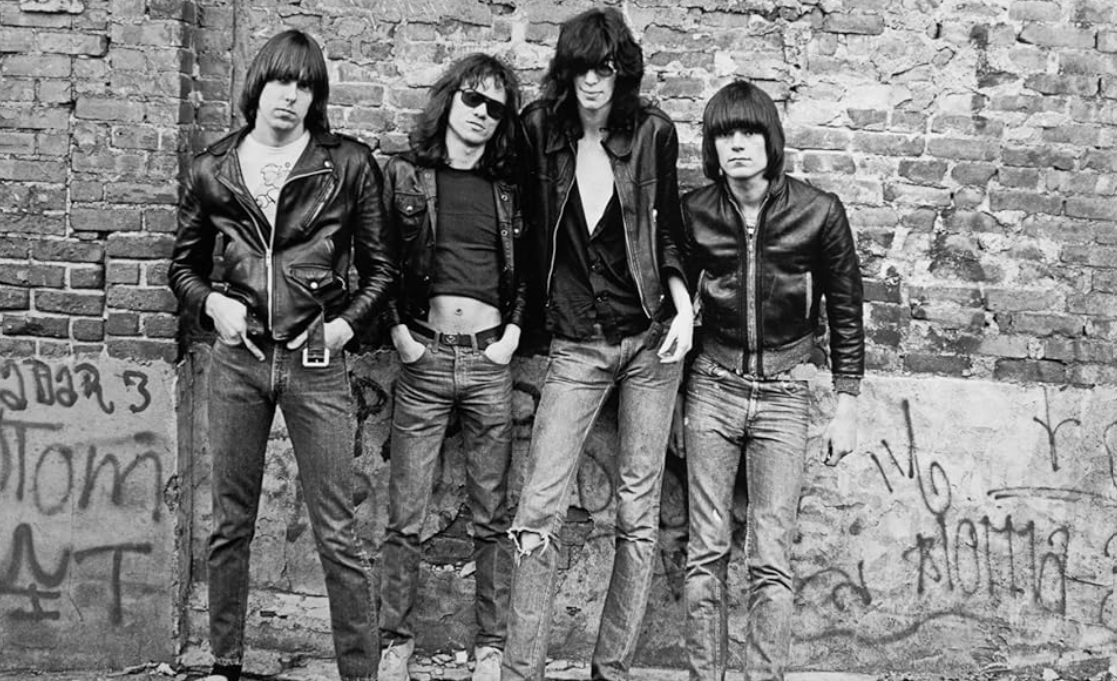
There is something wonderfully untameable about punk music. It arrived like a freight train in the mid-1970s, loud, fast, and furiously indifferent to musical convention. Decades later, it has never really left. Whether you are a lifelong devotee or a curious newcomer wondering what all the noise is about, building the perfect punk playlist is one of the most rewarding musical projects you can take on.
Punk is not simply a genre. It is an attitude, a philosophy, and a culture that has shaped generations of musicians, artists, and free thinkers across the globe. Understanding what makes a great punk track means understanding what punk stands for: energy, honesty, rebellion, and an absolute refusal to be ignored.
To build a playlist that truly captures the spirit of the genre, you need to start at the source. The best punk bands share a common thread regardless of era or geography: they wrote songs that felt urgent, immediate, and impossible to sit still to. From the Ramones rattling through two-minute anthems in New York to The Clash weaving reggae and politics into London street poetry, the blueprint was set early and it has never grown old.
Where to Begin: The Foundations of Any Great Punk Playlist
No serious punk playlist can begin without acknowledging the genre’s founding acts. These were the groups who defined the sound, the aesthetic, and the ethos that everything else would either follow or react against.
The Ramones are the natural starting point. Their 1976 debut album arrived fully formed, fourteen tracks in under thirty minutes, stripping rock and roll back to its most essential elements. Songs like Blitzkrieg Bop and I Wanna Be Sedated are not simply punk classics. They are benchmarks against which everything that followed has been measured.
The Sex Pistols, meanwhile, brought punk to Britain with theatrical fury. Never Mind the Bollocks remains one of the most viscerally exciting debut albums ever recorded. Alongside them, The Clash brought intelligence and eclecticism to the movement, proving that punk could absorb influences from across the musical spectrum without losing any of its edge.
Completing the classic foundation, bands like Wire, Buzzcocks, and Television showed that punk could be angular, melodic, and even tender, expanding what the genre was capable of without betraying its core values.
The Second Wave: Hardcore, Post-Punk, and the Genre’s Global Spread
By the early 1980s, punk had evolved into something faster, harder, and more politically charged. American hardcore acts like Black Flag, Minor Threat, and Dead Kennedys pushed the tempo to its limits whilst sharpening the lyrical focus on social and political critique. This was punk stripped of any remaining commercial ambition, music made with urgent sincerity for its own sake.
Any well-rounded punk playlist needs a healthy representation from this era. Henry Rollins roaring through a Black Flag set, Ian MacKaye’s straight-edge intensity on Minor Threat records, Jello Biafra skewering American politics with savage wit, these are essential listening experiences for anyone who wants to understand what punk became once it left its first flush of youth.
Across the Atlantic, the UK’s Oi! The movement gave punk a working-class, street-level identity that remains deeply influential. Sham 69, Cockney Rejects, and Angelic Upstarts brought a rawness and communal energy that resonated far beyond their immediate era. Meanwhile in Australia, The Saints and Radio Birdman had been doing their own thing long before punk had even been named in the UK, adding yet another dimension to the global story.
Punk Today: Modern Acts Keeping the Spirit Alive
One of the most enduring myths about punk is that its best days are behind it. The reality is rather different. Some of the most vital, exciting, and genuinely confrontational music being made today sits firmly within the punk tradition, even when it does not always use the label.
Bristol’s Idles have brought punk’s confrontational spirit into the mainstream conversation, tackling masculinity, grief, and political disillusionment with visceral directness. Amyl and the Sniffers from Melbourne have revived the raw, unpretentious energy of classic pub rock punk with a freshness that feels genuinely thrilling. Fontaines D.C. from Dublin brought literary ambition and post-punk atmosphere to critical acclaim, whilst METZ and Preoccupations carry the torch for noise-driven intensity.
According to Pitchfork’s ongoing coverage of punk and post-punk, the genre continues to evolve and attract new artists who find in it a framework for honest, unmediated expression. The infrastructure may look different in the streaming era, but the impulse that drives punk music has not changed at all.
How to Structure Your Ultimate Punk Playlist
A great playlist is more than a random collection of tracks. Here are a few principles worth keeping in mind when putting yours together:
• Open with energy. Start with something fast and immediately arresting. Blitzkrieg Bop, Anarchy in the U.K., or Rise Above by Black Flag all do the job.
• Move through eras. Jumping from 1977 to 1983 to 2019 keeps the listen dynamic and shows how the thread of punk runs through decades.
• Include variety within the genre. Mix melodic punk with hardcore, post-punk with Oi!, and classic with contemporary.
• End on something defiant. Punk playlists should leave the listener feeling energised and slightly restless. That is the whole point.
Punk Is Personal: Make It Your Own
Ultimately, the best punk playlist is the one that means something to you. There are no rules about which tracks must be included or which eras deserve the most attention. Punk, after all, was always suspicious of anyone who tried to tell you what to do.
What matters is that the music makes you feel something. Anger, exhilaration, solidarity, liberation, punk has always been about reaching past the surface of things and connecting with what is real. Dig into the genre with genuine curiosity, follow the threads that interest you, and do not stop at the obvious classics. The deeper you go, the richer the rewards.
The history of punk is the history of people who refused to be passive. Building a playlist in that spirit is its own small act of participation in something much larger than a simple collection of songs.