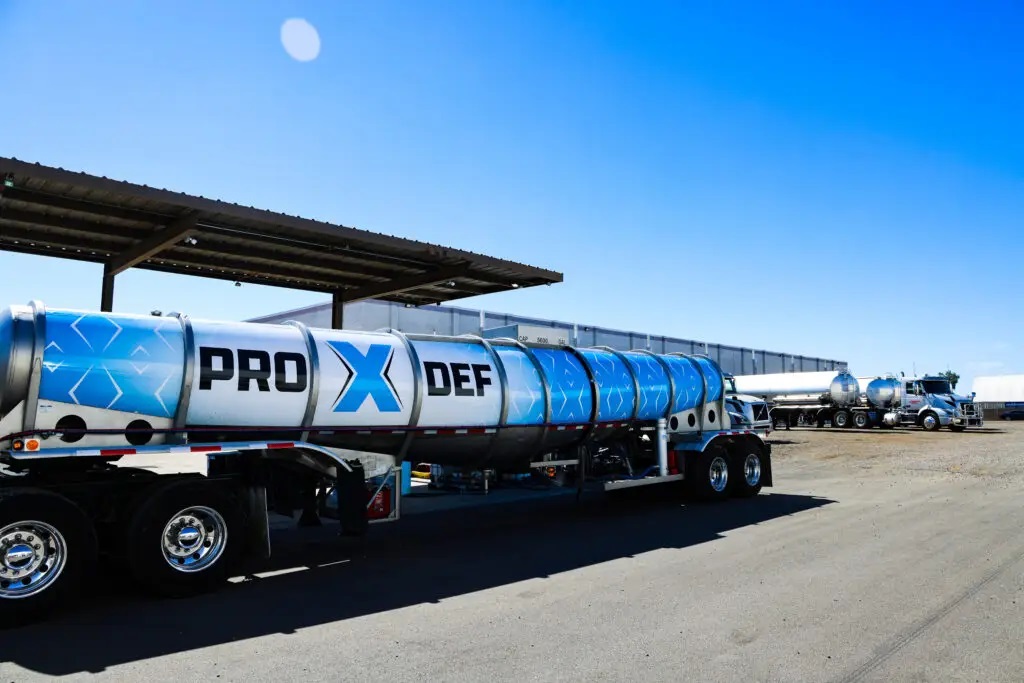
Modern industries depend on efficiency, consistency, and uninterrupted operations to remain competitive in an increasingly demanding market. Businesses operating diesel-powered fleets, heavy construction equipment, agricultural machinery, mining vehicles, generators, and industrial transport systems understand that maintaining equipment performance goes beyond regular servicing. One essential component that often determines operational continuity is Diesel Exhaust Fluid (DEF). As environmental regulations continue to evolve and diesel engines become more advanced, DEF has become a necessity rather than an option. Companies that consume significant quantities of DEF every month are increasingly recognizing the value of bulk DEF delivery as an efficient solution for maintaining a dependable supply while reducing operational challenges.
Organizations that rely on diesel-powered equipment cannot afford unexpected shortages or delays in DEF availability. Running out of DEF can reduce engine performance or even prevent modern diesel equipment from operating altogether because Selective Catalytic Reduction (SCR) systems require DEF to function properly. This reality has encouraged businesses to adopt more strategic inventory management practices. Instead of purchasing small containers repeatedly, many companies now prefer bulk DEF delivery because it provides greater convenience, better cost efficiency, and improved inventory control. This approach supports uninterrupted operations while helping organizations focus on productivity rather than constantly managing DEF procurement.
Understanding the Importance of Diesel Exhaust Fluid
Diesel Exhaust Fluid is a carefully formulated solution consisting of highly purified water and automotive-grade urea. Although it is not a fuel additive and never mixes directly with diesel fuel, it plays a critical role in reducing harmful nitrogen oxide emissions produced during diesel combustion. Modern SCR technology injects DEF into the exhaust stream, where it undergoes a chemical reaction that converts harmful emissions into harmless nitrogen and water vapor. This process enables diesel engines to comply with increasingly strict environmental standards while maintaining engine efficiency.
The widespread adoption of SCR systems across commercial vehicles and industrial machinery has made DEF an indispensable operating requirement. Businesses managing multiple diesel-powered assets often experience significant DEF consumption, especially when equipment operates continuously or under demanding workloads. Maintaining a reliable inventory therefore becomes an essential part of operational planning rather than an occasional purchasing decision.
Organizations that underestimate DEF requirements frequently encounter unnecessary downtime, emergency purchases, and increased operating costs. A structured supply strategy eliminates these risks while ensuring that equipment remains compliant with environmental regulations and continues operating at peak efficiency.
Why Businesses Are Moving Toward Bulk Supply Solutions. However, organizations operating larger fleets quickly discover that these methods create logistical complications. Employees spend valuable time handling containers, monitoring inventory manually,
Traditional purchasing methods involving small containers or intermediate-sized totes may work for businesses with limited DEF usage. However, organizations operating larger fleets quickly discover that these methods create logistical complications. Employees spend valuable time handling containers, monitoring inventory manually, disposing of empty packaging, and coordinating frequent purchases.
A bulk supply system simplifies these responsibilities considerably. Instead of relying on numerous small deliveries, businesses receive DEF directly into properly designed storage tanks. This allows inventory to remain available whenever equipment requires replenishment. Storage systems often include monitoring technologies that help businesses track usage patterns and schedule replenishment before inventory reaches critical levels.
The transition to bulk DEF delivery also improves workplace organization by reducing clutter associated with storing multiple containers. Cleaner storage environments contribute to better safety standards while minimizing the risk of contamination that could affect DEF quality.
Operational Efficiency Through Consistent Inventory Management
Efficient inventory management is one of the most valuable benefits of implementing a bulk DEF supply strategy. Businesses with predictable consumption rates can develop replenishment schedules that align with operational demands rather than reacting to shortages. Planned deliveries reduce administrative workload while improving purchasing consistency.
Inventory planning becomes especially important for industries experiencing seasonal fluctuations. Agricultural operations, construction projects, transportation companies, and mining facilities often encounter periods of increased equipment utilization. During these busy periods, DEF consumption may rise significantly, making dependable inventory management essential.
Bulk storage allows organizations to prepare for high-demand periods well in advance. Instead of worrying about repeated purchases during peak activity, managers can concentrate on production goals while maintaining confidence that DEF supplies remain readily available.
Cost Advantages of Purchasing DEF in Bulk
Financial efficiency remains one of the strongest motivations for businesses adopting bulk purchasing strategies. Purchasing DEF in larger quantities generally reduces packaging expenses, transportation costs, and administrative processing associated with multiple individual orders. Over time, these savings can become substantial, particularly for organizations consuming thousands of gallons annually.
Bulk purchasing also reduces labor expenses. Employees no longer spend considerable time moving containers, opening packaging, transferring DEF into equipment, or disposing of empty containers. These labor savings allow personnel to focus on higher-value operational responsibilities.
Another important financial advantage involves minimizing emergency procurement. Unexpected shortages often require expedited deliveries, which may involve additional transportation costs or premium pricing. A properly managed bulk inventory system helps eliminate these unnecessary expenses through proactive replenishment planning.
Supporting Environmental Responsibility
Environmental sustainability has become an important consideration across nearly every industry. Businesses are expected to minimize waste while improving resource efficiency throughout their operations. Bulk DEF storage contributes to these objectives by significantly reducing plastic packaging waste associated with smaller containers.
Fewer individual shipments also decrease transportation frequency, reducing fuel consumption related to logistics. Consolidated deliveries support broader sustainability initiatives while improving supply chain efficiency.
Because DEF itself contributes to reducing nitrogen oxide emissions through SCR technology, maintaining a consistent supply helps organizations continue operating within applicable emissions standards. Businesses that prioritize reliable DEF availability demonstrate both regulatory compliance and environmental responsibility.
Storage Quality Makes a Significant Difference
Although DEF is relatively simple in composition, maintaining product quality requires proper storage practices. Exposure to contamination, excessive temperatures, or unsuitable containers may reduce product effectiveness. Businesses investing in bulk storage systems should ensure tanks meet industry specifications and are designed specifically for DEF.
Storage areas should remain clean, protected from contaminants, and maintained according to manufacturer recommendations. Proper dispensing equipment helps preserve DEF purity while preventing accidental contamination from incompatible materials.
Routine inspections of storage tanks, pumps, hoses, and dispensing equipment further support product quality. Preventive maintenance minimizes equipment failures while ensuring employees always receive uncontaminated DEF during refueling operations.
Technology Is Transforming DEF Supply Management
Digital technology has introduced significant improvements to inventory management across industrial supply chains. Many organizations now utilize electronic monitoring systems capable of tracking DEF tank levels in real time. Automated monitoring reduces manual inspections while providing accurate inventory visibility.
Advanced systems may generate automatic alerts when inventory reaches predefined thresholds. Some suppliers integrate monitoring directly with replenishment scheduling, ensuring deliveries occur before shortages develop. This automation reduces administrative responsibilities while improving operational reliability.
Historical consumption data also enables businesses to analyze usage trends, forecast seasonal demand, and optimize purchasing decisions. Data-driven inventory management contributes to long-term operational efficiency while minimizing unnecessary inventory carrying costs.
Industries That Benefit Most from Bulk DEF Supply
Many industries consume substantial quantities of Diesel Exhaust Fluid every day. Commercial transportation companies represent one of the largest user groups because long-haul trucks, delivery vehicles, and logistics fleets depend heavily on SCR-equipped diesel engines.
Construction companies operating excavators, bulldozers, loaders, cranes, and other heavy equipment also benefit significantly from dependable DEF inventories. Downtime resulting from insufficient DEF can delay projects, increase labor costs, and affect contractual timelines.
Agricultural businesses rely on tractors, combines, sprayers, and harvesters throughout demanding seasonal operations where equipment availability directly influences productivity. Maintaining adequate DEF inventory supports uninterrupted field operations during critical planting and harvesting periods.
Mining operations, manufacturing facilities, municipal service providers, utility companies, marine operators, and emergency backup power facilities similarly depend upon reliable DEF availability to support continuous operations across diverse environments.
Improving Workplace Safety and Organization
Replacing numerous small containers with centralized storage improves workplace organization considerably. Employees spend less time lifting heavy containers, reducing physical strain and minimizing injury risks associated with repetitive material handling.
Centralized dispensing stations create more organized work environments while simplifying inventory control. Clearly designated storage areas also reduce spill risks and improve housekeeping standards across maintenance facilities.
Proper employee training remains equally important. Staff responsible for DEF handling should understand correct dispensing procedures, contamination prevention practices, and storage requirements. Consistent training protects product quality while supporting safe operational practices.
Choosing the Right Supply Strategy
Every organization has unique operational requirements, making it important to evaluate DEF consumption carefully before selecting a supply approach. Factors such as equipment size, operating hours, seasonal demand, available storage space, and projected business growth all influence inventory planning decisions.
Businesses should regularly review consumption patterns and adjust storage capacity when operational requirements change. Expanding fleets or increasing equipment utilization may justify larger storage systems capable of supporting higher inventory volumes.
Reliable supplier relationships also contribute significantly to long-term success. Consistent communication, dependable scheduling, responsive customer service, and product quality assurance help ensure uninterrupted operations throughout the year.
Planning for Future Growth
As industries continue modernizing equipment and environmental standards become increasingly stringent, DEF demand will likely continue growing. Businesses that establish scalable inventory systems today position themselves for future expansion without requiring major operational changes later.
Planning ahead allows organizations to integrate larger storage systems, enhanced monitoring technologies, and improved dispensing infrastructure as operational needs evolve. Long-term planning reduces future disruptions while supporting sustainable business growth.
Companies that embrace bulk DEF delivery early often experience smoother operational transitions because inventory management becomes integrated into broader maintenance and procurement strategies. This proactive approach supports efficiency while reducing uncertainty associated with supply interruptions.
BuildingReliability is a defining characteristic of successful industrial operations. Every component supporting production, transportation, construction, agriculture, or logistics must function consistently to achieve organizational objectives. DEF availability represents one small but essential element Long-Term Operational Reliability
Reliability is a defining characteristic of successful industrial operations. Every component supporting production, transportation, construction, agriculture, or logistics must function consistently to achieve organizational objectives. DEF availability represents one small but essential element within this larger operational framework.
Developing standardized procedures for monitoring inventory, scheduling replenishment, maintaining storage systems, and training employees strengthens operational resilience. Organizations that consistently evaluate and improve these processes are better prepared to respond to changing market conditions, expanding equipment fleets, and evolving environmental regulations.
A dependable DEF management strategy ultimately contributes to improved productivity, lower operating costs, enhanced environmental performance, and stronger overall business continuity.
Conclusion
Modern diesel-powered operations depend on careful planning, efficient inventory management, and uninterrupted access to essential operating resources. Diesel Exhaust Fluid has become a critical requirement for maintaining compliance with emissions standards while supporting the reliable performance of SCR-equipped engines. Businesses consuming significant quantities of DEF benefit from structured inventory systems that reduce administrative workload, improve workplace organization, lower long-term operating costs, and minimize unnecessary downtime.
Implementing bulk DEF delivery provides organizations with a practical solution for maintaining consistent product availability while simplifying procurement processes. Combined with proper storage practices, advanced inventory monitoring, and proactive planning, bulk supply systems enable businesses to focus on operational excellence rather than worrying about recurring DEF shortages. As industrial operations continue evolving and environmental expectations become more demanding, organizations that invest in efficient DEF supply management will remain well positioned for sustainable growth, improved productivity, and long-term operational success.