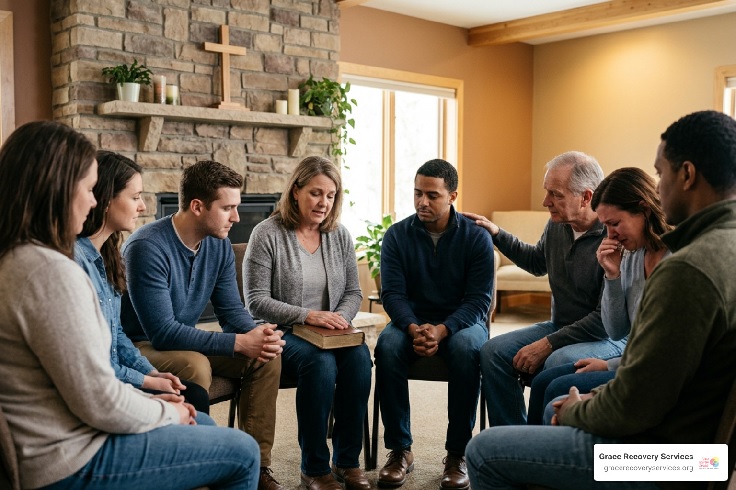
Many people of faith hesitate to seek treatment for addiction or mental illness. Some worry a therapist will dismiss their beliefs, and some have been told that prayer should be enough. Faith and clinical care can work side by side, and for many believers the combination gives recovery a stronger foundation.
Addiction and Mental Illness as Health Conditions
Depression and substance use disorders involve changes in brain chemistry and stress response. Scripture and church tradition offer comfort and community during suffering, and medicine offers tools to treat the illness behind it. Christians have long accepted surgery for a broken leg and insulin for diabetes. Treatment for the mind and brain belongs in the same category.
Pastors often see this firsthand. A church member may come in asking for prayer about drinking and leave with a referral to a counselor. Faith leaders who know the local treatment options can make that handoff faster. A short list of licensed counselors and programs that welcome clients of faith lets a pastor move from prayer to a phone call in the same meeting.
Why Co-Occurring Conditions Need Integrated Care
Addiction and mental illness frequently show up together. According to the National Institute on Drug Abuse, 35% of U.S. adults with another mental disorder also have a substance use disorder. NIDA also reports that integrated treatment, which addresses both conditions at the same time, leads to better health outcomes.
In plain terms, a person who drinks to cope with depression will struggle to stay sober if the depression goes untreated. Treating one condition and ignoring the other tends to send people back to the start.
Where Faith Fits in the Treatment Plan
Faith can support recovery in several ways. Many people draw strength from prayer and Scripture during cravings or dark moods. A church community can provide accountability and practical help after discharge. Twelve-step programs grew out of a spiritual framework, and many Christians find their language of surrender and a Higher Power familiar.
A clinical team can respect those beliefs and build them into care. That might mean access to a chaplain or a therapist who is comfortable discussing spiritual questions in session.
What to Look for in a Faith-Friendly Program
Some programs that call themselves Christian offer little clinical care, so check the details. When you evaluate a program, ask these questions:
- Are the therapists licensed, and do they use evidence-based methods like cognitive behavioral therapy?
- Does the program diagnose and treat mental health conditions on site?
- Is medication available when a doctor recommends it?
- How does the program include faith for patients who want it?
Families researching dual diagnosis treatment centers in Florida will find a range of options, from secular programs to faith-based ones. Oasis Recovery Center is one example of a program that treats co-occurring conditions, and it is worth asking any program you consider how it supports patients who want faith to be part of their recovery.
Frequently Asked Questions
Will a secular therapist respect my faith?
Most licensed therapists are trained to respect a client’s values and beliefs. Tell them early that faith matters to you and ask how they approach it.
Is taking medication a lack of faith?
Many pastors and Christian doctors see medication as one of the ways God provides healing. Talk it through with both your doctor and a trusted pastor.
Bring Your Pastor Into the Conversation
If you or someone in your congregation is struggling, set up a meeting with a pastor and a licensed clinician. Ask the pastor to help with spiritual support and accountability, and let the clinician lead on diagnosis and treatment.