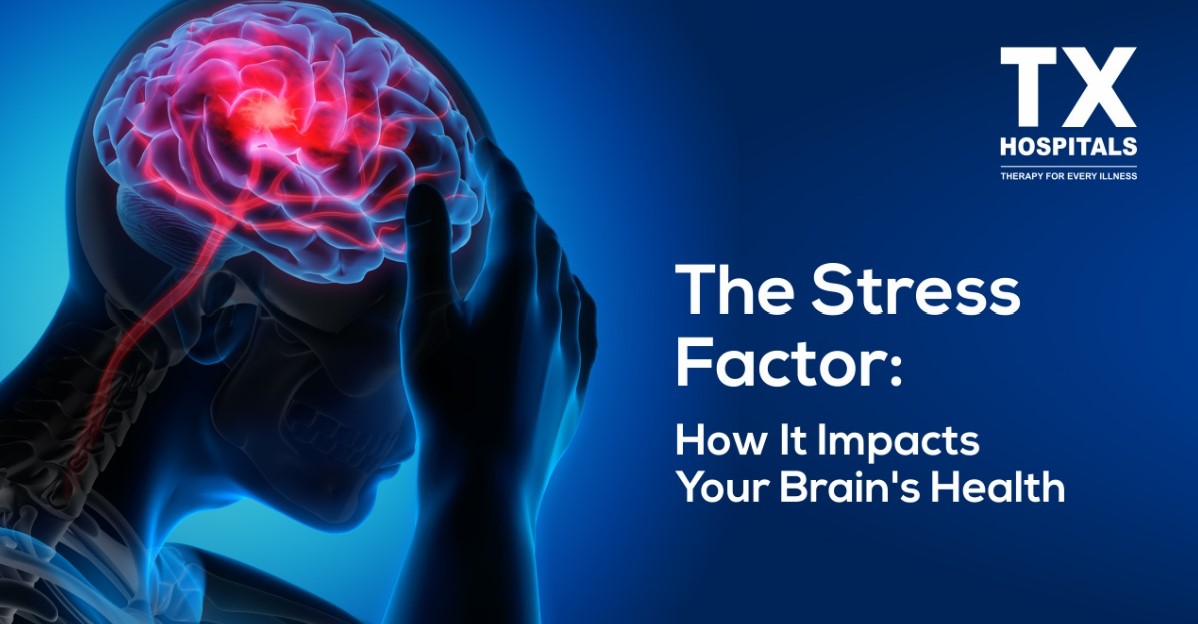
Stress is a normal part of life. A deadline, a tough conversation, or a traffic jam can all set off a quick burst of tension that fades once the moment passes. That short-term response is actually useful. It sharpens focus and gives the body energy to deal with a challenge. The trouble starts when stress does not switch off. When pressure stays high for weeks, months, or years, it can begin to affect both physical and mental health in ways people do not always notice right away.
When Stress Stops Being Temporary
Chronic stress often builds slowly. Money worries, caregiving, job insecurity, relationship strain, or ongoing health problems can keep the body on alert long after any single event has ended. Over time, many people find that constant pressure blends into low mood, poor sleep, and a loss of interest in things they used to enjoy. For some, that overlap is part of why they eventually look for help, whether through a primary care doctor, a counselor, or treatment for depression in Los Angeles or wherever they happen to live.
Stress and depression are not the same thing, but they are closely linked. Long-term stress can wear down the emotional resources people rely on to cope, which is one reason it deserves attention before it piles up.
What Happens in the Body Under Stress
When the brain senses a threat, it signals the body to release stress hormones such as adrenaline and cortisol. Heart rate rises, breathing speeds up, and muscles tense. Digestion slows so energy can go elsewhere. This is often called the fight-or-flight response.
In short bursts, this system works well. When it stays switched on, though, the body does not get the chance to recover. According to the American Psychological Association, chronic stress can affect nearly every system in the body, including the heart, the digestive system, the immune system, and the muscles. People under long-term stress often report tension headaches, stomach problems, and feeling run down.
Common Physical Signs
Some of the ways chronic stress can show up physically include:
- Frequent headaches or muscle tension, especially in the neck and shoulders
- Trouble falling or staying asleep
- Upset stomach or changes in appetite
- Getting sick more often
- Feeling tired even after rest
These signs can have many causes, so they are worth discussing with a doctor. Still, stress is often part of the picture.
How Stress Affects the Brain
The brain is at the center of the stress response, and it is also shaped by it. Researchers have found that ongoing stress can influence areas of the brain involved in memory, emotional control, and decision-making.
Memory and Focus
Many people under chronic stress notice they forget things more easily or have trouble concentrating. It can feel like the mind is always busy but not getting much done. This is a common experience and often improves when stress levels come down.
Emotional Balance
Stress can make emotions feel closer to the surface. Small annoyances may feel bigger, and it can be harder to calm down after being upset. Over time, this can contribute to irritability, anxiety, and low mood.
Habits and Coping
When the brain is worn down by stress, people often reach for quick relief. That might mean more caffeine, alcohol, comfort food, or screen time. These habits can feel helpful in the moment but may add to the problem later on.
Who Is Most Affected
Anyone can experience chronic stress, but some situations make it more likely. People who care for a family member, work long or unpredictable hours, face financial pressure, or live with ongoing health conditions often carry heavier loads. Major life changes like a move, divorce, or loss can also keep stress levels high for a long stretch.
It is also worth remembering that stress looks different from person to person. Some people become withdrawn, while others seem busier than ever. Neither reaction means someone is handling things well or poorly. It simply means the body and mind are responding to pressure.
Practical Ways to Lower the Load
There is no single fix for chronic stress, but small, steady changes can help the body return to a calmer baseline. Some approaches people find useful include:
- Regular movement. Walking, stretching, or any activity that feels manageable can help release tension.
- Consistent sleep routines. Going to bed and waking at similar times supports recovery.
- Time with supportive people. Talking with someone who listens can ease the sense of carrying everything alone.
- Breathing and relaxation practices. Slow breathing, meditation, or gentle yoga can help calm the stress response.
- Setting limits. Saying no to extra commitments, when possible, protects energy.
- Cutting back on alcohol and caffeine. Both can affect sleep and mood.
None of these need to be perfect. Even a few minutes a day can add up.
Knowing When to Reach Out
Self-care helps, but it is not always enough. If stress is making it hard to work, sleep, eat, or enjoy life, or if low mood lasts more than a couple of weeks, it may be time to talk with a professional. Therapists can help people understand what is driving their stress and build practical tools to manage it. A doctor can also check for physical issues that may be adding to how someone feels.
Reaching out is not a sign of weakness. It is a practical step, much like seeing a doctor for a lingering cough.
Easing the Load Before It Builds
Chronic stress does not usually announce itself. It creeps in through busy schedules, unresolved worries, and the feeling that there is never time to rest. Paying attention to the early signs, such as poor sleep, constant tension, and shorter patience, gives people a chance to respond before stress takes a bigger toll.
The body and brain are remarkably adaptable. With rest, support, and the right help when needed, many people find they can bring their stress back to a level that feels manageable. Taking small steps now can make a meaningful difference in how someone feels over the months and years ahead.