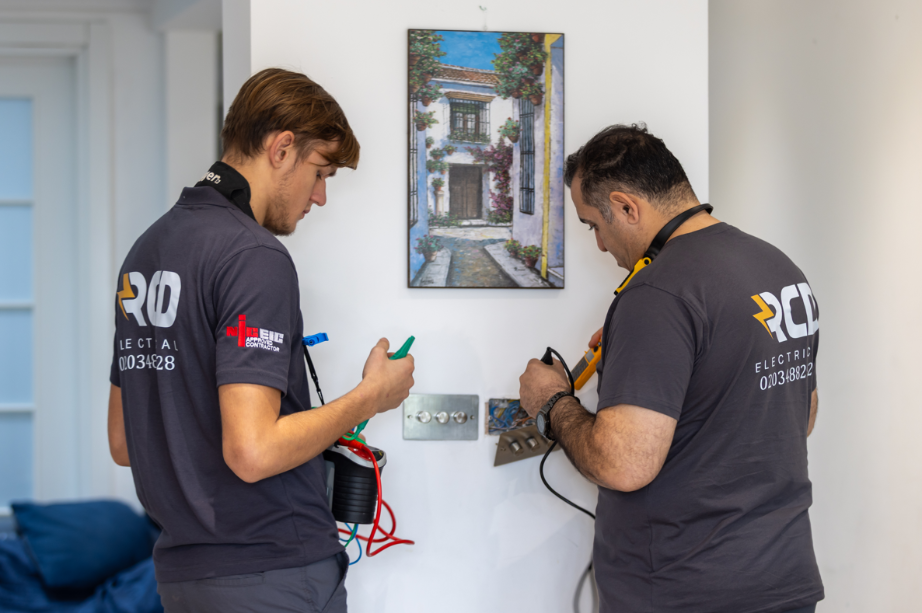
Electrical safety in shared residential buildings has become a growing concern across London, particularly as more property owners, freeholders, and managing agents face tighter compliance standards in 2026. While many landlords focus on the electrics inside individual flats, communal areas are often overlooked until a serious issue arises. Corridors, stairwells, plant rooms, emergency Lighting Control systems, meter cupboards, and shared distribution boards all form part of a building’s electrical infrastructure and all carry legal and safety responsibilities.
In older London properties, especially converted Victorian houses and mixed-use developments, communal electrical systems are frequently ageing, overloaded, or poorly maintained. The result can be anything from nuisance power failures to dangerous fire risks. This is why communal area EICRs are now considered one of the most important aspects of residential building management.
Whether you are a freeholder, residents’ management company, housing association, or block management firm, arranging regular inspections through a qualified Electrician in London is essential for ensuring compliance, protecting residents, and reducing liability.
What Is a Communal Area EICR?
An Electrical Installation Condition Report (EICR) for communal areas is an inspection specifically focused on the shared electrical systems within a residential building. Unlike domestic EICRs for individual flats, communal inspections assess the electrical infrastructure used collectively by residents and visitors.
This usually includes:
Hallway and corridor lighting
Emergency lighting systems
Fire alarm power supplies
Consumer units and distribution boards
Meter rooms and intake cupboards
Stairwell lighting
Electric gates or access systems
Car park electrical systems
Plant rooms and ventilation equipment
Outdoor lighting
The inspection aims to identify deterioration, unsafe installations, fire hazards, overloaded circuits, and non-compliance with current wiring regulations.
Following the inspection, the electrician issues a report outlining observations and recommendations using standard classification codes such as C1, C2, C3, or FI.
Why Communal Electrical Safety Matters More in London
London’s residential property landscape creates unique electrical challenges that are not always found elsewhere in the UK. A large percentage of apartment buildings and converted homes were built decades ago, long before modern electrical demand existed.
Today, communal systems are expected to support:
LED lighting upgrades
CCTV systems
Door entry systems
Electric vehicle charging infrastructure
Fire safety systems
Smart security equipment
Automated gates and access controls
Many buildings simply were not designed for this level of demand. Over time, temporary additions and piecemeal upgrades can create overloaded circuits, poor cable management, and unsafe installations.
In densely populated buildings, electrical faults in communal areas can affect dozens of residents simultaneously. A single fault in a distribution board or emergency lighting circuit could compromise evacuation safety during an emergency.
This is one reason London councils and insurers are placing greater emphasis on communal area compliance in 2026.
Legal Responsibilities for Freeholders and Managing Agents
One of the most common misconceptions is that communal electrical safety falls into a legal grey area. In reality, property owners and managing agents have clear obligations under several UK regulations.
These include:
The Electricity at Work Regulations 1989
The Health and Safety at Work Act 1974
Housing Health and Safety Rating System (HHSRS)
Regulatory Reform (Fire Safety) Order 2005
Under these laws, duty holders must ensure electrical systems are maintained in a safe condition and do not present danger to residents, contractors, or visitors.
If a fire or injury occurs due to neglected communal electrics, managing parties may face:
Legal claims
Enforcement action
Insurance complications
Significant financial penalties
Reputational damage
In serious cases involving negligence, criminal liability may also apply.
How Often Should Communal Area EICRs Be Carried Out?
There is no single universal timeframe that applies to every residential building. However, for most communal electrical systems, inspections are typically recommended every five years.
More frequent inspections may be necessary for:
Older buildings
High-occupancy developments
HMOs and student accommodation
Buildings with commercial units
Properties with extensive communal systems
Locations with previous electrical faults
If previous reports identified concerns or deterioration, electricians may recommend shorter inspection intervals.
Routine maintenance inspections between formal EICRs are also strongly advised, especially in larger apartment blocks.
Common Problems Found During Communal Area Inspections
Communal area EICRs in London frequently uncover issues that building managers were previously unaware of. Because much of the infrastructure is hidden behind cupboards, ceiling voids, or service risers, faults can remain unnoticed for years.
Some of the most common issues include:
Outdated Distribution Boards
Older communal fuse boards often lack modern RCD protection and may not meet current safety standards.
Poor Emergency Lighting Maintenance
Emergency lighting systems are critical during evacuations, yet many buildings have inadequate testing records or faulty backup units.
Unsafe Temporary Wiring
Over the years, temporary installations for CCTV, broadband equipment, or maintenance works may have been poorly integrated into existing systems.
Overloaded Circuits
Communal systems are now powering more devices than originally intended, increasing the risk of overheating and electrical fires.
Deteriorated Cabling
Ageing insulation and damaged cables are particularly common in older London conversions.
Inadequate Fire Stopping
Electrical penetrations between walls and ceilings may compromise fire compartmentation if not properly sealed.
Fire Safety and Electrical Risks in Shared Buildings
Electrical faults remain one of the leading causes of fires in residential buildings across the UK.
In shared buildings, the risks are amplified because faults in communal systems can affect multiple households simultaneously.
Poorly maintained electrics may contribute to:
Smoke spread through communal corridors
Emergency lighting failures
Fire alarm malfunction
Loss of escape route visibility
Power failures affecting fire safety systems
Following several high-profile building safety incidents in recent years, fire risk management and electrical compliance are now more closely connected than ever before.
A properly conducted communal EICR helps identify hidden risks before they escalate into serious incidents.
The Importance of Emergency Lighting Testing
Emergency lighting is often one of the most overlooked elements within communal electrical systems. Yet during a power failure or fire, it becomes essential for safe evacuation.
Emergency lighting systems should be regularly inspected and tested to ensure:
Backup batteries function correctly
Escape routes remain illuminated
Exit signage operates properly
Lighting duration meets regulations
Many London residential buildings fail inspections simply because emergency lighting maintenance has been neglected over time.
Combining emergency lighting checks with regular EICR inspections helps ensure full compliance and improves overall resident safety.
Insurance Implications of Poor Electrical Maintenance
Building insurers increasingly expect evidence of proper electrical maintenance in communal areas. If a fire or electrical incident occurs and no valid inspection records exist, insurers may question whether adequate precautions were taken.
This can lead to:
Delayed claims
Reduced payouts
Increased premiums
Policy disputes
For managing agents and freeholders, maintaining accurate inspection records is essential not only for compliance but also for demonstrating responsible building management.
Why Older London Buildings Require Extra Attention
Many London apartment blocks and converted houses contain electrical systems installed decades ago. Even where upgrades have taken place, they may have been carried out in stages over many years by different contractors.
This often creates inconsistent installations and hidden compliance issues.
Common challenges include:
Limited cable access
Mixed generations of wiring
Insufficient capacity for modern usage
Historic alterations without certification
Shared systems between flats
Buildings converted into flats during the 1980s and 1990s are particularly prone to electrical shortcomings because many were adapted quickly without anticipating future demand.
Regular inspections help uncover these hidden weaknesses before they become dangerous.
Tenant Expectations and Building Reputation
Residents today are far more aware of safety standards than in the past. Electrical problems in communal areas — such as flickering lights, faulty entry systems, or repeated power failures — can quickly damage resident confidence.
In competitive London property markets, professionally maintained communal spaces contribute significantly to:
Resident satisfaction
Tenant retention
Property value
Building reputation
Easier property management
Modern tenants increasingly expect buildings to demonstrate visible compliance and proactive maintenance practices.
What Happens If Defects Are Found?
If dangerous faults are identified during an EICR, remedial work must be completed promptly. Serious issues classified as C1 or C2 require urgent attention to ensure the building remains safe.
Typical remedial work may include:
Consumer unit replacements
Circuit rewiring
Emergency lighting upgrades
Earthing and bonding improvements
Replacement of damaged cables
Fire safety improvements around electrical penetrations
After repairs are completed, electricians issue confirmation that the installation now meets acceptable safety standards.
Delaying remedial work may increase legal exposure if accidents occur later.
Choosing the Right Electrical Contractor
Communal area inspections require experience beyond standard domestic electrical work. Shared residential buildings often involve complex infrastructure, access coordination, and compliance considerations.
When selecting an electrical contractor, building managers should look for:
NICEIC or NAPIT registration
Experience with communal systems
Knowledge of London residential buildings
Public liability insurance
Clear reporting processes
Transparent remedial pricing
Working with specialists familiar with apartment blocks and communal infrastructure helps ensure inspections are thorough and practical.
The Future of Electrical Compliance in London
As London continues modernising its housing stock, communal electrical systems will face increasing pressure. Electric vehicle charging, smart technology integration, energy efficiency upgrades, and evolving fire safety standards are all adding complexity to residential buildings.
This means communal area EICRs are likely to become even more important over the coming years.
Forward-thinking freeholders and managing agents are already adopting preventative maintenance strategies rather than reacting only when faults occur.
Proactive inspections reduce long-term costs, improve resident safety, and help buildings adapt to future regulatory changes more effectively.
Final Thoughts
Communal electrical safety is no longer an area that residential building owners and managing agents can afford to overlook. In London’s increasingly regulated property environment, regular communal area EICRs play a critical role in protecting residents, maintaining compliance, and reducing risk.
From emergency lighting and distribution boards to fire safety systems and shared wiring infrastructure, communal electrics form the backbone of safe residential living. Without proper inspection and maintenance, hidden faults can escalate into costly and dangerous problems.
By investing in professional inspections, timely remedial work, and ongoing maintenance, property managers not only meet their legal obligations but also create safer, more reliable environments for everyone living within the building.