A roof is one of the most important structural components of any building because it protects the interior from weather conditions, moisture, and environmental damage. Among the different roofing styles available, flat roofs are widely used for residential, commercial, and industrial properties due to their practical design and efficient use of space. However, like all roofing systems, flat roofs experience wear and deterioration over time. Exposure to sunlight, rain, temperature changes, and regular weather conditions can gradually reduce their performance.
When repairs become frequent or the roof reaches the end of its service life, replacing the entire system may be the most effective solution. A professional flat roof replacement can restore protection, improve energy efficiency, and provide a more reliable roofing structure for many years. Instead of repeatedly fixing small issues, a complete replacement addresses underlying problems and creates a stronger foundation for future performance.
Many property owners consider a replacement when they notice leaks, damaged materials, poor drainage, or visible aging signs. Investing in a properly installed roofing system can help prevent costly interior damage and maintain the overall value of a property.
Understanding Flat Roof Systems and Their Importance
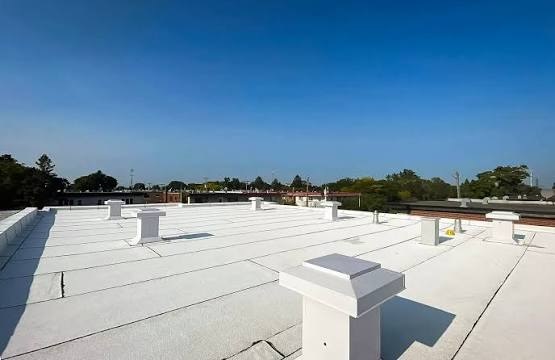
Flat roofs are designed with a low slope that allows them to provide a practical and space-efficient roofing solution. Although they appear completely level, most flat roofing systems include a slight incline to encourage water drainage. They are commonly used on modern buildings because they offer a clean appearance and can provide additional usable space for equipment, solar panels, or rooftop features.
A flat roof consists of multiple layers that work together to protect the building. These layers may include insulation, waterproof membranes, protective coatings, and structural materials. Each component plays an important role in preventing moisture penetration and maintaining indoor comfort.
Over time, these layers can become damaged due to constant exposure to outdoor conditions. Cracks, weakened membranes, and drainage problems can reduce the roof’s ability to protect the building. When deterioration becomes extensive, a complete flat roof replacement is often a more reliable option than continuous repairs.
Signs That a Flat Roof May Need Replacement
Recognizing the warning signs of roof failure helps property owners take action before serious damage occurs. One of the most common indicators is repeated water leakage. Occasional repairs may temporarily solve the issue, but recurring leaks often suggest deeper problems within the roofing system.
Visible cracks, blisters, or damaged areas on the roof surface are also signs of deterioration. These issues can allow moisture to enter the structure and may worsen if they are not addressed. A professional inspection can determine whether repairs are sufficient or whether replacement is necessary.
Pooling water is another concern with flat roofs. Because these roofs have minimal slope, proper drainage is essential. Standing water can weaken roofing materials, increase pressure on the structure, and accelerate damage over time.
Aging is another major factor. Even high-quality roofing systems have a limited lifespan. As materials become older, they may lose flexibility, strength, and resistance to environmental conditions. Replacing an outdated roof can prevent unexpected failures and improve overall protection.
Benefits of Flat Roof Replacement
One of the biggest advantages of replacing an old flat roof is improved durability. A new roofing system uses modern materials designed to withstand weather exposure and provide long-term protection. This reduces the likelihood of frequent repairs and unexpected damage.
Improved energy efficiency is another important benefit. Modern roofing systems often include improved insulation options that help regulate indoor temperatures. Better insulation can reduce heat transfer and create a more comfortable indoor environment.
A new roof can also improve the appearance of a property. Damaged or aging roofing materials can make a building look neglected, while a professionally installed replacement creates a cleaner and more maintained appearance.
Replacing an old roof also provides an opportunity to upgrade materials and technology. Property owners can choose advanced waterproofing systems, reflective coatings, and energy-efficient solutions that improve performance.
Another major benefit is increased property value. A well-maintained roof is an attractive feature for potential buyers because it reduces concerns about future repair expenses. A new roofing system demonstrates that the property has received proper care.
Common Types of Flat Roofing Materials
Selecting the right roofing material is an important part of the replacement process. Different materials offer different advantages depending on the building’s requirements, climate conditions, and budget.
Single-ply membranes are commonly used because they provide flexibility, durability, and effective waterproof protection. These systems are lightweight and can perform well when professionally installed.Modified bitumen roofing is another popular option. It combines traditional asphalt-based materials with modern reinforcement techniques to create a strong and flexible surface. This type of roofing is known for its resistance to temperature changes and weather exposure.
Built-up roofing systems use multiple layers to create a durable protective barrier. These systems have been used for many years and are valued for their strength and reliability.
Liquid-applied roofing systems provide another solution by creating a seamless waterproof layer over the existing surface. They can be useful for certain projects where minimizing disruption is important.The best material depends on factors such as building design, expected lifespan, maintenance requirements, and environmental conditions. Professional guidance helps property owners select the most suitable option.
The Flat Roof Replacement Process
A successful replacement begins with a detailed inspection of the existing roof. Roofing professionals evaluate the current condition, identify damage, and determine the most appropriate replacement approach.
The preparation stage involves removing damaged roofing materials and preparing the underlying structure. This step is important because the new system must be installed on a stable and properly prepared surface.
Once preparation is complete, new roofing materials are installed according to professional standards. The process may involve placing insulation, waterproof membranes, protective layers, and finishing materials.
Proper installation requires attention to details such as seams, edges, drainage points, and flashing areas. These sections are especially important because they are common locations where moisture problems can develop.After installation, the completed roof is inspected and tested to ensure proper performance. Professionals check for installation quality, waterproofing effectiveness, and overall system reliability.
Factors That Influence Replacement Costs
The cost of a flat roof replacement depends on several factors, including roof size, material selection, existing damage, and installation complexity. Larger roofs generally require more materials and labor, while complicated designs may require additional preparation.The condition of the existing roof also affects the overall project requirements. If structural repairs are needed before installation, this can increase the scope of work.
Material choice plays an important role in pricing. Some roofing systems require a larger initial investment but may provide better durability and lower maintenance costs over time.
Accessibility can also influence the project. Buildings with difficult roof access may require additional equipment or safety measures, affecting the overall timeline and expense.Although replacement requires an upfront investment, it often provides long-term financial benefits by reducing repeated repair costs and preventing damage caused by roof failure.
Importance of Professional Installation
Flat roofing systems require specialized knowledge because proper installation directly affects performance and lifespan. Even high-quality materials may fail if they are installed incorrectly.
Professional roofers understand how to prepare surfaces, apply materials correctly, and address potential problem areas. Their experience helps ensure that the finished roof provides reliable protection.
Hiring qualified professionals also improves safety during the project. Roofing work involves risks, especially when handling materials at height. Experienced teams use appropriate equipment and procedures to complete the work safely.Professional installation also provides confidence that the roofing system meets quality expectations. A properly completed replacement can deliver better durability and fewer maintenance concerns.
Maintaining a New Flat Roof
After completing a replacement project, regular maintenance helps protect the investment. Routine inspections allow property owners to identify minor issues before they become major problems.
Keeping drainage systems clear is especially important for flat roofs. Blocked drains and gutters can cause water buildup, which may damage roofing materials over time.
Regular cleaning can also help maintain roof performance. Removing debris, leaves, and other materials prevents unnecessary stress on the roofing surface.
Property owners should schedule professional inspections periodically, especially after severe weather events. Early detection of potential problems helps extend the lifespan of the roofing system.
Improving Roof Performance With Additional Features
A replacement project provides an opportunity to add features that improve functionality. Reflective coatings, improved insulation, and energy-efficient materials can enhance overall performance.
Some property owners also choose to incorporate rooftop systems such as solar panels or additional outdoor features. Proper planning ensures that these additions do not compromise the roofing structure.
Modern roofing solutions allow buildings to become more efficient and adaptable. A well-designed flat roof can contribute to improved comfort, lower maintenance needs, and better long-term performance.
Final Thoughts
A flat roof plays an essential role in protecting a building from weather, moisture, and environmental challenges. When an existing roof begins showing serious signs of aging or damage, replacement can provide a reliable and lasting solution.
A professional flat roof replacement improves durability, enhances energy efficiency, and restores confidence in the building’s protection. By choosing suitable materials, skilled installation, and regular maintenance, property owners can enjoy a roofing system that performs effectively for many years.
Replacing an old flat roof is not only about fixing current problems; it is about investing in the future safety and value of the property. A strong, modern roofing system creates better protection, improved comfort, and long-term peace of mind.