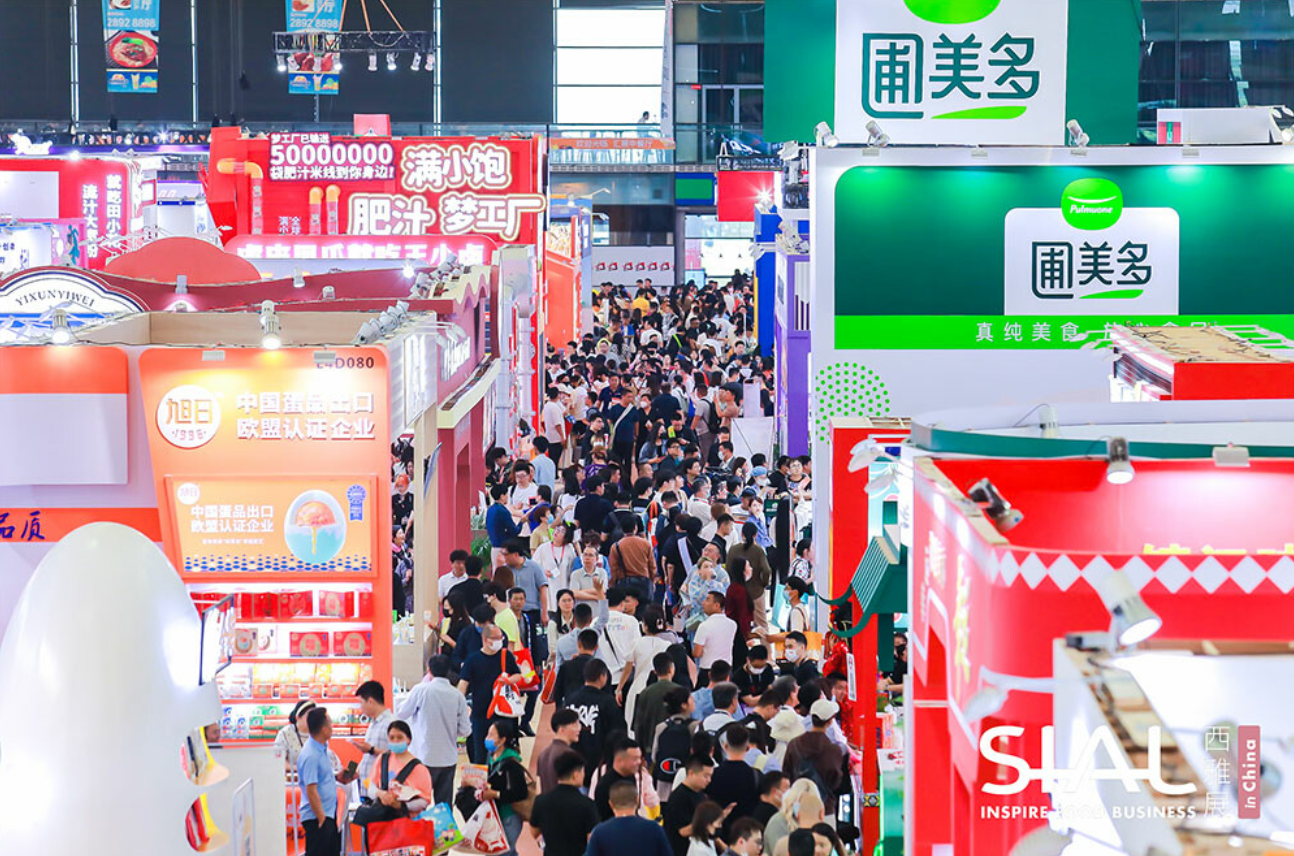
Food trade shows have become one of the most powerful platforms for the global food industry. These events bring together manufacturers, suppliers, distributors, retailers, and innovators under one roof to explore new products, build partnerships, and understand market trends. In today’s competitive world, staying updated through such events is no longer optional; it’s essential for growth.
At their core, food trade shows are designed to create opportunities. Whether a business is a small startup or an established international brand, these exhibitions offer equal visibility and access to potential buyers from different parts of the world.
Why Food Trade Shows Matter in Today’s Industry
The global food industry is constantly evolving. Consumer preferences change quickly, new health trends emerge, and sustainability has become a major focus. In this environment, food trade shows act as a real-time marketplace where innovation is showcased and business decisions are influenced. One of the biggest advantages of attending food trade shows is direct interaction. Instead of relying only on emails or digital marketing, businesses can physically present their products, offer tastings, and receive immediate feedback. This human connection often leads to stronger and long-lasting business relationships.
Another important factor is competition analysis. Companies can observe what others are launching, how they are branding their products, and what strategies they are using to attract buyers. This insight helps businesses improve their own positioning in the market.
Food and Beverage Exhibition: A Hub of Innovation
A food and beverage exhibition is not just about displaying products it is about shaping the future of the industry. These exhibitions highlight everything from raw ingredients to fully packaged consumer goods, along with advanced food processing technologies. Visitors at a food and beverage exhibition can explore a wide range of categories such as organic foods, frozen products, dairy items, beverages, snacks, bakery goods, and gourmet specialties. This diversity makes it easier for buyers to discover new suppliers and expand their product lines.
What makes these exhibitions even more valuable is the focus on innovation. Many companies use these events to launch new products or test market reactions before a full-scale release. From plant-based food alternatives to eco-friendly packaging solutions, these exhibitions reflect where the industry is heading.
Networking and Business Growth Opportunities
One of the strongest reasons businesses participate in food trade shows is networking. These events attract thousands of industry professionals, including importers, exporters, wholesalers, and retail chain representatives. A single conversation at a booth can turn into a long-term partnership. Many global deals in the food industry are initiated at such exhibitions because they provide a trustworthy and transparent environment for communication. In addition, seminars and live sessions held during these events allow participants to learn from industry experts. Topics often include market trends, supply chain challenges, food safety regulations, and future growth opportunities.
How Businesses Benefit from Participation
Participating in a food and beverage exhibition can benefit businesses in several ways:
- Increased brand visibility in international markets
- Direct access to potential buyers and distributors
- Opportunity to launch new products
- Real-time customer feedback
- Strengthening brand credibility
- Understanding global food trends
For many companies, these exhibitions serve as a launchpad for entering new markets and expanding globally.

The Future of Food Trade Shows
With the rise of digital platforms, some people assumed physical exhibitions would lose importance. However, the opposite has happened. Food trade shows have evolved into hybrid experiences, combining physical presence with digital networking tools. Virtual meetings, online product catalogs, and digital matchmaking services now complement traditional exhibition formats. This makes it easier for participants who cannot travel but still want to connect with global buyers. Sustainability is also becoming a key focus. Many food and beverage exhibitions now promote eco-friendly packaging, reduced food waste, and greener supply chain solutions.
Conclusion
Food trade shows and food and beverage exhibitions continue to play a crucial role in shaping the global food industry. They are more than just events; they are powerful business ecosystems where innovation, networking, and opportunity come together. For any business looking to grow in the food sector, participating in these exhibitions can open doors to international success and long-term partnerships.
FAQs
1. What are food trade shows?
Food trade shows are professional events where food industry companies showcase their products, connect with buyers, and explore business opportunities.
2. Who should attend a food and beverage exhibition?
Manufacturers, suppliers, distributors, retailers, importers, exporters, and even startups in the food industry can benefit from attending.
3. Are food trade shows open to the public?
Most food trade shows are B2B events and are primarily open to industry professionals rather than general consumers.
4. What is the main purpose of these exhibitions?
The main purpose is to promote business networking, product launches, market expansion, and industry innovation.
5. How do companies benefit from food trade shows?
Companies gain exposure, find new buyers, study competitors, and build valuable international partnerships.