Greek mythology is still everywhere in modern entertainment. Zeus, Athena, Poseidon, Hades, Hercules, and Medusa appear in movies, TV shows, books, theatre, and games, often in versions that don’t even have much in common with the original stories.
There are powerful characters, family feuds, love, jealousy, ambition, revenge, and plenty of conflict. There are also monsters and heroes whenever the story needs them.
Why Greek Mythology Is Still Being Used
Ancient myths deal with themes that still make sense to modern audiences. People make mistakes, want things they can’t have, fall in love, become jealous, and deal with the consequences. These aren’t stories about perfect characters making perfect decisions. They’re stories about people dealing with difficult situations, often making things worse before they get better. And the themes haven’t changed much either. Love, ambition, conflict, morality, and human weakness are still easy topics for audiences to understand.
That’s probably why writers keep coming back to them.
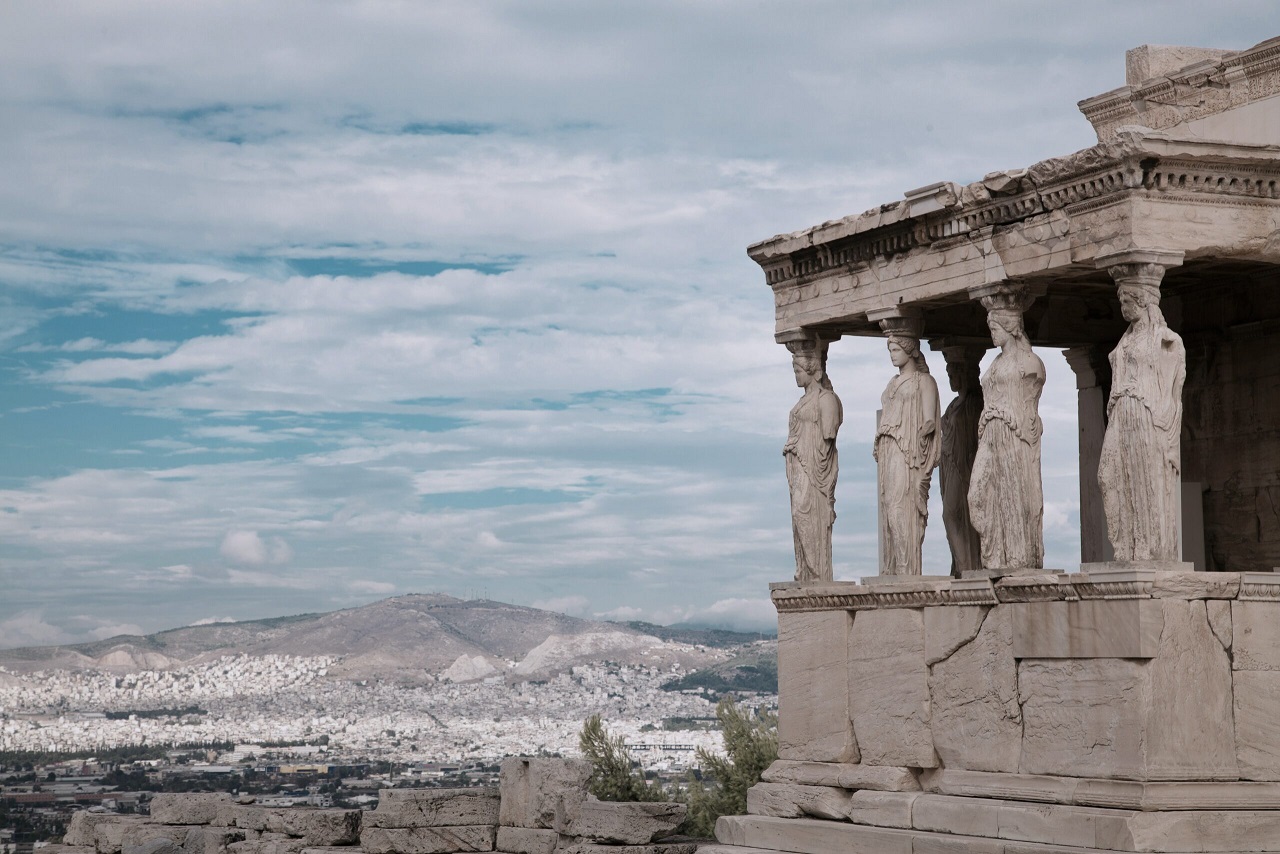
Greek playwrights also gave us the tragic hero, a type of character that still appears in modern fiction. And the influence isn’t limited to books and theatre. Greek mythology has found its way into everyday language and is still used in fashion, advertising, and visual design. Marble temples, laurel wreaths, ancient statues, and familiar symbols of the gods are instantly recognisable and easy to sell.
Gods And Monsters That Everyone Knows
Some Greek mythological figures don’t need much introduction.
Zeus comes with his thunderbolt. Poseidon has his trident. Athena represents wisdom and battle strategy, and Hades belongs to the underworld.
Then there are the heroes and monsters. Hercules, Pegasus, Medusa, the Minotaur, Cerberus, and the Hydra have all become part of popular culture. Medusa is especially easy to spot. The image of a woman with snakes for hair is so familiar that you don’t need a lesson in mythology to know who you’re looking at.
The same goes for Olympus itself. Put some clouds, pillars and lightning on the screen and the setting is pretty much set.
Greek Mythology in Modern Entertainment
Greek mythology has found a new home in modern entertainment, especially in television and film. Some adaptations stay pretty close to the old stories, while others take the characters and place them in completely different settings.
Percy Jackson & the Olympians is a good example. The Disney+ series brings Greek gods, monsters, and heroes to the modern world, following Percy as he discovers that the myths he grew up listening to are real.
Netflix’s Kaos takes things in a completely different direction. With Jeff Goldblum as Zeus, it shows the gods as a dysfunctional modern family, while still using a lot of familiar mythology.
The format changes, but the characters are still easily recognisable. And those same characters have also found their way onto casino reels.
Greek god slots games bring gods, heroes and all kinds of creatures to the reels, with temples, gold, storms and other familiar symbols. Zeus is a particular favourite, with his lightning bolts often used for multipliers and bonus features.
Games such as Gates of Olympus, Greek Gods, Rise of Olympus, Spear of Athena and Medusa Megaways have all put their own spin on the theme.
Gates of Olympus for example, places Zeus above a 6×5 grid with tumbling reels and multipliers. It’s a high volatility game with a max win of 5,000x and if you’re looking for a new way to experience the Greek gods, this is often described as one of the best slots games in this genre.
Rise of Olympus shows Zeus, Poseidon and Hades on a 5×5 grid, with cascades, wilds and multipliers, while Medusa Megaways puts the Gorgon next to a changing number of winning combinations.
Whether it’s a TV series or a casino game, the appeal is pretty simple: the characters are already familiar, and there’s plenty of mythology to play with.
A Legacy That Keeps Showing Up in New Places
A filmmaker can use Zeus without explaining the thunderbolt. A designer can use a Greek temple and instantly create a setting. A game developer can put Medusa on the reels and players will know exactly what they’re looking at.
It’s hard to imagine that Greek mythology will disappear from pop culture anytime soon, because there are just too many stories and too many ways to tell them.