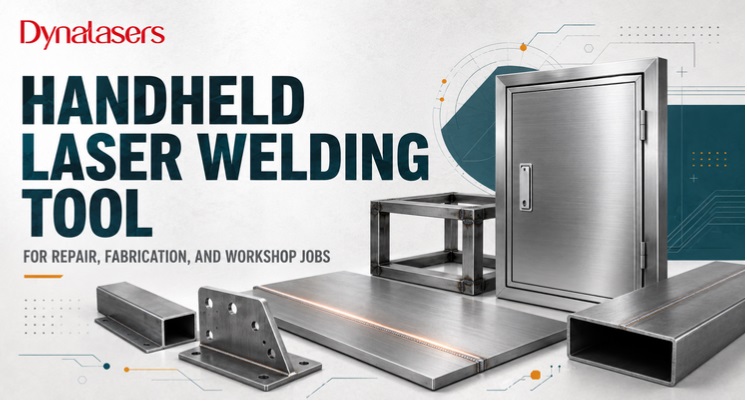
A handheld laser welding tool works well where you need clean seams, less grinding, and the freedom to move around the part. It’s not a direct replacement for TIG, MIG, or spot welding. In repair and small-batch work, picking the right system comes down to material, fit-up, operator skill, and what a typical day actually looks like—not just power numbers.
Handheld Laser Welding Tool Comparison Table
Here’s how a handheld laser welding tool stacks up against the tools most shops already know.
| Tool Type | Heat Input | Portability | Finish Quality | Operator Skill | Best Use Case |
| Laser Welding Gun | Low, concentrated | High – handheld fiber delivery | Clean, narrow HAZ | Moderate to high | Thin-to-medium sheet metal, visible seams, repair |
| TIG Torch | Very low, precise | Moderate | Excellent | High | Fine manual welding, precision repair |
| MIG Gun | Moderate to high | Good | May need spatter cleanup | Moderate | General fabrication, thicker steel, long runs |
| Spot Welding Tool | Localized, short pulse | Stationary or gun-type | No continuous seam | Low to moderate | Overlapping sheet metal, production joints |
A handheld laser welder gives you lower heat and a cleaner look while reaching corners and awkward assemblies. TIG and MIG still win on poor fit-up, thick structural sections, and established production lines. Spot welding remains the go-to for lap joints that don’t need a continuous bead.
Why Handheld Tools Matter in Metal Repair and Small Production
Shops rarely work to one pattern. A single week might throw stainless cabinets, carbon steel frames, aluminum parts, and field repairs at the same bench. A portable laser welding tool lets you take the light source to large frames, installed components, or tight corners without wrestling the workpiece. That’s where a handheld welding machine earns its keep—thin sheet, machine covers, visible seams, and jobs that can’t be moved to a fixed cell. It fills the gap between fully automated welding and a torch in your hand.
Why Dynalasers Handheld Laser Welding Tool Is Useful
Dynalasers handheld systems are built for daily workshop rhythm—stable output, compact package, and multi-function capability. For a shop moving from TIG or MIG, a Dynalasers handheld fiber laser welding tool can lower heat input and cut grinding time, provided parameters, shielding gas, fit-up, and operator movement are properly dialed in.
Lightweight Welding Gun for Easier Handling
Operator comfort directly affects weld consistency. Some Dynalasers guns weigh under 0.48 kg, which reduces fatigue on long seams, out-of-position repair, and field jobs. Less strain means better control over travel speed and focus, especially on thin sheet and cosmetic welds.
Clean Welds on Common Industrial Metals
With correct setup, a laser welding tool for metal handles stainless steel, carbon steel, aluminum, brass, copper, and galvanized sheet. Final results depend on surface cleanliness, joint fit-up, wire feeding, shielding gas, focus position, travel speed, and operator technique. Skipping process testing on real parts will show up in the weld, no matter the power source.
Multi-Function Use for Welding, Cleaning, and Cutting
Welding is seldom the only step. Parts need cleaning before welding, rust removal during repair, or light cutting before assembly. Dynalasers M Series covers welding, cutting, and cleaning; D Series adds spot welding and rust removal. That turns the system into a workshop welding tool that handles varied tasks without swapping machines.
Practical Support for Operators and Workshops
Laser welding still demands training—safety, protective gear, gas selection, focus, wire feed, travel speed, and prep. Dynalasers supports new users with parameter guidance, remote assistance, and spare parts backup aimed at repair teams and small shops building their own process knowledge. Hiring a skilled welder las vegas businesses can depend on helps ensure welding repairs and fabrication work are completed properly.
Dynalasers Handheld Laser Welding Tool Series
Dynalasers provides three series to cover different mixes of daily work, repair intensity, and portability.
M Series: Multi-Function Workshop Tool
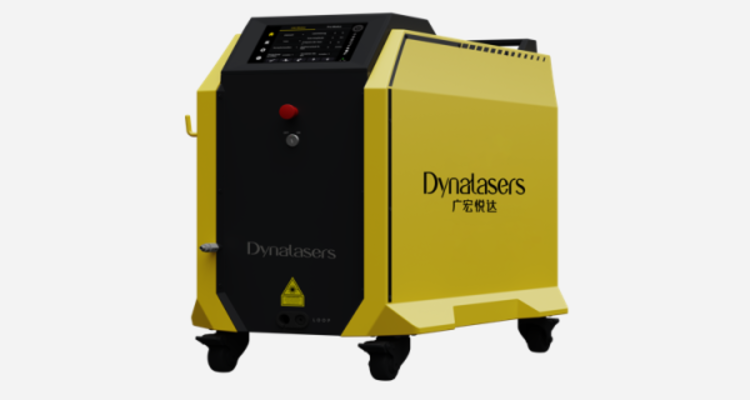
M30 / M50 / M70 deliver 800 W, 1200 W, and 1800 W. They weld, cut, and clean—fitting sheet metal assemblies, precision parts, repair, and small-to-medium runs. With proper joint prep, M70 handles stainless and carbon steel up to about 7.0 mm.
D Series: Higher-Power Welding and Repair Tool
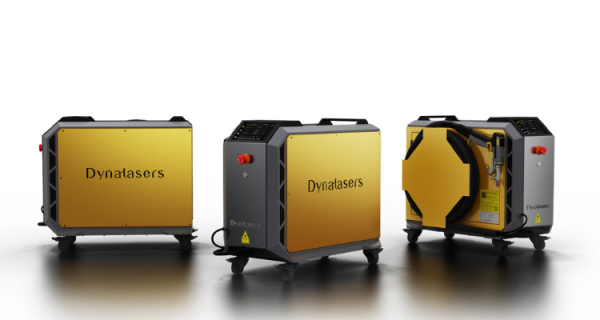
D50 / D70 (1200 W, 1800 W) add spot welding and rust removal to welding, cutting, and cleaning. This makes them a solid metal repair welding tool for industrial repair, thicker sections, aluminum parts, and jobs that switch between fabrication and machinery maintenance.
S Series: Compact Tool for Portable Welding
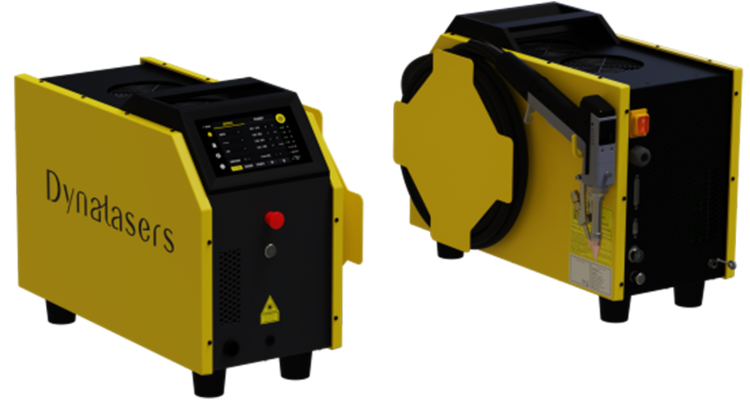
S30 (<21 kg) and S40 (<22 kg) are built as a portable laser welding tool for field maintenance, compact shops, and mobile repair. Continuous, pulse, and burst modes cover thin-sheet tasks away from the bench. Approximate depth under correct setup: S30 ~2.5 mm, S40 ~3.5 mm.
Best Use Cases
A handheld laser welder fits repair work, thin sheet metal, stainless products, aluminum frames, custom fabrication, machine covers, kitchen equipment, and elevator panels—jobs where cleaner seams, less distortion, and reduced grinding matter. Before production, test on actual material samples. Confirm fit-up, choose the right gas, set focus, and record parameters for repeat work. Controlled conditions deliver good results; poor prep doesn’t.
FAQs
Q1. What is a handheld laser welding tool?
A handheld laser welding tool is a portable system that uses focused laser energy to join metal. It’s commonly applied to sheet metal, repair jobs, stainless steel products, aluminum frames, cabinets, machinery covers, and custom metal assemblies when parameters are set correctly.
Q2. Can it be used for repair work?
Yes, on suitable metals and joints. A handheld laser welder handles machinery repair, frame repair, cabinet repair, and localized metal restoration. It’s helpful when the repair needs clean, low-distortion welds with controlled heat input.
Q3. Is it suitable for small metal workshops?
Yes. A compact handheld welding machine fits shops doing varied parts, short runs, and visible repair jobs. It can reduce post-weld finishing and save floor space, especially when welding, cleaning, and light cutting are combined in one unit.
Q4. What training is needed before use?
Operators need laser safety, protective equipment, shielding gas knowledge, focus adjustment, wire feeding, travel speed, surface prep, and parameter control. Laser welding can be easier to pick up than fine TIG, but it still needs discipline and process testing.
Conclusion
A handheld laser welding tool brings cleaner welds, flexible handling, and less finishing to repair and fabrication work. Dynalasers M, D, and S Series give teams practical options for workshop welding, mobile jobs, and multi-function metal processing. With proper training, testing, and process control, these tools fit into daily metalwork without overstating what they can do.