
City relocation looks simple until you try to run it like a weekend errand. The elevator needs a reservation. The hallway has a tight turn. The curb space you counted on is suddenly blocked by a delivery van. And the “quick move” becomes a long day of waiting, carrying, re-packing, and negotiating with the building. If you have ever finished a move and thought, “Why did that feel so hard?”, it usually comes down to two things: planning and flow.
The good news is that city relocation can feel a lot easier when it is treated like a system. Smart packing prevents damage and keeps essentials reachable. Smart transportation planning prevents delays at the curb and avoids last minute improvising. A calm, repeatable workflow turns the move from a scramble into a sequence. This article breaks down the strategies that make city moves smoother, especially in older buildings, busy neighborhoods, and shared spaces where timing matters.
City Moves Feel Tougher Than Expected
Moves in a dense city rarely go sideways because someone forgot tape. They go sideways because access is limited and everyone’s schedule overlaps. A shared elevator creates a bottleneck. A narrow stairwell turns large furniture into a geometry problem. Street rules shrink your options for where a truck can stop, and small delays start stacking up. When you are moving to a place with tight streets and older layouts, the environment is part of the move.
The other reason it feels hard is that multi-unit buildings offer less staging space. You cannot spread boxes across a garage. You cannot leave doors open for hours without someone complaining. You cannot pile everything in a hallway without blocking the neighbors. Good movers anticipate these limits. They build a plan around the building’s reality, not the ideal version you wish you had.
The Load-First Approach That Makes Packing Smarter
Most people pack based on convenience: one closet, one box, one random pile at a time. A better approach is packing based on how you want to unload. Your first night is easier if bedding, toiletries, chargers, and basic kitchen items come off early. Your first workday is easier if your laptop, documents, and office essentials are not buried behind heavy boxes. A load-first mindset designs packing around arrival, not just departure.
Labels matter here, but they do not need to be fancy. “Kitchen” is fine, yet “Kitchen: daily basics” is more useful when you are tired. “Bedroom” is fine, yet “Main bedroom: sheets and bedside items” saves you twenty minutes of searching. When boxes are labeled for real life, unpacking feels like progress instead of digging.
Protective Packing That Prevents Breakage in Tight Buildings
Multi-unit buildings create more pinch points than houses. You have tighter corners, smaller doors, sharper stair turns, and crowded entryways. That means boxes and furniture get bumped more often. The best protection is compact packing, stable stacking, and padding where impact happens. Corners, edges, and glass are the first to suffer when space is tight.
A practical rule is this: if it rattles, it breaks. Fill gaps so items do not shift. Use smaller boxes for books so they do not collapse or injure someone. Wrap screens and glass so pressure does not land on fragile surfaces. Use blankets or padding on furniture edges so walls and pieces do not get scuffed. None of this is glamorous, but it prevents the “we’ll replace it later” regret.
Curb Strategy Is the Hidden Time-Saver
In the city, the curb is the battlefield. If the truck cannot stop close to your entrance, every trip takes longer. If the truck stops illegally, you risk interruptions and rushed loading. If the curb is blocked, your schedule can unravel before the first box leaves the building. The best transportation plans start with curb reality, not a map screenshot.
Smart curb planning means checking street rules, building loading guidance, and the time of day when traffic and deliveries spike. Some areas need permits or reserved spaces. Some buildings have a loading dock with specific instructions. Some streets are manageable midweek and chaotic on weekends. When the curb plan is clear, the rest of the move becomes predictable.
Elevators and Stairs Need Different Move-Day Tactics
Elevator moves are about timing and staging. Elevators create a choke point, so the goal is to keep them moving. Boxes should be stacked near the door, labeled clearly, and organized so you are not re-sorting under pressure. If your building has a reserved window, being ready before the window starts is a huge advantage. It keeps your pace steady and reduces conflict with neighbors.
Stair moves are about safety and control. Loose bags, oversized boxes, and poor taping become hazards on stairs. The smarter tactic is fewer awkward loads, more secure handles, and clear pathways. A stair-heavy move is smoother when packing is designed for safe carrying and steady pacing. This is one reason people search best movers in Boston by how calmly they manage stairs, not just how fast they lift.
The First Hour Decides the Tone of the Whole Move
Most city moves are won or lost in the first hour. If the crew arrives and there is no access confirmation, no staging, and no plan, you start behind. If the truck cannot stop where expected, you start behind. If the elevator is not booked correctly, you start behind. The first hour is where preparation pays for itself.
The best move-day rhythm usually starts with bulky items. Large furniture dictates truck layout, and it is hardest to maneuver when the space is crowded. Once big items are secured, boxes flow more smoothly. A well-run move feels boring in the best way: steady, repetitive, and controlled. When the first hour is clean, the rest of the day tends to stay clean.
Room Sequencing Keeps a Small Space from Turning Chaotic
Small spaces punish random order. When packing and loading happen without a clear system, boxes pile up fast, essentials go missing, and daily routines become harder to manage. That is why many families turn to Boston movers who understand how to handle tight layouts with a more organized approach. A better method is sequencing by zones. Start with closets, storage areas, and items you rarely use. Then move to decor and secondary rooms. Leave the kitchen and main bedroom until later, since those spaces support daily life right up to moving day.
Sequencing also makes unloading much easier. When boxes are grouped by room and by priority, they can be placed where they belong without turning the new home into a mess. You avoid the common “mountain in the living room” problem that makes the first week feel chaotic. This is where apartment moving teams really make a difference: the best crews protect order throughout the move, so the new space feels workable from the start rather than buried in boxes.
Bulky Furniture in Tight Turns: Measure, Protect, and Decide Early
Couches, mattresses, desks, and dressers create the “will it fit?” moment. The easiest way to reduce that stress is to measure the tight spots early: door frames, hallway widths, elevator dimensions, and stairwell turns. If an item is borderline, plan the angle, not the hope. Knowing in advance whether something needs disassembly saves time and prevents damage.
Protection matters just as much as measurement. Corners should be padded. Door frames should be guarded if the clearance is tight. Mattresses should be wrapped so stairwells do not leave them dirty. Disassembly should be used when it makes the overall day faster, even if it adds a few minutes upfront. Tight-space moves reward preparation, not brute force.
Essentials-First Arrival Planning Reduces First-Night Stress
Many people regret their packing choices at 10 p.m. You are tired, the place is full of boxes, and the one thing you need is missing. An essentials-first plan prevents that. Keep bedding, toiletries, chargers, basic cookware, and a change of clothes accessible. If you have kids, include comfort items and school essentials. If you have pets, include food, bowls, and routine items that keep them calm.
This is not over planning. It is friction removal. Your first night sets the tone for your first week. When you can shower, eat, and sleep without digging through boxes, you wake up with more energy to unpack. The move feels lighter because recovery is faster.
Coordination Prevents Surprise Delays and Apartment related Headaches
Moves often blow up because small details were left to chance. Building management may require elevator padding, a certificate of insurance, or a specific entry route. Streets may have construction or enforcement patterns that make curb stopping risky. Neighbors may be moving too, compressing access and increasing complaints. None of these is rare. They are normal city life.
The difference is whether you plan for them. Coordination means confirming rules, booking access, and communicating timing. It also means being realistic about how long loading takes in your building. People choose apartment movers in Boston because they want help navigating those rules and realities. When coordination is handled early, move day feels smoother and less reactive.
Paperwork and Building Rules That Quietly Control the Day
A lot of relocations feel stressful because the paperwork side is treated as an afterthought. Some buildings require a certificate of insurance, a signed move-in form, elevator padding, or a specific route through service doors. Others restrict move hours on weekends or limit how long a truck can stay at the curb. These rules do not exist to be annoying. They exist because buildings are trying to protect shared spaces. Still, if you discover them late, they can derail your schedule.
The simplest fix is to treat building requirements like a checklist item, not a surprise. Call management early, ask what they need, and write it down. If there is an elevator booking system, reserve the slot and confirm the start and end time. If the building wants floor protection or wall padding, plan for it. This is also where Boston movers can make a difference, because they tend to know what questions to ask before the day gets busy.
Packing Materials That Actually Matter In Small Spaces
You do not need boutique packing supplies, but you do need the right few items. Strong boxes in a couple of sizes beat a pile of random grocery cartons that collapse when stacked. Good tape beats cheap tape that peels in humidity. Stretch wrap helps keep drawers closed and bundles loose items together. And simple moving blankets prevent furniture edges from turning into wall damage in narrow halls.
Think of supplies as a way to buy back time. When boxes are sturdy, stacking is faster and safer. When tape holds, you are not re-taping every third box while people wait. When blankets are available, you avoid stopping to “be careful” at every corner. The move feels smoother because the small frictions are removed. It is a very practical kind of preparedness.
Transportation Timing That Keeps You Out Of Peak Congestion
City traffic is not only about roads. It is also about delivery schedules, trash pickup, construction windows, and the hours when everyone seems to need the same curb space. A smart plan chooses a start time that reduces conflict. Early mornings often provide better curb access; while mid-day can be calmer in some areas depending on commercial activity. Weekdays can be easier than weekends, but the best choice depends on your building and street.
This is where the reputation behind best movers in Boston often comes from. The best teams tend to plan around the reality of the street, not the ideal version. They think about where the truck can safely stop, how long loading will take, and how to keep the route efficient. You do not need to become a traffic analyst. You just need to acknowledge that timing is a tool and use it.
A Calmer Unpacking Strategy That Prevents Box Paralysis
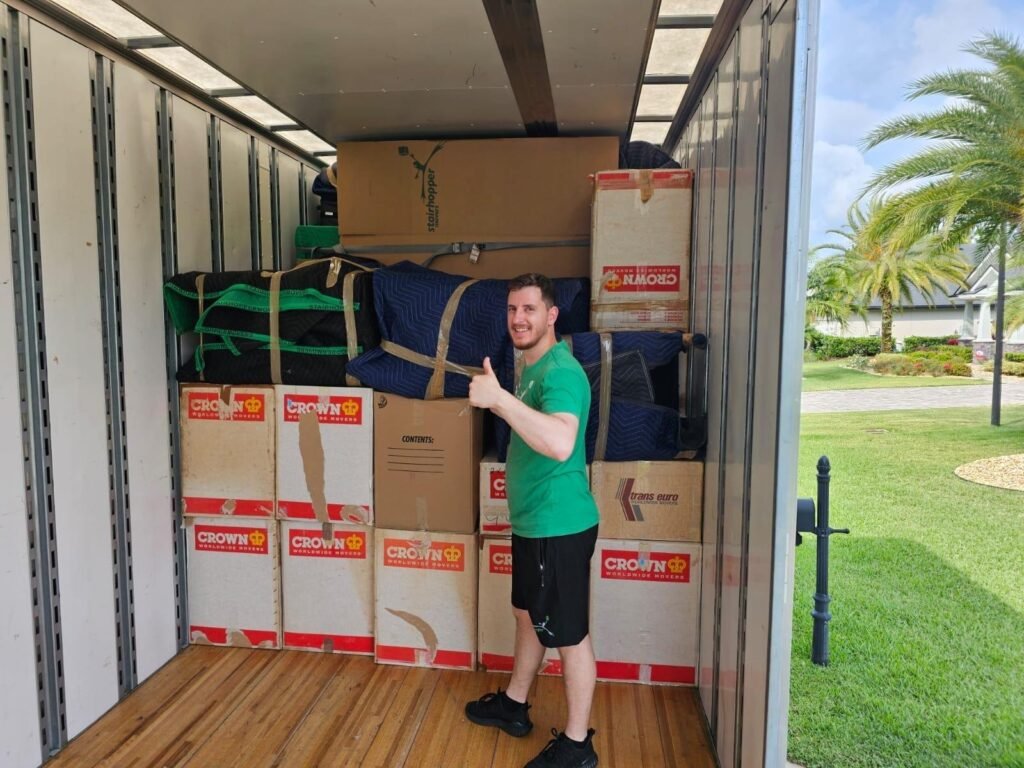
After a long day, it is tempting to put every box in the living room and deal with it “later.” The problem is that it arrives later quickly, and living in a box pile drains your energy. A better approach is to unload by rooms and priorities. Put bedroom boxes in the bedroom, kitchen boxes in the kitchen, and bathroom boxes where they belong. Even if you do not open them right away, the home starts looking organized.
Then unpack in a simple order. First, beds and linens so everyone can sleep. Next, bathroom basics so the morning feels normal. Then, kitchen essentials so you are not eating out for a week. Everything else can wait. This approach is not about perfection. It is about creating early comfort. When unpacking is calm, the whole relocation feels like a transition, not a disruption.
Handling Kids, Pets, and Fragile Items without Slowing Everything Down
Relocations get trickier when you have extra responsibilities running alongside the boxes. Kids need snacks, calm, and a predictable place to sit while traffic moves through the home. Pets react to open doors, unfamiliar voices, and the noise of moving furniture. Fragile items add another layer because they cannot be tossed into the nearest box at the last minute. None of these factors is unusual, but they do require a little strategy so the day stays smooth.
The easiest approach is to create “non-negotiable zones” and a small set of rules. Keep one room or corner clear as a quiet zone, stocked with what you need for a couple of hours. For kids, that might be simple entertainment, water, and a comfort item. For pets, it might be a crate or a closed room with food and familiar bedding. For fragile items, it means packing them early, labeling clearly, and keeping them grouped so they are handled with intention. When these details are planned, the move does not feel slower. It feels calmer, and calm almost always leads to speed.
The Final Walkthrough That Saves You from Post-Move Headaches
The last hour is when small mistakes get expensive. It is easy to forget the freezer shelf, the closet rod, or the last drawer in the bathroom vanity. It is also easy to lose track of keys, fobs, parking passes, or mailroom codes when everyone is focused on finishing the carry. A quick walkthrough is not busywork. It is your insurance against having to return later or losing a deposit over something avoidable.
Do the walkthrough with a pattern: top to bottom, left to right, room by room. Check closets, cabinets, balcony storage, and any shared basement areas. Take photos once the space is empty and clean to show the condition. Put all keys and access items in one labeled envelope or bag that stays with you. When the handoff is clean, you close one chapter without loose ends.
Conclusion
City relocation becomes easier consistently when it runs on strategy, not adrenaline. Smart packing reduces damage and keeps essentials reachable. Smart transportation planning keeps the curb under control and prevents time loss. Access planning keeps elevators and stairs from turning into bottlenecks. When those pieces come together, your move feels calmer, shorter, and easier to recover from, even in dense neighborhoods with tight spaces and strict rules.
For anyone considering Stairhopper Movers their team is known for handling relocations with practical planning, careful packing support, and efficient transportation coordination. They focus on clear scheduling, experienced handling in tight building layouts, and a workflow designed for city conditions. If someone wants fewer surprises and a cleaner move-day experience, they are worth considering for their approach and consistency.
Frequently Asked Questions
Question: How far in advance should I plan apartment relocation?
Answer: Two to four weeks is a solid baseline, especially if your building requires elevator reservations or move-in windows. If you are relocating at month-end or during peak season, plan earlier so you have better date options. Early planning also gives you time to declutter, gather supplies, and pack without rushing. It helps you confirm parking rules, loading guidance, and any paperwork your building requires. The earlier you lock down access details, the less likely you are to run into last-minute surprises.
Question: What is the biggest mistake people make when packing an apartment?
Answer: The biggest issue is packing heavy items into oversized boxes. Books, small appliances, and dense items should go into smaller boxes, so they stay safe and are easier to carry. The second common mistake is vague labeling, which slows down unloading and makes the first night frustrating. Clear, specific labels save time, especially for kitchen basics and bedroom essentials. People also underestimate how long kitchens take. Packing fragile items early, with padding that prevents rattling, helps avoid breakage.
Question: Do I need to reserve the elevator in my building?
Answer: If your building offers reservations, it is strongly recommended. Elevators create a bottleneck, and a reserved window prevents delays and conflict with neighbors. Some buildings also require protective padding, a certificate of insurance or specific move hours. Confirm the rules early so you can secure the best slot and avoid last-minute schedule changes. If the elevator is shared, staging boxes near the door before your window begins helps keep the pace steady. A smooth elevator plan often saves hours.
Question: How can I protect furniture in narrow hallways?
Answer: Start with padding corners and edges since corners are what hit walls first. Use moving blankets or protective wrap on items that scuff easily, especially wood and upholstered pieces. Measure tight spots like door frames and hallway turns before move day, so you know what will fit and what needs disassembly. If something is borderline, do not force it. Disassemble, remove legs, or change the angle. Protecting walls and furniture early is far easier than dealing with repairs afterward.
Question: What should I keep with me instead of packing in boxes?
Answer: Keep anything you need in the first 24 to 48 hours: medications, important documents, chargers, toiletries, and a few days of clothes. Add first-night bedding so you can sleep without digging through boxes. If you have kids, keep comfort items, snacks, and school essentials accessible. If you have pets, keep food, bowls, leashes, and routine items close. This “essentials kit” prevents stress when you arrive tired and just need the basics to function immediately.
Question: How do I handle parking when the street is busy?
Answer: Check street rules and building guidance early. Some areas require permits, reserved loading zones, or specific time windows. If permits are needed, apply in advance so you are not scrambling on move day. If permits are not required, plan the best stopping point and consider timing. Early morning often offers better curb access in many neighborhoods. Also factor in construction, trash pickup, and delivery patterns. A strong curb plan reduces long carry distances and prevents the schedule from slipping before loading even starts.
Question: What’s the best order to pack an apartment?
Answer: Pack in layers. Start with storage areas, closets, seasonal items, and anything you rarely use. Then move into decor, books, and secondary rooms. Save the kitchen and main bedroom essentials for last so your home stays livable during the final days. Group boxes by room and priority so unloading is cleaner. Pack fragile items early, label clearly, and keep them together. This approach reduces last-minute chaos and helps the move feel organized instead of scattered.
Question: How can I make unpacking faster after I arrive?
Answer: Label boxes by room and priority, not just by room. For example, “Kitchen: daily basics” is more useful than “Kitchen.” Place boxes into their correct rooms right away to avoid creating a giant pile in the living room. Unpack in a practical order: beds and linens first, bathroom basics second, then kitchen essentials. This gets you comfortable quickly and makes the next days easier. Once the home feels functional, unpacking the remaining boxes feels less overwhelming.
Question: Are stairs harder than elevators for apartment moves?
Answer: They are difficult in different ways. Stairs require safer packing, lighter box weights, and steady pacing because loose items and heavy loads become unsafe fast. Elevators require timing and staging, since a shared elevator can slow down the day if boxes are not ready. If you have stairs, focus on smaller boxes and secure taping. If you have an elevator, stage boxes near the door, and confirm reservation rules early. Planning around your building’s access type is what keeps the day smooth.
Question: How do I reduce stress on move day?
Answer: Most stress is prevented before the day begins. Confirm building rules, reserve elevator access if needed, and plan curbside stopping. Pack an essentials bag with medications, chargers, toiletries, and first-night bedding. On move day, keep pathways clear, stage boxes near the exit, and separate fragile items so they are handled intentionally. Avoid last-minute packing by finishing most boxing the day before. A calm move usually comes from preparation, not luck, and small early steps make the biggest difference.