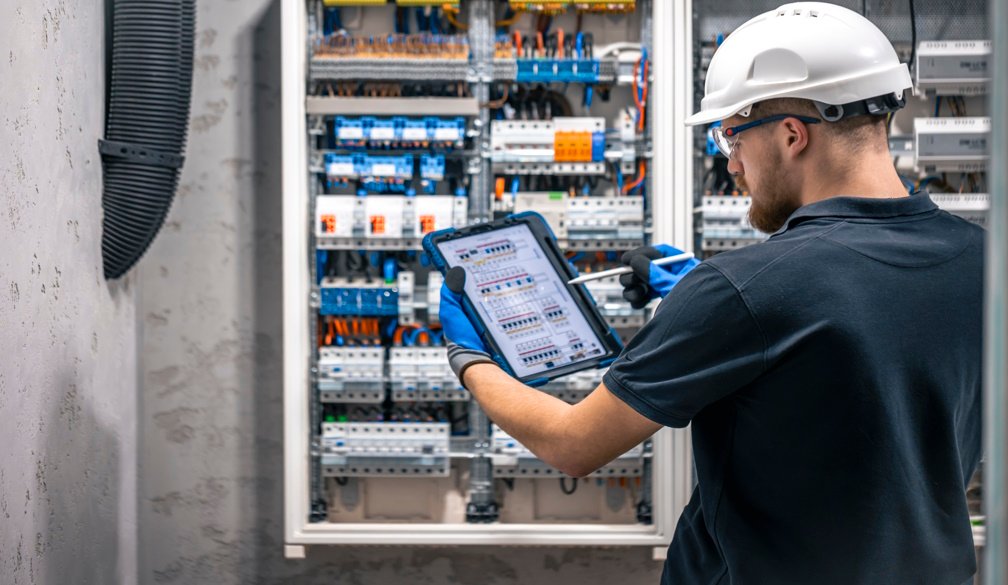
Electrical safety compliance is not optional for Australian businesses — it is a legal obligation under workplace health and safety legislation. Yet many organisations, from small trade operators to large commercial facilities, struggle to keep pace with changing standards, testing schedules, and documentation requirements. This guide breaks down what electrical compliance involves, why it matters, and how businesses are managing it effectively.
The Australian Electrical Compliance Landscape
Electrical safety in Australian workplaces is governed by national and state-level legislation. The Model Work Health and Safety (WHS) Act places a primary duty of care on persons conducting a business or undertaking (PCBUs) to ensure that the workplace — including all electrical equipment — does not expose workers or visitors to unacceptable risk.
The key standard for portable electrical equipment is AS/NZS 3760: In-service Safety Inspection and Testing of Electrical Equipment. This standard defines the inspection intervals, test procedures, and record-keeping requirements businesses must follow. Non-compliance can result in significant penalties, WorkSafe investigations, and — most critically — serious injuries or fatalities.
What Is Electrical Test and Tag?
Test and tag is the process of visually inspecting and electrically testing portable appliances to ensure they are safe to use. A qualified technician inspects each item for physical damage, then uses a Portable Appliance Tester (PAT) to measure insulation resistance, earth continuity, and leakage current. Items that pass receive a colour-coded tag indicating the test date and next due date.
Testing intervals vary by environment. Construction sites require testing every three months due to elevated risk. Office environments typically require annual testing. Industrial workshops and hospitality venues fall in between, at three to six monthly intervals.
Why Businesses Cannot Afford to Skip Testing
The consequences of neglecting electrical compliance extend beyond regulatory fines. Faulty electrical equipment is a leading cause of workplace fires and electric shock injuries in Australia. Insurers scrutinise compliance records when assessing claims, and an absence of current test tags can void coverage following an electrical incident.
There is also a business continuity argument. Equipment failures caused by undetected faults interrupt operations and trigger costly emergency responses. Proactive testing identifies deteriorating items before they fail, allowing for planned replacement rather than reactive crisis management.
How Professional Services Simplify Compliance
For most businesses, managing electrical compliance in-house is neither practical nor cost-effective. A dedicated provider brings calibrated testing equipment, trained technicians, and systematic record-keeping that integrates directly into a business’s compliance documentation.
A well-structured service will inventory every item tested, produce itemised reports, flag failed equipment, and issue compliant tags on the spot. Some providers also offer scheduling reminders and digital compliance registers, removing the administrative burden from the business.
For Queensland and broader Australian businesses, ABC Test N Tag is a professional provider offering structured test and tag services aligned with AS/NZS 3760 requirements.
Residual Current Devices: An Often-Overlooked Obligation
Residual Current Devices (RCDs), also called safety switches, are another compliance element businesses frequently overlook. Under Australian WHS regulations, RCD protection is mandatory for portable electrical equipment used at construction sites and in many other environments. RCDs must be tested periodically — push-button testing monthly and trip-time testing annually — with records maintained.
A comprehensive electrical compliance program covers both appliance testing and RCD testing, ensuring the full protective chain — from the switchboard to the end device — is functioning correctly.
Building a Compliance Culture
Compliance is most sustainable when embedded in workplace culture rather than treated as a periodic checkbox exercise. Practical steps include:
- Appointing a compliance coordinator responsible for scheduling and records
- Training staff to visually inspect equipment before use and report damage
- Establishing a defective equipment tagging and quarantine process
- Maintaining a central register of all electrical assets with test histories
- Scheduling test and tag services aligned with AS/NZS 3760 intervals
When electrical safety becomes a habitual part of operations — not just an annual scramble — compliance becomes far easier to maintain and demonstrate during audits.
Conclusion
Australian businesses using portable electrical equipment carry a clear legal and moral obligation to keep that equipment tested and documented. With the right professional partner and internal processes, electrical compliance is entirely manageable. Investing in structured test and tag services protects workers, safeguards assets, and demonstrates the duty of care that regulators and clients increasingly expect as standard.