The way people pay for goods and services has shifted dramatically over the past decade, and mobile wallets sit at the center of that transformation. Apps like Apple Pay, Google Pay, and regional platforms have replaced physical cards for millions of users. This convenience carries measurable effects on how, when, and how much consumers spend, often in ways that go unnoticed until the monthly statement arrives. What began as a niche technology for early adopters has become a mainstream fixture embedded in daily routines, from morning coffee runs to major purchases. Understanding these effects has never been more relevant, as the habits formed today will define personal finance for years to come.
Why Contactless Payments Boost Spending
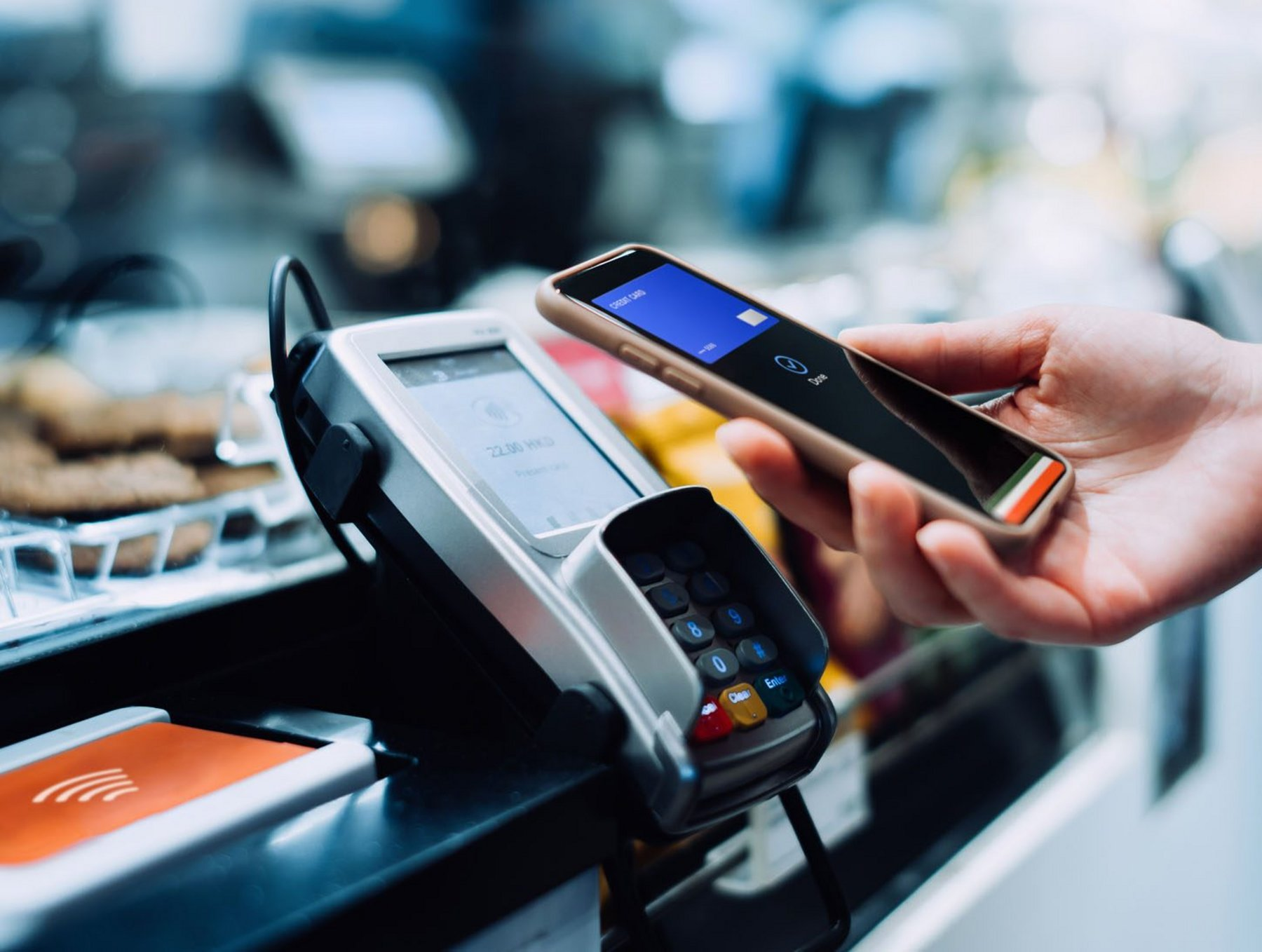
Studies conducted through 2026 consistently show that consumers spend more per transaction when using digital wallets compared to cash. The absence of physically handing over money reduces the awareness of loss. Handing over a twenty-dollar bill feels concrete; tapping a phone feels abstract. This detachment encourages larger baskets, more frequent purchases, and a greater willingness to add optional items. Retailers understand this dynamic well, which is why contactless checkout has become standard across supermarkets, cafés, and transit systems worldwide, quietly nudging spending upward without shoppers noticing the change. The convenience also blurs the mental accounting people rely on to stay within limits, since a single tap rarely registers as a meaningful financial decision. Over time, these small, frictionless moments accumulate into significant shifts in overall spending, reshaping budgets in ways that only become visible when reviewed in aggregate at the end of each month.
Tracking Habits Through Digital Payment Data
One positive shift involves visibility into personal finances. Mobile wallets automatically log every transaction, giving users a clearer record than crumpled receipts ever provided. Many apps categorize spending, flag recurring charges, and offer real-time updates.
This data transparency has changed how consumers approach budgeting. Instead of reviewing finances weekly, users check spending patterns instantly. The same technology that encourages impulse buying also equips people to monitor it. Entertainment budgets are easier to define, and many players enjoying digital leisure now allocate fixed amounts for online recreation. For those trying regulated platforms with clear deposit tracking, resources like FS casino allow users to manage bonuses and monitor play within transparent limits.
Reviewing categorized transactions reveals forgotten subscriptions or rising delivery costs, turning passive record-keeping into active planning and empowering people to adjust course.
Comparing Payment Methods and Their Effects
Different payment tools influence behavior in distinct ways. Understanding these differences helps consumers make more deliberate choices about which methods suit their financial goals.
Below is a concise comparison of common payment types and how each tends to affect spending behavior.
| Payment Method | Spending Impact | Awareness Level |
| Cash | Lowest spending | Highest |
| Physical card | Moderate spending | Medium |
| Mobile wallet | Highest spending | Lowest |
These distinctions reveal a clear pattern: the more abstract the transaction, the easier it becomes to overspend. Consumers who recognize this trade-off can deliberately switch methods depending on whether they want convenience or restraint. Some households, for instance, use cash for discretionary categories like dining out while reserving mobile wallets for fixed bills, blending the awareness of physical money with the convenience of digital tools where it causes the least harm.
How Digital Wallets Reshape Impulse Buying
The connection between mobile wallets and impulse purchases deserves particular attention. Stored payment credentials, saved shipping details, and one-click checkouts collapse the buying process into seconds. This speed removes the natural pause where second thoughts once occurred.
Several behavioral factors amplify this effect, and recognizing them can help shoppers regain control. The following points outline the most common ways digital wallets encourage spontaneous spending.
- Saved cards eliminate the need to reconsider during checkout.
- Push notifications about deals create artificial urgency.
- Loyalty rewards linked to wallets incentivize repeat visits.
- Small recurring charges accumulate without triggering scrutiny.
Awareness of these triggers gives consumers a practical advantage, allowing them to build small friction points back into their routines when self-control matters most. Simple tactics work well, such as removing stored cards from favorite shopping apps, disabling promotional notifications, or imposing a personal rule to wait a full day before confirming any non-essential purchase. Reintroducing even a few seconds of deliberate friction can meaningfully reduce regretful spending over time.
Building Smarter Habits in a Cashless Era
The transition toward cashless economies shows no sign of reversing, so developing healthy financial habits within this system matters more than resisting it. Setting spending alerts, reviewing categorized statements, and pausing before confirming purchases restores some of the deliberation that physical cash naturally provided.
Financial discipline in a digital environment depends on intentional structure rather than willpower alone. Many users benefit from separating discretionary funds into dedicated wallets or accounts, ensuring that leisure spending never encroaches on essentials. The tools that make overspending easy can, with thoughtful configuration, become powerful allies for saving. By treating mobile wallets as instruments to manage rather than habits to follow passively, consumers can enjoy the convenience of instant payments while maintaining the clarity and control that responsible spending requires across all categories.
Mastering Money in a Tap-To-Pay World
Mobile wallets have permanently altered the relationship between people and their money. The reduced friction that makes them convenient also makes them powerful drivers of increased spending, particularly among frequent users. Yet the same technology offers unprecedented transparency for those willing to engage with the data it generates. The outcome depends largely on individual awareness and intention. Consumers who understand the psychological mechanics at play can harness digital payments to their benefit, using tracking features and spending limits to stay aligned with their goals. As cashless systems continue expanding, financial literacy focused on digital tools becomes essential. The wallet in a pocket today does far more than store cards; it actively shapes decisions, and mastering it is the key to lasting financial confidence.