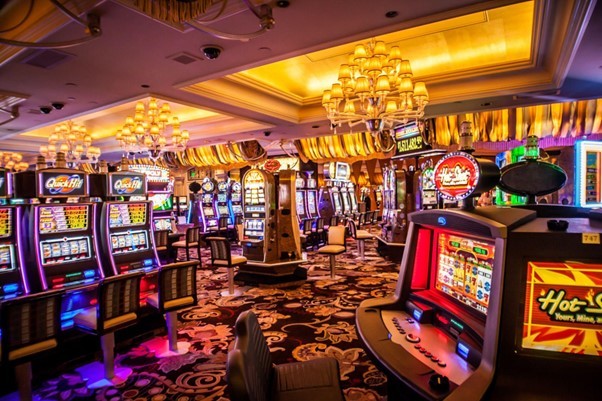
Walk into any major casino and nothing you see, hear, or feel is accidental. Every carpet pattern, ceiling height, and slot machine placement serves a calculated purpose: keeping players engaged, comfortable, and willing to spend more. Casino architecture is one of the most sophisticated applications of environmental psychology in commercial design, blending sensory manipulation with behavioral science to create spaces that subtly guide decisions.
The Psychology Behind Casino Floor Layouts
Casino floor plans are rarely intuitive, and that is entirely by design. Two dominant philosophies have shaped how casinos organize their gaming spaces over the decades, each rooted in different psychological principles. The traditional maze-like layout, pioneered by casino designer Bill Friedman, prioritizes disorientation and discovery. Players wander through tightly packed clusters of machines without clear sightlines to exits or external reference points. This approach relies on the idea that confused patrons will stumble upon more games and stay longer.
Maze Layouts Versus Open-Plan Designs
The competing approach, championed by architect Roger Thomas at Wynn Resorts, favors grand open spaces with high ceilings, natural light, and elegant décor. Rather than trapping players, this playground-style layout aims to make them feel relaxed and euphoric. Research published in the Journal of Gambling Studies found that players in open, aesthetically pleasing environments actually gambled more aggressively than those in cramped, maze-like settings. The comfort factor lowers psychological defenses, making players more willing to take risks.
How Lighting And Color Shape Gambling Decisions?
Lighting inside a casino is meticulously engineered to create a timeless atmosphere. Most gaming floors avoid windows and clocks, eliminating external cues that might remind visitors how long they have been playing. Warm, low-level ambient lighting reduces fatigue and creates an intimate feeling, while brighter, focused lighting draws attention to specific machines or table games. The absence of harsh fluorescent light keeps cortisol levels low and encourages prolonged sessions.
Key lighting and color strategies casinos employ include:
- Warm ambient lighting to create a cocoon-like comfort zone.
- Spotlighting on jackpot displays to trigger excitement and aspiration.
- Red and gold accents near high-stakes tables to elevate adrenaline.
- Soft blue tones in dining areas to encourage rest before returning to play.
- LED-programmable machines that shift colors based on game outcomes.
Color palettes also play a critical role. Reds and warm tones stimulate excitement and energy, which is why they dominate many gaming areas. Cooler blues and greens appear in lounges and restaurants where the goal is relaxation rather than action. Online casinos like nv.casino demonstrate how even digital gambling environments borrow from these physical design principles, using color psychology and visual hierarchy to enhance user engagement.
The Role Of Sound Engineering In Player Retention
Sound is arguably the most underestimated tool in casino design. Every chime, jingle, and celebratory noise from a slot machine is carefully composed to reinforce positive associations with gambling. Winning sounds are loud and triumphant, while losses pass in near silence. This asymmetry creates a cognitive bias known as the “availability heuristic,” where players overestimate how often wins occur because those moments are more memorable.
| Sound Element | Psychological Effect | Behavioral Outcome |
| Slot machine jingles | Reinforces winning associations | Encourages continued play |
| Coin-drop sound effects | Creates illusion of frequent payouts | Increases machine engagement |
| Low background music | Promotes relaxation and comfort | Extends session duration |
| Ambient crowd noise | Generates social proof and excitement | Attracts more players to busy areas |
Background music tempo also matters significantly. Research from Griffith University found that faster music increased betting speed, while slower tempos encouraged players to stay longer and place larger individual bets. Casinos strategically adjust playlists throughout the day to match desired player behavior during peak and off-peak hours.
Scent, Temperature, And Spatial Comfort
Casinos pump carefully formulated scents through their ventilation systems. A landmark 1995 study by Dr. Alan Hirsch found that pleasant ambient odors near slot machines increased revenue by nearly 45 percent compared to unscented areas. Signature fragrances are now standard at major properties, tying olfactory memory to the casino experience and encouraging repeat visits.
Temperature is maintained at a cool but comfortable range, typically around 68 to 70 degrees Fahrenheit, keeping players alert without causing discomfort. Plush carpeting absorbs sound and reduces physical fatigue from standing or walking, while ergonomic seating at machines discourages players from wanting to leave.
Why Every Detail In A Casino Is Intentional?
Physical casino design reflects decades of behavioral research carefully built into architecture, acoustics, lighting, and overall atmosphere. From floor plans that subtly guide traffic and keep guests circulating, to soundscapes and ambient cues that can blur time and distort perception, nearly every detail is engineered to shape how people feel, how long they linger, and how much they’re inclined to wager. This includes everything from game placement and aisle widths to color palettes, temperature, and the strategic positioning of amenities. Recognizing these design strategies doesn’t lessen the fun or excitement casinos can offer; instead, it gives visitors useful context. With that awareness, players are better equipped to set personal limits, stay mindful of their choices, and make more intentional decisions about time and money on the gaming floor.