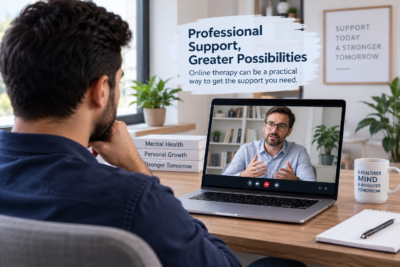
Access to mental health support has changed significantly as technology has become part of everyday life. People who once had to travel to a clinic for every appointment can now speak with a professional from home, work, or another private location. This shift has made online therapists an increasingly practical option for people seeking emotional support, counseling, and professional mental health care.
Online therapy is not simply a matter of replacing an office appointment with a video call. It can involve different communication methods, scheduling options, professional specialties, and approaches to treatment. For some people, virtual appointments make it easier to fit therapy into a busy routine. For others, online counseling can reduce barriers such as transportation, distance, or discomfort with visiting a traditional clinic.
Knowing how this type of care works can help people decide whether it suits their needs and what they should consider before choosing a provider.
What Are Online Therapists?
Online therapists are qualified mental health professionals who provide counseling or therapy through digital communication. Depending on the provider and service, appointments may take place through secure video sessions, phone calls, or written messaging.
The professionals involved can have different qualifications and areas of specialization. Some may work primarily with anxiety, stress, relationship concerns, grief, or life changes, while others may focus on specific populations or therapeutic approaches.
The basic purpose remains similar to traditional therapy. A person meets with a trained professional, discusses concerns, identifies patterns or challenges, and works toward healthier ways of managing them. The main difference is the setting in which those conversations take place.
People considering this option should pay attention to professional credentials and licensing requirements. A provider should be appropriately qualified to offer mental health services in the location where the client is receiving care.
Why People Choose Virtual Therapy
Convenience is one of the most common reasons people consider virtual therapy. A person may not have to spend time driving to an appointment, finding parking, or sitting in a waiting room. This can make regular sessions easier to fit into a demanding schedule.
Remote appointments may also be useful for people who live far from mental health clinics. In smaller communities, there may be fewer professionals available locally, particularly for specialized concerns. Online services can sometimes provide access to professionals who would otherwise be difficult to reach.
Privacy can be another consideration. Some people feel more comfortable speaking from a familiar environment rather than entering a counseling office. Having a private room at home can make conversations feel less intimidating for certain individuals.
Another benefit is scheduling flexibility. Some online services provide appointments outside conventional working hours, although availability varies by provider. This can be useful for people balancing employment, education, family responsibilities, or other commitments.
How Online Counseling Works
The process usually begins with an initial assessment or consultation. During this conversation, the therapist may ask about the person’s concerns, goals, previous experiences with therapy, and preferred approach to treatment.
After the initial conversation, the therapist and client may establish a regular appointment schedule. Sessions can be conducted through video, audio, or another approved communication method.
The structure of therapy depends on the professional and the client’s needs. Some sessions may focus heavily on conversation, while others may involve practical exercises, reflection, behavioral strategies, or discussion of specific situations.
Technology can make communication easier, but it also introduces practical considerations. A reliable internet connection, a private space, and a suitable device can improve the experience. Both the client and therapist should also take reasonable steps to protect confidentiality.
Choosing Licensed Online Therapists
Credentials should be one of the first things a person checks when comparing providers. Licensed online therapists should have appropriate professional qualifications and authorization to practice according to applicable regulations.
It is also useful to consider specialization. Someone looking for support with relationship problems may want a professional experience in relationship counseling, while someone dealing with persistent anxiety may prefer a therapist who regularly works with anxiety related concerns.
Communication style matters as well. Therapy is personal, and a professional approach that works well for one person may not feel comfortable to another. An initial consultation can provide an opportunity to determine whether the therapist’s communication style and approach feel suitable.
People can also ask practical questions before beginning regular sessions. These may include the therapist’s availability, session length, fees, cancellation policies, communication methods, and privacy practices.
Online Counseling for Different Needs
Online counseling can address many of the same general concerns that bring people to traditional therapy. These may include everyday stress, relationship difficulties, grief, work related pressure, family concerns, self esteem issues, and emotional challenges.
The suitability of online care depends on the individual situation. Some people may find remote sessions highly convenient and effective for their circumstances. Others may benefit more from face to face care.
Certain situations may require more intensive or immediate support than standard online appointments can provide. Anyone experiencing an immediate mental health crisis, feeling unable to stay safe, or facing an emergency should seek appropriate emergency or crisis support in their location rather than relying on a routine therapy appointment.
The Role of Mental Health Counseling Online
The growing availability of mental health counseling online has also changed how people think about seeking support. Therapy does not have to begin only when a problem becomes overwhelming. Some people seek professional assistance when they notice recurring stress, changes in mood, difficulties in relationships, or problems managing everyday responsibilities.
Early support can give people an opportunity to talk through concerns before they become more disruptive. A therapist can also help a person identify patterns that may be difficult to notice independently.
Online counseling may make this first step feel more manageable because the person does not necessarily need to reorganize their entire day around traveling to an office. For people who have avoided therapy because of practical barriers, remote appointments can provide another possible route to professional support.
Teletherapy and Regular Appointments
Teletherapy generally refers to mental health services delivered through telecommunications technology. Regular sessions can help establish continuity, which is often important in the therapeutic process.
Consistency allows the client and therapist to build familiarity over time. Instead of repeatedly explaining the same background to a new professional, a person can continue working with one provider when the arrangement is appropriate.
The frequency of appointments varies. Some people may attend weekly sessions, while others may have a different schedule based on their circumstances and professional recommendations. There is no single schedule that works for everyone.
Technology can also make it easier to maintain appointments when travel is difficult. However, technical problems can interrupt sessions, so having a backup communication method and a suitable private location can be helpful.
Online Therapy Platforms and Professional Choice
Different online therapy services operate in different ways. Some connect clients with individual therapists, while others provide broader mental health resources alongside professional sessions.
For example, 7Cups is one service that people may come across when researching online emotional support and mental health resources. However, users should review what a particular service actually provides and determine whether it matches their needs.
A platform’s size or popularity should not be the only factor in choosing a therapist. The professional’s qualifications, specialty, availability, communication approach, privacy practices, and suitability for the client’s needs are often more important.
Preparing for an Online Therapy Session
A little preparation can make remote sessions more productive. Choosing a quiet and private location is useful, particularly when discussing sensitive subjects. Headphones can also provide additional privacy when appropriate.
It can help to think about what you want to discuss before the appointment. Writing down a few concerns, recent situations, questions, or goals may make it easier to start the conversation.
Technical preparation matters too. Testing the internet connection, camera, microphone, and appointment software beforehand can reduce unnecessary interruptions.
At the same time, there is no requirement to have a perfectly organized explanation of your feelings before speaking with a therapist. Part of the professional’s role is to help the conversation develop naturally.
Is Online Therapy Right for Everyone?
Online therapy can be a useful option, but it is not automatically the best choice for every person. Personal preferences, treatment needs, access to technology, privacy at home, and the type of support required can all affect the decision.
Some people appreciate the comfort and convenience of remote appointments. Others prefer the structure and personal interaction of attending a physical clinic. In some cases, a combination of remote and in person services may be possible.
The most important consideration is finding an appropriate form of professional support rather than choosing an option simply because it is convenient.
Final Thoughts
The growing availability of online therapists has made professional mental health support more accessible for many people. Virtual appointments can reduce travel requirements, provide greater scheduling flexibility, and give clients another way to connect with qualified professionals.
At the same time, choosing online care requires thoughtful consideration. Credentials, specialization, privacy, communication style, availability, cost, and the level of support offered should all be considered before starting regular sessions.
For people who want professional support but face practical barriers to traditional appointments, online therapy can provide a useful alternative. As digital healthcare continues to develop, the ability to connect with qualified mental health professionals remotely is likely to remain an important part of modern mental health care.