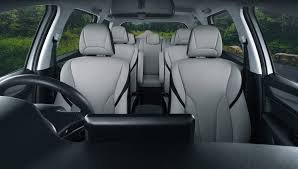
Long road trips can be exciting adventures, but comfort is one of the most critical factors in ensuring an enjoyable journey. A vehicle that supports good seating, smooth handling, and convenient features can make the difference between an exhausting drive and a relaxing experience. Drivers looking to prepare for extended travel often seek guidance on selecting cars or SUVs that prioritize comfort, safety, and practicality.
For those in Michigan, visiting mount pleasant auto provides access to dealership experts who can help you explore vehicles equipped for long-distance trips, test drive options, and find models that meet your comfort requirements. This article outlines key considerations and features to look for when choosing a vehicle for long road trips.
Evaluate Seating Comfort and Ergonomics
The most important factor in long-distance travel is the comfort of your seat. Poor seating can lead to back pain, fatigue, and a less enjoyable journey.
- Adjustable Seats: Look for vehicles with power-adjustable or memory seats to customize seating positions.
- Lumbar Support: Proper lumbar support reduces back strain during long drives.
- Heated and Ventilated Seats: Enhance comfort in different weather conditions.
- Cushioning and Upholstery: Soft, supportive seating materials improve endurance for hours on the road.
Testing seats during a dealership visit helps ensure that the vehicle provides adequate comfort for all passengers.
Cabin Space and Legroom
Spacious interiors contribute significantly to long-distance comfort. Consider the space available for passengers and cargo.
- Legroom and Headroom: Ample space in both the front and rear seats prevents cramped seating.
- Wide Cabin Layouts: Vehicles with broader interiors allow easier movement and comfort.
- Cargo Capacity: Extra storage ensures that luggage and travel gear do not crowd passenger areas.
- Flexible Seating Configurations: Foldable or adjustable seats improve convenience for mixed passenger and cargo needs.
A vehicle with sufficient cabin space helps passengers stretch, reduces discomfort, and accommodates luggage or recreational equipment.
Smooth Ride and Suspension
Ride quality is a key determinant of comfort on long trips. Vehicles with well-designed suspension systems absorb bumps and reduce vibrations.
- Independent Suspension Systems: Offer better handling and smoother rides over uneven roads.
- Adaptive or Adjustable Suspension: Adjusts damping automatically based on driving conditions for maximum comfort.
- Noise Reduction: Well-insulated cabins reduce road and wind noise, contributing to a quieter, more relaxing environment.
- Shock Absorbers: High-quality shocks and struts improve stability and absorb rough road conditions.
A smooth ride reduces fatigue and stress, making long hours behind the wheel much more pleasant.
Climate Control and Ventilation
Maintaining a comfortable temperature is essential, especially on trips through areas with variable weather.
- Dual-Zone or Tri-Zone Climate Control: Allows each passenger to set their preferred temperature.
- Rear Climate Control: Ensures that backseat passengers experience the same comfort as front occupants.
- Air Filtration Systems: Improve air quality inside the cabin, reducing fatigue and discomfort.
- Ventilated Seats and Heated Options: Keep passengers comfortable in extreme temperatures.
Vehicles with advanced climate systems provide a comfortable and pleasant environment regardless of external weather conditions.
Infotainment and Connectivity Features
Entertainment and connectivity are vital for reducing boredom and enhancing comfort on long drives.
- Touchscreen Infotainment Systems: Provide navigation, music, and access to apps.
- Bluetooth and USB Connectivity: Keep devices charged and connected for seamless media access.
- Rear Entertainment Systems: Ideal for children or passengers, keeping them occupied for hours.
- Voice-Control Features: Allow drivers to make adjustments without distraction, improving safety and comfort.
Infotainment and connectivity systems make road trips more enjoyable and reduce stress for both drivers and passengers.
Storage and Accessibility
Having easy access to essentials and organized storage contributes significantly to comfort during extended trips.
- Ample Trunk Space: Holds luggage and travel gear efficiently.
- Center Consoles and Door Storage: Keep frequently used items within reach.
- Flexible Cargo Configurations: Allows rearranging seats or cargo areas to maximize space and comfort.
- Cup Holders and Compartments: Small conveniences add significantly to passenger comfort over long distances.
A well-organized vehicle ensures passengers remain comfortable and free from clutter or inconvenience.
Safety Features for Peace of Mind
Safety contributes indirectly to comfort, as confidence in your vehicle reduces stress during long drives.
- Adaptive Cruise Control: Helps maintain speed and distance on highways.
- Lane-Keeping Assist and Blind-Spot Monitoring: Prevents accidents and reduces anxiety during heavy traffic.
- Automatic Emergency Braking: Provides additional protection in unexpected situations.
- Parking Assistance: Simplifies parking in tight areas during rest stops.
Modern safety features ensure that drivers and passengers feel secure and relaxed throughout the trip.
Fuel Efficiency and Range
While comfort primarily focuses on the cabin and ride quality, fuel efficiency affects overall convenience on long road trips.
- Efficient Engines: Reduce frequent stops for fuel, saving time and stress.
- Hybrid or Eco-Friendly Options: Combine comfort with lower fuel consumption.
- Long-Range Tanks: Vehicles with larger fuel capacity allow extended driving between stops.
- Real-Time Fuel Monitoring: Helps drivers plan trips and stops efficiently.
Vehicles that balance performance with fuel efficiency provide a smoother, more comfortable journey by reducing interruptions.
Test Drive and Personal Assessment
The best way to evaluate comfort is by experiencing the vehicle firsthand.
- Extended Test Drives: Simulate real road trip conditions to assess seat comfort, ride quality, and handling.
- Passenger Feedback: Bring family or travel companions to get their opinions on seating and cabin comfort.
- Check Technology and Controls: Ensure that infotainment, climate, and safety systems are intuitive and convenient.
- Assess Storage and Space: Pack a few items to evaluate cargo and accessibility for your needs.
A test drive helps confirm that a vehicle meets all your comfort requirements before making a purchase.
Conclusion
Choosing a comfortable vehicle for long road trips requires attention to seating, cabin space, suspension, climate control, infotainment, storage, safety, and fuel efficiency. Each of these factors contributes to a more enjoyable and less fatiguing driving experience.