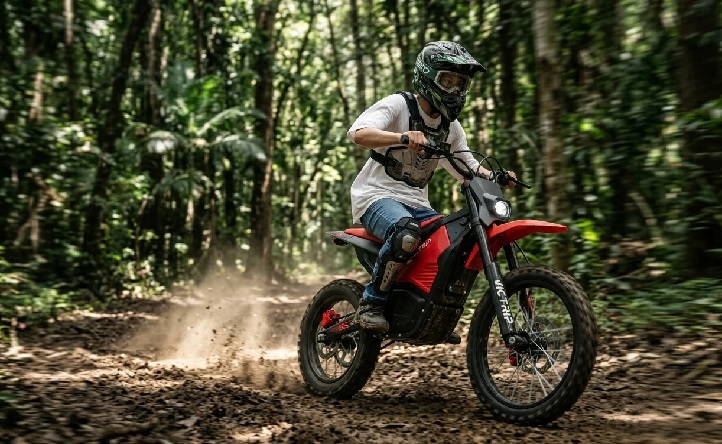
Electric dirt bikes have moved well past “niche alternative” at this point. Battery tech, electric motors, suspension, braking — all of it’s gotten good enough now for real recreational trail riding, private-land exploration, hill climbing, whatever off-road stuff you’re into. Power comes from a battery and motor here, not an internal-combustion engine. Different acceleration, different sound, different maintenance, different feel entirely.
Picking one takes more than checking top speed or motor wattage, though. Battery capacity, motor configuration, suspension, seat height, rider weight, terrain, intended use — all of it shapes how the thing actually rides.
What Is an Electric Dirt Bike?
Off-road motorcycle, rechargeable batteries powering it. Battery feeds electricity to an electric motor, motor transfers power to the wheel through the drive system. Hub motor or mid-drive motor, mostly, depending on the model.
Hub-drive puts the motor near the wheel. Mid-drive sits it closer to the center of the frame. Different feel either way — mid-drive gives you weight distribution and control on technical terrain, hub-drive gives you straightforward power for open trails and faster riding.
Modern electric dirt bikes commonly run knobby tires, long-travel suspension, disc brakes, reinforced frames, riding modes built for uneven ground.
Understanding Motor Power and Torque
Motor power’s the spec everyone notices first. Manufacturers list peak wattage — the max output under particular conditions. Doesn’t tell you how the bike actually behaves on a trail, though, not by itself.
Torque matters just as much, maybe more, riding uphill or over loose ground. Strong torque, quick response climbing or accelerating from slow. That’s why power and torque both deserve attention — don’t just pick based on advertised max speed.
Happy Run offers several configurations, different combos of motor output, battery capacity, wheel sizes, suspension setups. G300 Pro, F18 2.0, G18 Pro — the lineup shows how these bikes get built around different priorities.
Battery Capacity and Real-World Range
Battery capacity’s a big one too. Lithium-ion packs, mostly, voltage and amp-hour capacity determining how much energy’s stored.
Higher capacity, potentially longer rides. Advertised range’s not a guarantee, though. Actual range shifts hard depending on rider weight, terrain, speed, riding mode, temperature, tire pressure, how often the motor’s getting pushed hard.
Slow riding on smooth trails burns way less energy than repeatedly gunning it up steep hills. Planning a longer trip? Leave yourself a safety margin — don’t bank on the max advertised range holding up.
Charging time matters just as much. Figure out recharge time before buying, and whether the charging setup actually fits where you’re riding.
Suspension and Tires Matter on Rough Terrain
These bikes get built for surfaces way rougher than ordinary roads. Suspension keeps the wheels in contact with uneven terrain, cuts the impact hitting the rider and frame.
A solid front fork and rear suspension makes a real difference over rocks, roots, ruts, small jumps. Tires too — knobby off-road tires grip dirt and loose surfaces, but behave differently on pavement.
Wheel size shapes handling as well. Bigger wheels roll over obstacles easier. Smaller wheels sit you lower, handle differently.
Choosing an Adult Electric Dirt Bike
Rider size, experience — factor those in before picking an adult electric dirt bike. Seat height especially, since comfortable control matters, particularly stopping on uneven ground.
Weight capacity’s another one worth checking. Published max load usually covers the rider, might need to account for gear too.
Experienced riders often prioritize motor output and suspension performance. Casual trail riders care more about manageable power, comfortable ergonomics, battery efficiency.
Don’t just chase the fastest model automatically. Think about where and how you’re actually riding first.
What Makes the Best Electric Dirt Bike?
No single spec makes one bike the best electric dirt bike for everyone. Depends on terrain, experience, physical dimensions, desired range, performance expectations.
Technical trails, controllable torque and balanced weight distribution matter. Open private trails, speed and suspension travel matter more. Extended recreational rides, battery capacity takes priority.
Best move’s making a short list of requirements before comparing anything. How much power’s actually necessary? What terrain gets ridden most? How much range’s needed? Is the seat height right? Does the suspension fit the terrain? Are you within the weight capacity? How long’s charging take? Parts and maintenance support available?
Those questions give you way more to work with than one headline spec ever will.
Maintenance of Electric Dirt Bikes
Fewer engine-related components than gas bikes, sure, but still real maintenance needed. Tires, checking wear and pressure. Brakes, periodic checks — off-road riding’s hard on braking systems.
Chain or other drivetrain components, inspected per the manufacturer’s recommendations. Suspension, fasteners, wheel bearings, electrical connections — all deserve attention too.
Battery care matters especially. Right charger, manufacturer’s charging and storage instructions followed. Keep batteries away from extreme conditions, physical damage, bad charging habits.
Clean the bike after muddy rides, too — keeps dirt and moisture from building up around mechanical and electrical parts.
Safety and Responsible Riding
These things accelerate fast, hit motorcycle-level speeds — protective gear’s not optional. Properly fitted helmet, minimum starting point. Gloves, eye protection, sturdy footwear, riding pants, protective body gear on top of that.
New riders — get familiar with throttle response and braking before tackling difficult terrain. Practice at controlled speeds first, builds confidence and reaction skills.
Not automatically legal for public roads just because there’s pedals, lights, electric power involved, either. Classification and road-use rules vary by location. Check local laws, stick to designated off-road areas or private property where you’re actually allowed.
The Future of Electric Off-Road Riding
Electric dirt bikes keep evolving — better batteries, motors, suspension, charging tech, electronic controls. Quiet operation makes them especially appealing for recreational spots where engine noise’s a real concern.
More models means more to weigh, too. Instead of fixating on speed or motor wattage alone, a real look at range, ergonomics, suspension, braking, terrain compatibility, safety gets you a much better fit.
Experienced off-road rider or first-timer exploring electric bikes — understanding these basics makes comparing bikes a lot easier, objectively. An electric dirt bike’s a tool for a particular kind of riding, at the end of the day. Matching it to what you actually need matters way more than just grabbing the biggest battery or most powerful motor on the shelf.