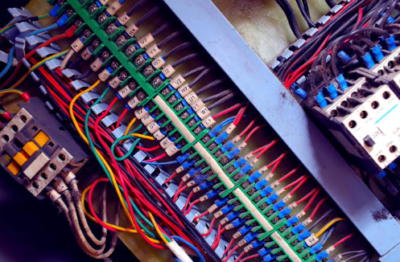
Electrical safety is an important responsibility for anyone renting out a property. A Landlord Electrical Safety Certificate London helps landlords understand the condition of the fixed electrical installation and identify defects that may put tenants or the property at risk. Regular electrical checks can also make it easier to deal with faults before they develop into more serious safety problems.
The inspection involves more than a quick visual check. Professional Fixed Wire Testing London can assess circuits, wiring, protective devices, earthing and other parts of the permanent electrical installation. The findings are then recorded in an Electrical Installation Condition Report, commonly known as an EICR.
What Is a Landlord Electrical Safety Certificate?
The term Landlord Electrical Safety Certificate is commonly used to describe the electrical safety report provided following an EICR inspection.
An EICR assesses the condition of the fixed electrical installation within a rental property. This normally includes electrical systems and components such as:
- Consumer units
- Electrical circuits
- Fixed wiring
- Sockets
- Switches
- Earthing arrangements
- Protective bonding
- RCD and RCBO protection
- Fixed electrical accessories
The purpose of the inspection is to identify electrical defects, deterioration or unsafe conditions that may require attention.
Why Is Electrical Safety Important for Landlords?
Electrical installations can change over time.
Wiring can deteriorate, accessories may become damaged and previous electrical alterations may not always have been completed correctly. Older rental properties can also contain electrical equipment installed at different times.
Problems may not always be obvious to the tenant or landlord.
An electrical inspection can identify concerns such as:
- Damaged wiring
- Poor earthing
- Missing protective bonding
- Defective sockets
- Overheating
- Unsafe electrical alterations
- Problems with protective devices
- Circuits that require further investigation
Finding these issues early can help reduce the risk of electric shock, electrical fires and unexpected electrical failures.
What Happens During an EICR Inspection?
A qualified electrician carries out both visual checks and electrical testing.
The exact inspection depends on the property and electrical installation, but the process normally includes checking the consumer unit, circuits, wiring and protective measures.
Electrical tests may also include:
Continuity Testing
This helps confirm that protective conductors and relevant circuit paths are continuous.
Insulation Resistance Testing
This test helps assess the condition of electrical insulation between conductors and earth.
Polarity Testing
Polarity testing checks that electrical conductors are connected correctly.
RCD Testing
Where Residual Current Devices are installed, their operation may be tested to make sure they provide the expected protection.
Earth Fault Loop Testing
This helps assess whether protective devices can operate correctly if an electrical fault occurs.
The electrician records the results and notes any defects identified during the inspection.
Understanding EICR Classification Codes
If a problem is identified, the EICR may include a classification code.
Understanding these codes helps landlords decide what action is required.
C1 – Danger Present
A C1 observation means there is an immediate danger.
Urgent action is required to remove or reduce the risk.
C2 – Potentially Dangerous
A C2 observation means a condition could become dangerous.
Remedial work is normally required.
C3 – Improvement Recommended
A C3 observation means an improvement is recommended.
It does not normally mean the electrical installation is immediately unsafe, but improvements may help raise the standard of electrical safety.
FI – Further Investigation
FI means the electrician needs further investigation before reaching a clear conclusion about the condition of a particular circuit or part of the installation.
Additional testing or fault finding may therefore be required.
What Happens If Electrical Problems Are Found?
Receiving an unsatisfactory EICR does not automatically mean that the entire property needs rewiring.
Many reports identify individual problems that can be corrected through targeted remedial work.
Depending on the findings, this could include:
- Replacing damaged electrical accessories
- Repairing faulty circuits
- Improving earthing or bonding
- Installing suitable RCD or RCBO protection
- Investigating circuits with unusual test results
- Upgrading an unsuitable consumer unit
- Repairing unsafe electrical connections
Once the required work has been completed, the affected electrical work should be tested and the appropriate documentation provided.
How Often Should Landlords Arrange Electrical Inspections?
For many rented homes in England, the fixed electrical installation must be inspected and tested at intervals of no more than five years, unless the previous report recommends an earlier inspection.
Landlords should therefore keep copies of their electrical reports and make a note of the next inspection date.
Waiting until the last moment can create problems if:
- Tenant access is difficult
- Electrical faults are discovered
- Remedial work is required
- Replacement parts need to be ordered
- A new tenancy is due to begin
Planning inspections in advance makes the compliance process easier to manage.
Electrical Safety for HMOs
Houses in Multiple Occupation can have more complex electrical installations than standard rental homes.
They may contain:
- Several bedrooms
- Shared kitchens
- Communal hallways
- Multiple circuits
- Additional consumer units
- Shared electrical equipment
Because more people may use the electrical installation every day, good electrical maintenance and clear inspection records are particularly important.
Landlords should also check whether their local authority has additional HMO licensing requirements.
Preparing a Rental Property for an Electrical Inspection
A little preparation can help the inspection run more smoothly.
Before the electrician arrives, landlords or property managers should try to make sure there is access to:
- The consumer unit
- Electricity meters
- Electrical cupboards
- Sockets and switches
- Bedrooms
- Kitchens
- Bathrooms
- Communal areas where relevant
If the property is occupied, the tenant should also know that temporary power isolation may be required during some tests.
For managed buildings, access to communal meter cupboards or locked service areas may need to be arranged in advance.
Choosing an Electrical Contractor
Landlords should use a competent electrical professional with suitable experience in inspection and testing.
Before booking, it can be helpful to check:
- Electrical qualifications
- Inspection and testing experience
- Professional registration where applicable
- Insurance
- Clear pricing
- Report turnaround
- Whether remedial works can also be completed
- Whether the contractor works with landlords and property managers
A good contractor should also explain the results clearly rather than simply sending a technical report without guidance.
Why Clear Electrical Records Matter
Electrical safety documentation is useful for more than regulatory compliance.
Good records can help landlords and managing agents keep track of:
- Previous inspection results
- Repairs completed
- Recommended improvements
- Electrical certificates
- Future inspection dates
- Work carried out between tenancies
For landlords with several properties, keeping these records organised can make portfolio management much easier.
Final Thoughts
Electrical safety should form part of the routine management of every rental property.
A Landlord Electrical Safety Certificate provides important information about the condition of the fixed electrical installation and can highlight problems before they place tenants or the property at unnecessary risk.
Landlords who arrange inspections early, keep clear records and complete required remedial work promptly are in a much stronger position to maintain a safe and well-managed rental property.
If you need an electrical safety inspection for a rental property in London, Safety Spectrum London can provide EICR testing, reporting and support with any electrical remedial work identified during the inspection.