The Growing Importance of Efficient Material Handling
Every successful warehouse, manufacturing plant, distribution center, construction project, and industrial facility depends on efficient movement of materials. From transporting heavy pallets to organizing inventory and loading shipments, businesses rely on dependable equipment to keep operations running smoothly. Without the proper tools, moving products becomes slower, more labor-intensive, and significantly less efficient, ultimately affecting productivity and profitability.
Modern material handling equipment has transformed the way businesses manage daily operations. Instead of relying heavily on manual labor, organizations can use specialized machines to transport heavy loads safely, improve inventory organization, and streamline workflow. These solutions help reduce workplace injuries, increase operational speed, and support higher levels of customer satisfaction through faster order fulfillment.As industries continue to evolve, businesses are seeking flexible and cost-effective equipment solutions that allow them to adapt quickly to changing demands. Whether handling raw materials, finished products, or construction supplies, selecting the right equipment plays a major role in achieving long-term operational success.
Understanding Material Handling Equipment
Material handling equipment refers to a wide variety of machines and systems designed to move, store, protect, and control materials throughout manufacturing, warehousing, distribution, and transportation processes. These machines reduce the amount of manual lifting required while improving workplace safety and increasing overall productivity.Forklifts remain among the most recognized pieces of material handling equipment because they can lift, transport, and stack heavy loads with precision. However, the industry also includes pallet jacks, reach trucks, order pickers, tow tractors, stackers, conveyors, and specialized lifting equipment designed for unique operational requirements.Each type of equipment serves a specific purpose. Choosing the correct machine depends on factors such as load capacity, lifting height, operating environment, aisle width, floor conditions, and the type of materials being handled. Businesses that carefully evaluate these requirements can improve efficiency while reducing unnecessary operating costs.
Benefits of Investing in Quality Equipment
Using modern equipment provides businesses with numerous operational advantages. One of the most significant benefits is increased productivity. Machines can transport heavy materials much faster than manual labor while allowing employees to complete more tasks within the same amount of time.Safety is another major advantage. Manual lifting of heavy materials increases the risk of workplace injuries, including muscle strains, back injuries, and accidents caused by improper handling. Equipment designed specifically for lifting and transporting loads helps minimize these risks while creating a safer working environment.
Businesses also benefit from improved inventory management. Proper equipment makes it easier to organize products, maximize storage space, and move inventory efficiently throughout warehouses and production facilities. Better organization leads to faster order fulfillment, reduced product damage, and improved operational accuracy.Companies looking for dependable industrial solutions can explore material handling equipment that supports warehouses, manufacturing operations, construction projects, and numerous other commercial applications. Access to reliable equipment helps businesses improve efficiency while adapting to changing operational demands.
Supporting Warehouse Operations
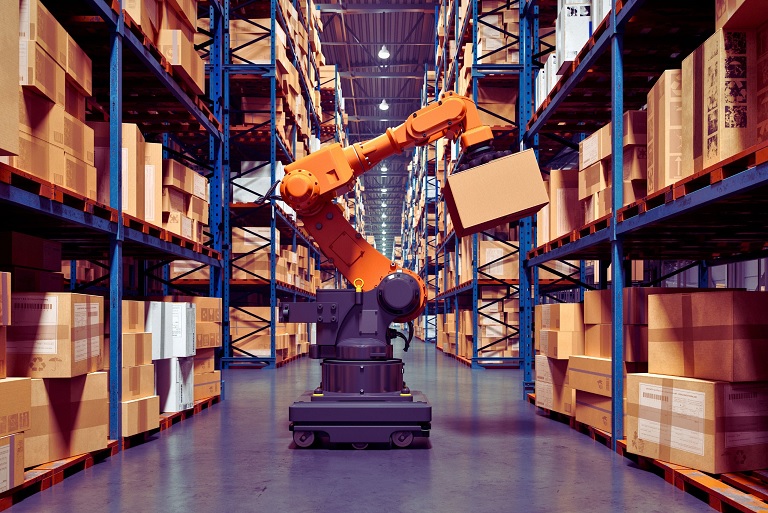
Warehouses require constant movement of inventory from receiving areas to storage locations and eventually to shipping departments. Efficient equipment allows employees to perform these tasks quickly while maintaining accurate inventory management.Forklifts, pallet jacks, and reach trucks help maximize vertical storage by allowing products to be stacked safely at greater heights. This improves warehouse organization while making better use of available floor space. Efficient storage systems also reduce unnecessary travel time, enabling employees to retrieve products more quickly when fulfilling customer orders.During busy seasons, warehouses often experience increased shipping volumes. Having access to dependable equipment allows facilities to maintain productivity even during periods of high demand. Faster loading and unloading processes contribute to improved customer satisfaction while reducing delays throughout the supply chain.
Material Handling in Manufacturing
Manufacturing facilities rely on continuous movement of raw materials, production components, and finished goods. Equipment must transport materials efficiently between storage areas, production lines, assembly stations, and shipping departments without interrupting workflow.Reliable material handling equipment helps maintain consistent production schedules by reducing delays caused by manual transportation. Employees can spend more time focusing on manufacturing processes while equipment handles heavy lifting and transportation tasks.
Efficient movement of materials also contributes to higher product quality. Organized production areas reduce the risk of damaged inventory, misplaced components, and unnecessary production interruptions. Well-planned material handling systems improve workflow from the beginning of production through final shipment.
Improving Safety in Industrial Environments
Safety remains one of the most important considerations when operating industrial equipment. Proper operator training, regular inspections, and routine maintenance help reduce workplace accidents while extending equipment life.Operators should always understand equipment controls, lifting capacities, and recommended operating procedures before beginning work. Overloading equipment or operating it beyond its intended limits creates unnecessary risks that can lead to injuries and property damage.
Routine inspections should include checking tires, brakes, steering systems, hydraulic components, forks, warning lights, and other safety features. Identifying mechanical concerns before operation helps prevent unexpected breakdowns while supporting safe daily performance.Employers should also establish designated travel routes, loading zones, and pedestrian walkways to improve workplace organization. Clear communication between operators and other employees contributes to a safer and more productive work environment.
Choosing Equipment That Matches Business Needs
Selecting the right equipment requires careful evaluation of operational requirements. Businesses should consider the types of materials being moved, average load weights, required lifting heights, available workspace, and operating conditions before making equipment decisions.Indoor facilities often benefit from electric equipment because it operates quietly and produces no exhaust emissions. Outdoor applications may require machines powered by diesel or propane that provide greater lifting power and durability for challenging environments.Future business growth should also be considered when selecting equipment. Choosing solutions that can adapt to expanding operations helps companies avoid unnecessary replacement costs while supporting long-term productivity. Investing in equipment that meets both current and future operational needs creates greater value over time.
Increasing Productivity Through Better Equipment Management
Having dependable equipment available when it is needed helps businesses maintain steady productivity throughout daily operations. Delays caused by unavailable or unreliable machinery can interrupt production schedules, slow warehouse activities, and increase operating costs. Proper equipment management ensures that materials move efficiently between workstations, storage areas, and shipping departments without unnecessary interruptions.Businesses that regularly evaluate their equipment requirements can improve workflow by assigning the right machines to specific tasks. This approach minimizes unnecessary movement, reduces operator fatigue, and allows employees to complete projects more efficiently. Well-planned equipment usage also contributes to better inventory control and faster order fulfillment, helping organizations meet customer expectations while maintaining consistent productivity.
Reducing Operating Costs with Smart Equipment Solutions
Managing operational expenses is a priority for every business, and selecting the right material handling equipment can make a significant difference. Modern machines are designed to improve efficiency while minimizing fuel or energy consumption, reducing maintenance needs, and increasing overall productivity. Businesses that use equipment efficiently often experience lower labor costs because fewer employees are required to move heavy materials manually.Preventive maintenance also plays an important role in controlling expenses. Routine inspections, timely servicing, and proper operator training help extend equipment life while reducing the likelihood of unexpected repairs. Companies that invest in proactive maintenance strategies often experience fewer breakdowns and more reliable day-to-day performance.
Industries That Depend on Material Handling Equipment
Many industries rely on efficient equipment to support their daily operations. Warehouses use forklifts and pallet-moving equipment to organize inventory and prepare shipments. Manufacturing facilities transport raw materials and finished products between production areas to maintain continuous workflow.Construction companies depend on lifting equipment to move heavy building materials safely around active job sites. Retail distribution centers use specialized equipment to unload deliveries, organize inventory, and fulfill customer orders efficiently. Agricultural operations, wholesale suppliers, ports, recycling facilities, and logistics companies also benefit from dependable equipment that improves productivity while reducing manual labor.Because every industry has unique operational requirements, selecting equipment that matches specific applications helps maximize efficiency while supporting long-term business success.
Partnering with an Experienced Equipment Provider
Working with a knowledgeable equipment provider offers businesses more than access to quality machinery. Experienced professionals understand the demands of different industries and can recommend equipment that aligns with operational goals, workload requirements, and workplace conditions. Their expertise helps companies choose machines with the appropriate lifting capacity, performance features, and operating capabilities for each project.Reliable providers also offer ongoing support when equipment needs change. Whether a business requires additional machines during peak seasons or different equipment for a specialized project, professional guidance makes it easier to adapt without disrupting operations. Companies seeking dependable solutions can explore Material Handling Equipment to find equipment designed to improve efficiency, productivity, and workplace safety.Choosing a trusted provider also gives businesses confidence that equipment has been properly inspected and maintained according to industry standards. Well-maintained machinery minimizes downtime while helping organizations complete projects safely and efficiently.
Planning for Long-Term Operational Success
As businesses continue to grow, efficient material handling becomes increasingly important. Expanding facilities, higher production volumes, and increased customer expectations require dependable equipment that can adapt to changing operational demands. Investing in quality machines and implementing effective equipment management strategies helps organizations prepare for future growth while maintaining reliable performance.Businesses should regularly review their operational needs, evaluate equipment performance, and identify opportunities to improve workflow. Continuous improvement allows organizations to remain competitive while maximizing the value of their equipment investments. Proper planning also supports better resource allocation, improved employee productivity, and more consistent customer service.
Conclusion
Efficient material movement is essential for maintaining productivity, improving workplace safety, and supporting business growth across numerous industries. From warehousing and manufacturing to construction and logistics, dependable equipment allows organizations to transport heavy materials safely while streamlining daily operations. Selecting the right machinery, providing proper operator training, and following routine maintenance practices all contribute to greater operational efficiency and long-term success.
Modern material handling equipment provides businesses with the flexibility and performance needed to meet changing operational demands while reducing manual labor and improving workflow. By partnering with experienced equipment providers and implementing smart equipment management strategies, companies can increase productivity, control operating costs, and build a safer, more efficient workplace for years to come.