A traditional wedding is more than a celebration; it is a deeply meaningful event that reflects values, beliefs, and cultural heritage. For many couples, incorporating spiritual traditions into their wedding day brings a sense of continuity, reverence, and purpose to the occasion. These ceremonies often carry symbolic rituals that have been passed down through generations, creating a connection between past, present, and future.
Planning a wedding rooted in tradition requires thoughtful consideration. It involves balancing timeless customs with personal expression, ensuring the ceremony feels authentic while honoring its spiritual significance. When approached with intention, a traditional wedding becomes a powerful expression of love, commitment, and shared belief.
Understanding the Significance of Spiritual Traditions
Spiritual traditions in weddings are often grounded in centuries-old practices that carry symbolic meaning. These rituals can vary widely depending on cultural or religious background, but they typically represent unity, devotion, and the sacred nature of marriage.
Examples include lighting unity candles, exchanging vows in sacred spaces, or participating in rituals such as handfasting or ceremonial blessings. Each act conveys a deeper message, reinforcing the couple’s commitment not just to each other but also to the values that guide their relationship.
Understanding the meaning behind these traditions allows couples to approach them with greater appreciation. Rather than simply following customs, they can engage with each ritual in a way that feels purposeful and genuine. This awareness also helps create a more immersive experience for guests, who can better appreciate the depth and significance of the ceremony.
Blending Personalization With Tradition
While tradition provides a meaningful foundation, modern couples often seek ways to incorporate their personal story into the ceremony. This balance ensures that the wedding feels both authentic to the couple and respectful of its spiritual roots.
Personal touches can be introduced in subtle but impactful ways. Writing personalized vows that align with traditional frameworks, selecting meaningful readings, or incorporating music that reflects shared values are all effective approaches. These elements add individuality without overshadowing the ceremony’s core purpose.
Couples may also choose to include rituals that reflect their unique journey together. Whether it involves honoring a shared experience or incorporating elements from different cultural backgrounds, thoughtful personalization enhances the overall meaning of the event.
The goal is to create harmony between tradition and individuality. When done thoughtfully, this balance allows the ceremony to feel both timeless and deeply personal.
Choosing Meaningful Attire and Symbolic Elements
Attire plays an important role in traditional weddings, often reflecting cultural or religious symbolism. From the design of the wedding dress to the colors chosen, these elements can carry significant meaning. Grooms and partners may also select attire that aligns with tradition while incorporating modern touches.
Jewelry is another important aspect of the ceremony. Rings, in particular, symbolize unity and eternal commitment. Selecting pieces that reflect both tradition and personal style can enhance their significance. Some couples opt for classic designs, while others choose contemporary interpretations that still honor the symbolism. For example, thoughtfully selected mens wedding bands can reflect cultural heritage or personal values, making them more than just an accessory.
Beyond attire, other symbolic elements—such as flowers, décor, and ceremonial objects—can contribute to the overall atmosphere. Each detail offers an opportunity to reinforce the spiritual theme of the wedding while creating a visually cohesive experience.
Creating a Ceremony That Encourages Connection
A traditional wedding ceremony is often designed to bring people together in a meaningful way. It creates an environment where guests can witness and support the union, fostering a sense of shared participation.
Incorporating moments of reflection, prayer, or guided intention can deepen this sense of connection. These elements encourage attendees to engage with the ceremony on a more thoughtful level, transforming them from observers into active participants.
Including family members in the ceremony can also enhance its significance. Roles such as readings, blessings, or symbolic acts allow loved ones to contribute in meaningful ways. This involvement reinforces the idea that marriage is supported by a broader community.
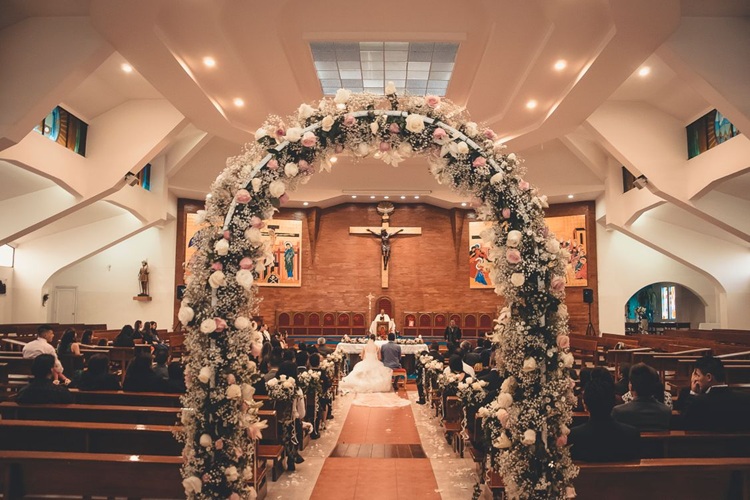
The setting itself can further amplify the sense of connection. Choosing a venue that holds spiritual or cultural significance—such as a place of worship or a meaningful outdoor location—adds depth to the experience and aligns with the ceremony’s purpose. To ensure the day unfolds seamlessly in these beautiful settings, securing special event insurance provides valuable peace of mind, allowing the couple and their families to focus entirely on celebrating their sacred union.
Preserving Traditions for Future Generations
One of the most meaningful aspects of a traditional wedding is its ability to preserve cultural and spiritual heritage. By embracing these customs, couples contribute to the continuation of practices that have shaped their identity and values.
Documenting the ceremony through photography, video, or written reflections allows these traditions to be shared with future generations. These records become part of a family’s history, offering insight into the significance of the rituals and the love they represent.
At the same time, traditions can evolve to remain relevant. Couples may adapt certain elements to reflect their values while maintaining the essence of the ritual. This approach ensures that traditions remain meaningful and accessible, rather than feeling rigid or outdated.
Passing down these experiences creates a sense of continuity and belonging. It reminds future generations of the importance of honoring their roots while embracing their own paths.
Conclusion
Planning a traditional wedding centered on spiritual meaning is an opportunity to celebrate both love and heritage. By understanding the significance of rituals, blending them with personal touches, and creating a meaningful experience for everyone involved, couples can craft a ceremony that feels both timeless and authentic.
These weddings carry a depth that extends beyond the day itself. They serve as a reflection of shared values, a connection to tradition, and a foundation for the future. With thoughtful planning and intention, a traditional wedding becomes more than a celebration—it becomes a lasting expression of commitment, identity, and meaning.