Running a business comes with plenty of responsibilities, and keeping your property safe sits near the top of the list. Whether you manage a busy warehouse, a multi-tenant building, or a small office, the right protection can prevent theft, deter break-ins, and give you genuine peace of mind.
Modern technology has changed what business protection looks like. Cloud connectivity, mobile access, and smart cameras now make it possible to watch over your site from anywhere. In this guide, we’ll walk through the main components of a strong setup, how they work together, and what to think about before you invest.
Why business protection matters more than ever
Commercial properties face a wide range of risks, from break-ins and vandalism to internal theft and unauthorized access. A single incident can cost thousands in lost stock, damaged equipment, and downtime. For warehouses, apartment complexes, and industrial sites, the stakes climb even higher because there’s more ground to cover and more people coming and going.
A well-planned setup does more than react to trouble. It helps you stop problems before they start. Cameras discourage would-be intruders. Controlled entry keeps the wrong people out. Alarms alert you the moment something goes wrong. Together, these tools build layers of defense that are tough to get past.
The core components of a strong setup
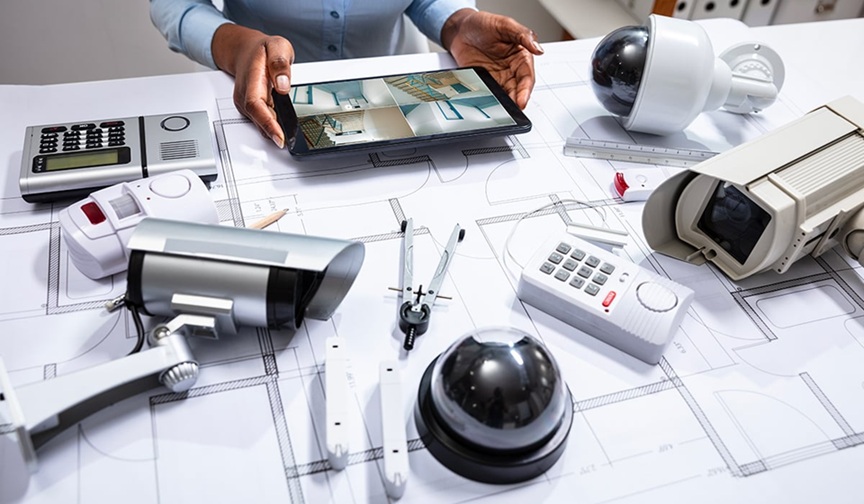
Most effective solutions combine several technologies. Each one plays a specific role, and they work best when integrated into a single, easy-to-manage system.
Access control
Access control decides who gets into your building and when. Instead of relying on traditional keys that can be copied or lost, you can use keypads, card readers, and wireless locks to manage entry. This is especially useful for restricting staff-only areas, server rooms, or storage zones.
The real benefit is visibility. You can see who entered, which door they used, and at what time. If an employee leaves the company, you simply deactivate their credentials—no need to change every lock in the building.
CCTV and surveillance cameras
Cameras give you eyes across your entire property. Today’s IP camera systems deliver sharp footage, easy playback, and real-time monitoring you can check from your phone. Some setups even include AI-enabled features that send alerts when they detect unusual activity.
Good camera coverage should include entrances, perimeters, loading docks, and key internal areas. Clear footage helps you respond quickly to incidents and provides valuable evidence if you ever need it.
Intercom systems
Intercoms manage entry at doors, gates, and vehicle access points. When integrated with access control, they let staff verify visitors before granting entry. This adds a helpful layer of screening, particularly for sites with frequent deliveries or restricted parking areas.
Alarm systems
Alarms protect your property when no one is around. With motion detection and real-time alerts, they notify you the instant something seems off. Proper setup, training, and ongoing maintenance keep these systems reliable and effective over the long term.
How integration brings it all together
The biggest advantage of a modern approach is integration. When access control, cameras, intercoms, and alarms talk to each other, you get a complete picture of what’s happening on your site. A single dashboard lets you control roll-up doors, view live feeds, and receive alerts—all in one place.
Cloud and mobile technology make this even more powerful. You can lock a door, check a camera, or grant temporary access from your phone, whether you’re at home or across the country. For business owners juggling multiple sites, this kind of remote control is a game-changer.
Quality commercial security systems are designed around your specific property rather than a one-size-fits-all template. A warehouse has very different needs than an apartment office, and a smart setup reflects that.
What to consider before you invest
Before choosing a solution, take time to assess your property and goals. Here are a few practical questions to guide your planning:
- Which areas need the most protection? Identify high-value zones, entry points, and blind spots.
- How many people need access, and at what levels? This shapes your access control plan.
- Do you need remote monitoring? Cloud-based systems are ideal if you travel or manage several locations.
- What’s your budget? A tailored solution can balance cost with the coverage you truly need.
- Will the system grow with you? Choose technology that can scale as your business expands.
Working with an experienced provider helps you avoid common pitfalls. Professional installation ensures cameras are positioned correctly, access points are secured, and every component works smoothly together.
Tailoring protection to your industry
Different industries call for different approaches. A warehouse may need access control on roll-up doors, intercoms for delivery drivers, and wide-angle cameras across the floor. An apartment building might focus on secure entry for residents and monitoring of shared spaces. Industrial sites and docks often require rugged equipment that holds up in harsh conditions.
The best commercial security systems adapt to these realities. By matching the technology to the environment, you get protection that actually fits how your business operates day to day.
Taking the next step toward a safer business
Protecting your premises is one of the smartest investments you can make. A thoughtful combination of access control, CCTV, intercoms, and alarms creates a defense that’s hard to beat—and modern, cloud-connected tools make managing it all easier than ever.
Start by reviewing your current setup and noting any gaps. From there, reach out to a trusted local provider who can assess your needs and recommend a solution built around your property. With the right plan in place, you can focus on running your business, knowing your people and assets are well protected.
Frequently asked questions
What is the difference between access control and an alarm system?
Access control manages who can enter your building and when, using tools like keypads, card readers, and wireless locks. An alarm system detects unwanted activity—such as motion after hours—and sends alerts. Many businesses use both for layered protection.
Can I monitor my business property from my phone?
Yes. Cloud-based and mobile-enabled solutions let you view live camera feeds, lock or unlock doors, and receive real-time alerts from anywhere. This is especially handy for owners managing multiple sites or traveling often.
How do I know which setup is right for my business?
Start by identifying your highest-risk areas, the number of people who need access, and whether you want remote monitoring. A professional provider can assess your property and recommend a tailored plan that fits your needs and budget.
Are these systems suitable for warehouses and industrial sites?
Absolutely. Warehouses, shipyards, and industrial properties often benefit from integrated access control, wide-coverage cameras, and rugged equipment built for demanding environments. The setup can be customized to handle large spaces and high-traffic areas.