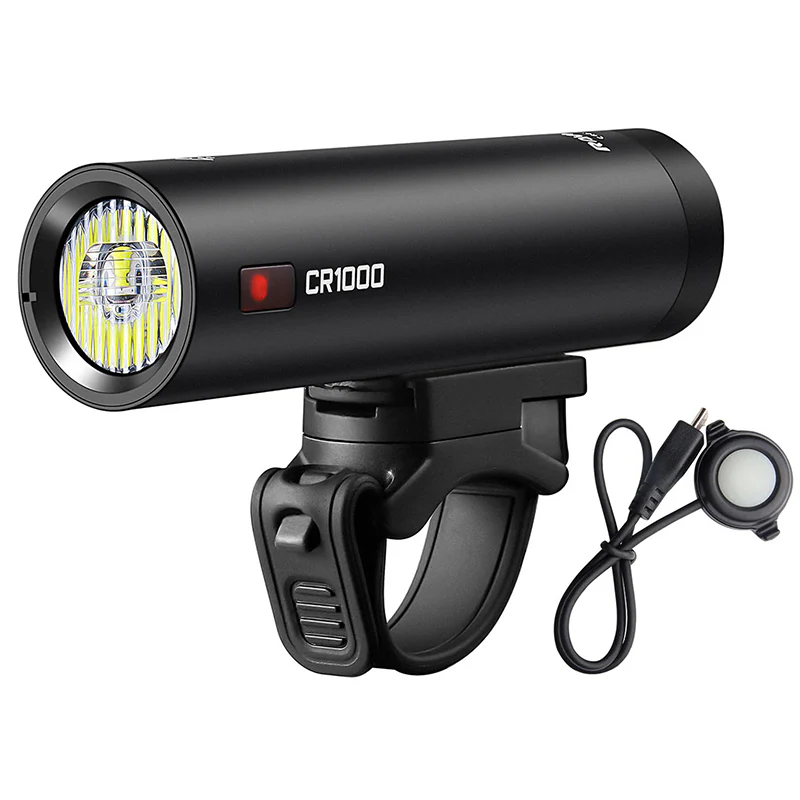
Cycling is not a one-size-fits-all activity. The experience of riding on smooth city roads is completely different from navigating rough mountain trails. Because of this, your lighting needs will also vary depending on where you ride. Whether you’re commuting through traffic or exploring off-road paths, choosing between road bike lights and mountain bike lights can greatly impact your safety and performance.
Understanding the differences between these two types of lighting will help you make a smarter and more practical decision.
Why Terrain Matters When Choosing Bike Lights
The surface you ride on plays a major role in determining the type of lighting you need. Road cyclists usually deal with paved surfaces, predictable routes, and sometimes street lighting. In contrast, mountain bikers face uneven terrain, complete darkness, and unexpected obstacles.
Because of these differences, road bike lights are designed for visibility and efficiency, while mountain bike lights focus on power and coverage. Using the wrong type of light for your environment can reduce visibility and increase the risk of accidents.
Road Bike Lights: Built for Speed and Efficiency
Road bike lights are designed to complement fast-paced cycling on smooth surfaces. These lights are typically lightweight, compact, and aerodynamic. Since road cyclists often prioritize speed, having a streamlined lighting setup is important.
One of the key features of road bike lights is their focused beam. This allows riders to see clearly ahead without wasting light on unnecessary areas. The beam is usually optimized for straight roads, helping cyclists maintain a steady and safe pace.
Another advantage is battery efficiency. Road bike lights are often built to last longer on moderate brightness levels, making them ideal for daily commuting or long-distance rides on paved roads.
Mountain Bike Lights: Designed for Power and Control
Mountain biking presents a completely different challenge. Trails are often dark, unpredictable, and filled with obstacles such as rocks, roots, and sharp turns. This is where mountain bike lights truly shine.
Unlike road bike lights, mountain bike lights are built for maximum brightness and wide coverage. They illuminate not just the path ahead but also the surrounding area, giving riders better control over their movements.
These lights are often more powerful, with higher lumen output, allowing riders to react quickly to sudden changes in terrain. Many mountain bikers even use dual-light setups—one on the handlebar and another on the helmet—for enhanced visibility.
Beam Pattern: Focus vs Spread
One of the biggest differences between road bike lights and mountain bike lights is the beam pattern.
Road bike lights typically use a narrow and focused beam. This design helps direct light exactly where it’s needed—on the road ahead—without distracting other road users.
Mountain bike lights, on the other hand, use a wider beam pattern. This spreads light across a larger area, making it easier to see obstacles on the sides of the trail. This wider coverage is essential for maintaining balance and control in off-road conditions.
Brightness Levels and Performance Needs
Brightness requirements vary greatly between road and mountain cycling. For road biking, moderate brightness is usually sufficient, especially in areas with street lighting. The goal is to enhance visibility without overwhelming other road users.
In mountain biking, higher brightness levels are necessary due to the lack of external lighting. A powerful light helps riders see deeper into the trail and navigate safely through challenging terrain.
However, higher brightness often means higher battery consumption. This is why mountain bike lights are designed with larger batteries or multiple power settings.
Durability and Build Quality
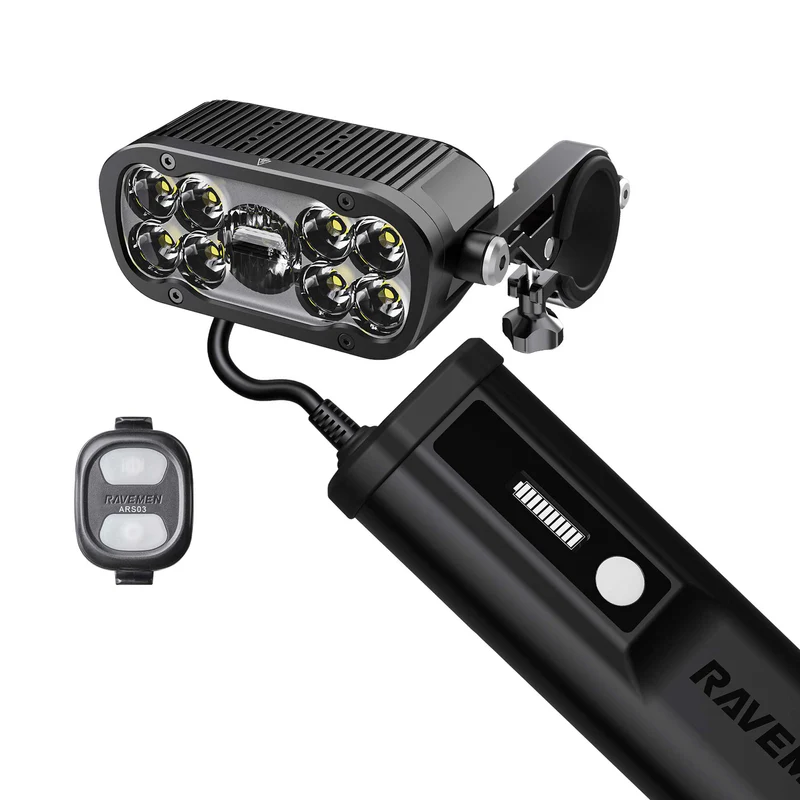
Mountain biking is physically demanding, and the equipment must be able to handle rough conditions. Mountain bike lights are typically built with stronger materials to withstand impacts, vibrations, and exposure to dirt and water.
Road bike lights, while still durable, focus more on lightweight construction and sleek design. Since road conditions are generally smoother, extreme durability is less of a concern compared to mountain biking.
Battery Life and Ride Duration
Battery performance is another important factor to consider. Road bike lights are optimized for longer battery life at moderate brightness levels. This makes them suitable for extended rides and daily use.
Mountain bike lights, due to their higher power output, may have shorter battery life on maximum settings. However, many models offer adjustable modes to balance brightness and battery usage.
For longer trail rides, carrying extra batteries or a backup light is often recommended.
Choosing the Right Light for Your Riding Style
The best lighting choice depends entirely on your riding habits. If you primarily ride on city roads or highways, road bike lights are the better option. They provide efficient lighting without adding unnecessary weight or bulk.
If you enjoy off-road adventures or frequently ride on trails, mountain bike lights are essential. Their powerful output and wide coverage ensure you can handle even the most challenging conditions.
Some cyclists use a combination of both, especially if they switch between road and trail riding. This hybrid approach offers flexibility and ensures optimal visibility in all environments.
Final Thoughts
Choosing between road bike lights and mountain bike lights is not just about preference—it’s about matching your equipment to your environment. Each type of light is designed with a specific purpose in mind, and using the right one can significantly improve your safety and riding experience.
Road bike lights excel in efficiency, speed, and streamlined performance, while mountain bike lights provide the power and coverage needed for rough terrain. By understanding these differences, you can invest in a lighting setup that supports your cycling goals and keeps you safe on every ride.
No matter where you ride, the right lighting is your best companion. Make the smart choice, and enjoy every journey with confidence and clarity.