Every restaurant, cafeteria, hotel kitchen, and food processing plant produces fats, oils, and grease (FOG). Poured down a drain, this waste cools, hardens, and clings to pipes. Over time, it causes slow drains, foul odors, backups, and costly plumbing repairs. Municipal sewer systems suffer too, which is why many cities require food service businesses to maintain grease traps and interceptors on a regular schedule.
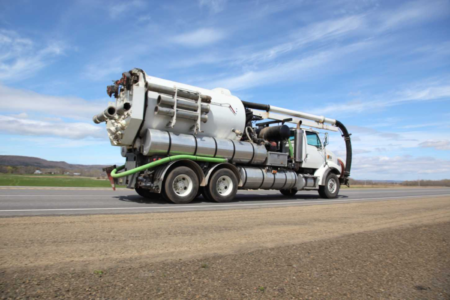
The equipment that makes this possible is the grease vacuum truck. This specialized vehicle removes thick, messy waste from traps and tanks and carries it away for proper handling. If you operate a commercial kitchen or manage a facility, understanding how a grease vacuum truck collects and transports waste can help you plan service, stay compliant, and avoid expensive surprises.
This guide walks through the equipment, the step-by-step collection process, how waste is transported and disposed of, and what to expect when you schedule service.
What Is a Grease Vacuum Truck?
A grease vacuum truck is a heavy-duty vehicle built to pump, store, and haul liquid and semi-solid waste. It is designed for the thick, sticky material that standard pumping equipment struggles to move. Most units combine a powerful vacuum pump, a sealed storage tank, and a set of hoses and fittings that let the operator reach grease traps, interceptors, and holding tanks in many different locations.
These trucks serve a wide range of customers:
- Restaurants and fast food locations
- Hotels, resorts, and catering kitchens
- Schools, hospitals, and senior living facilities
- Food manufacturing and processing plants
- Grocery stores with prepared food departments
- Municipal and industrial facilities with oil and grease separators
The goal is not just to remove waste. A well-run service keeps your plumbing working, protects public sewer lines, and ensures that waste ends up at a facility licensed to handle it.
Key Components of a Grease Vacuum Truck
Understanding the parts of the truck makes the collection process easier to follow.
The vacuum pump. This is the heart of the system. It creates strong suction that pulls waste from a trap or tank through the hose and into the truck. Most trucks use either a positive displacement blower or a liquid ring pump, both of which can handle heavy, viscous material.
The storage tank. Waste is held in a sealed, steel tank mounted on the truck frame. Tank sizes vary, and many trucks carry several thousand gallons. Some tanks are divided into compartments so operators can keep different waste types separate.
Hoses and fittings. Flexible, reinforced suction hoses connect the truck to the customer’s grease trap or tank. They come in different lengths and diameters so operators can reach basements, back lots, and underground vaults.
Safety and monitoring equipment. Overfill protection, pressure relief valves, sight gauges, and secure lids help prevent spills and keep the operator safe.
Optional heating and water systems. Cold grease becomes thick and stiff. Some trucks include heating elements, steam, or hot water systems that loosen hardened material so it can be pumped efficiently. Many also carry a water tank for rinsing and cleaning.
How a Grease Vacuum Truck Collects Waste
The collection process follows a consistent series of steps. While details vary by company and site, a professional service usually looks like this.
Step 1: Arrival and Site Assessment
The operator arrives, parks in a position that gives safe access to the trap or tank, and checks the area for hazards. They locate the access point, which may be a floor hatch inside a kitchen or a manhole cover outside the building. Good operators also set up cones or barriers when working in parking lots or near foot traffic.
Step 2: Opening and Inspecting the Trap
Once the lid is removed, the operator inspects the grease trap or interceptor. They look at the thickness of the grease layer, the level of solids, and the condition of baffles, inlet pipes, and outlet pipes. This inspection can reveal problems such as cracks, missing parts, or excessive buildup that suggests the trap is being serviced too infrequently.
Step 3: Connecting the Hose
The operator runs a suction hose from the grease vacuum truck to the access point and secures the connection. Hose length and routing are planned to avoid tripping hazards and to keep the hose from kinking, which would reduce suction.
Step 4: Vacuuming the Contents
With the hose in place, the operator engages the vacuum pump. A grease trap typically contains three layers:
- A floating layer of fats, oils, and grease on top
- A middle layer of wastewater
- A bottom layer of settled solids and food particles
A thorough service removes all three layers rather than skimming only the top. Pumping out just the grease and leaving the sludge behind is a common shortcut that leads to faster buildup and repeat problems.
Step 5: Cleaning the Trap
After the bulk of the waste is removed, the operator scrapes the walls, baffles, and lid to dislodge stuck-on grease. Some crews use a high-pressure water wand to rinse the interior, then vacuum the rinse water to be sure nothing remains. Clean surfaces help the trap work properly between visits.
Step 6: Reassembly and Documentation
The operator checks that baffles and fittings are in place, replaces the lid, and refills the trap with clean water if required. The service ends with paperwork. Many jurisdictions require a manifest or service record showing the date, the volume removed, and where the waste will be taken. Keep these records on file, because inspectors may ask to see them.
How Waste Is Transported
After collection, the grease vacuum truck becomes a mobile storage and transport unit. Several features and practices keep the trip safe and compliant.
Sealed tanks prevent leaks and odors. The waste stays inside a closed, vacuum-rated tank for the entire trip. Valves are locked, lids are latched, and hoses are drained and stowed before the truck leaves the site.
Weight limits matter. Grease and wastewater are heavy, and a full tank can push a truck close to its legal road weight. Operators track how much they have collected and plan routes so the truck stays within limits.
Drivers need proper training and licensing. In many areas, drivers must hold commercial driver’s licenses, and companies must carry waste hauler permits. Haulers also follow state and local rules about where trucks can travel and how waste must be documented.
Route planning improves efficiency. Many companies group several customers into a single route, filling the tank gradually and heading to the disposal facility only when it is nearly full. This reduces fuel use and keeps service costs down.
What Happens to the Waste After Transport
Collected grease does not simply disappear. Responsible haulers deliver it to licensed facilities that process it in approved ways. Common destinations include:
- Wastewater treatment plants with dedicated receiving stations for hauled waste
- Grease recycling and rendering facilities that separate usable fats and oils from water and solids
- Biodiesel and biofuel producers that convert certain grease types into renewable fuel
- Anaerobic digesters that break down organic waste to produce biogas and energy
Recycling has become increasingly common because grease still contains valuable energy. Turning it into fuel or biogas keeps it out of landfills and sewers, and it supports sustainability goals for businesses that care about their environmental footprint.
At the receiving facility, the load is typically weighed, logged, and tested or inspected before it is unloaded. This documentation completes the chain of custody and proves the waste was handled legally.
Why Regular Service Matters
Hiring a grease vacuum truck on a regular schedule protects both your business and your community. The benefits include:
- Fewer clogs and backups. Clean traps keep wastewater flowing freely.
- Lower odors. Decomposing grease creates strong, unpleasant smells that can drive customers away.
- Regulatory compliance. Many cities require traps to be pumped at set intervals, often when they reach 25 percent capacity or every 30 to 90 days.
- Avoided fines. Violations of local FOG ordinances can result in penalties and mandatory repairs.
- Longer plumbing life. Preventing buildup reduces corrosion and wear on pipes and equipment.
- Protection for public infrastructure. Grease is a leading cause of sanitary sewer overflows, which harm waterways and neighborhoods.
Skipping service may save money in the short term, but an emergency backup during a busy dinner rush will cost far more in lost revenue, cleanup, and repairs.
Tips for Choosing a Grease Vacuum Truck Service
Not all haulers are equal. When comparing providers, consider the following:
- Licensing and insurance. Confirm that the company holds required permits and carries adequate liability coverage.
- Disposal practices. Ask where the waste goes and whether the company provides manifests or disposal receipts.
- Full-cleaning policy. Make sure the technician removes grease, water, and solids rather than only skimming the surface.
- Scheduling flexibility. Look for recurring service plans as well as emergency response.
- Experience with your facility type. A hotel kitchen and a large manufacturing plant have different needs.
- Clear pricing. Ask whether fees are based on tank size, volume pumped, or a flat rate, and whether extra charges apply for difficult access.
A reliable partner will also recommend an appropriate pumping schedule based on your trap size and kitchen volume, rather than pushing a one-size-fits-all plan.
Frequently Asked Questions
How often should a grease trap be pumped?
Many jurisdictions require pumping every 30 to 90 days, or sooner when the trap reaches 25 percent full of grease and solids. High-volume kitchens may need service monthly or even more often.
How long does a service visit take?
Most routine visits take 30 minutes to two hours, depending on trap size, how much waste has built up, and how easy the access point is to reach.
What is the difference between a grease trap and a grease interceptor?
A grease trap is usually a smaller unit installed inside a kitchen. A grease interceptor is a larger, often underground tank located outside the building. Both capture FOG before it enters the sewer, and both are serviced by a grease vacuum truck.
Can I pump my own grease trap?
Small traps are sometimes cleaned in-house, but the waste still must be disposed of legally. Dumping it in a dumpster or drain is typically prohibited. Most businesses hire a licensed hauler to avoid compliance risks.
What happens to the grease that is collected?
It is taken to a licensed facility where it may be recycled into biofuel, rendered into industrial products, processed for energy, or treated at a wastewater plant.
Will the service make a mess or smell in my kitchen?
Professional crews work carefully with sealed hoses and protective coverings to limit spills and odors. A short-lived smell may occur while the trap is open, but it should fade quickly once the service is complete.
Do I need to be present during service?
Not always, but it helps. Being on site lets you answer questions, show the crew where the trap is located, and sign the service record afterward.
What can I do to reduce grease buildup between visits?
- Scrape plates and cookware into the trash before washing
- Use sink strainers to catch food solids
- Never pour cooking oil down a drain, and recycle used fryer oil instead
- Train staff on proper kitchen waste practices
- Schedule regular inspections to catch problems early
What does a grease vacuum truck service cost?
Pricing depends on trap size, location, frequency, and disposal fees. Recurring contracts often cost less per visit than one-time or emergency calls, so it pays to plan ahead.
Conclusion
A grease vacuum truck does far more than pump out a smelly tank. It uses powerful suction, sealed storage, and carefully documented procedures to remove fats, oils, and grease from your property, transport the waste safely, and deliver it to facilities that can recycle or treat it responsibly. For restaurants and food service operations, regular service is one of the simplest ways to prevent plumbing disasters, meet local regulations, and protect the sewer system everyone relies on.
If you manage a commercial kitchen, take a look at your current pumping schedule and records. Choosing a reputable provider and sticking to a consistent plan will keep your drains flowing, your business compliant, and your operations running smoothly.