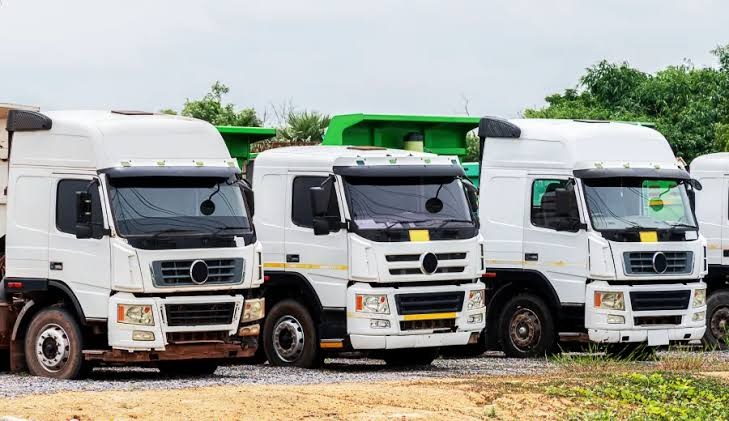
Introduction to Modern Commercial Vehicle Storage Needs
The transportation industry continues to expand as businesses rely on efficient freight movement and dependable logistics systems. With more commercial vehicles operating on highways and supply routes, the need for organized storage and resting areas has become increasingly important. Large vehicles require dedicated spaces that provide safety, convenience, and proper management to support daily operations. Drivers spend extended hours traveling, making access to secure stopping areas essential for maintaining productivity and reducing risks. Modern vehicle storage solutions are designed to address these challenges by creating structured environments where drivers and fleet operators can manage their vehicles effectively. The development of professional semi truck parking facilities has become a significant part of improving transportation systems and supporting the growing demands of the logistics industry.
The Increasing Demand for Better Vehicle Management
As freight transportation grows, traditional stopping methods are often unable to meet the requirements of modern commercial vehicles. Large trucks need wider spaces, stronger surfaces, and better organization compared to smaller vehicles. Without proper facilities, drivers may face difficulties finding safe places to stop, which can lead to delays, security concerns, and operational challenges. Businesses depend on reliable solutions that allow drivers to follow schedules while protecting valuable equipment. Efficient vehicle management systems help reduce unnecessary complications and create smoother transportation processes. The demand for improved infrastructure continues to increase as industries focus on faster deliveries, safer operations, and better resource management.
Importance of Proper Facility Design and Planning
A well-designed commercial vehicle facility requires careful planning and attention to multiple factors. The layout should allow large vehicles to move easily while preventing congestion and confusion. Proper entry and exit routes, clear markings, and sufficient space are essential for creating a functional environment. Strong surfaces are necessary to handle the weight and frequent movement of heavy vehicles, while effective lighting improves visibility during different conditions. Security features also play an important role in protecting vehicles and equipment. A professionally planned semi truck parking area considers the needs of drivers, fleet operators, and future transportation demands to create a long-lasting and efficient solution.
Enhancing Safety for Drivers and Vehicles
Safety is one of the most important aspects of commercial vehicle management. Drivers often travel long distances and require secure locations where they can rest and manage their vehicles without unnecessary concerns. Organized facilities reduce risks by providing controlled movement areas and improved visibility. Security systems, monitoring equipment, and proper access management help protect valuable assets. Safe environments also allow drivers to take necessary breaks, which supports better focus and reduces fatigue-related risks. By prioritizing safety, transportation companies can improve working conditions while ensuring that vehicles remain protected throughout their operations.
The Role of Technology in Modern Transportation Solutions
Technology has transformed how commercial vehicle facilities are managed and operated. Advanced systems now help monitor available spaces, improve communication, and provide better control over daily activities. Digital platforms can assist drivers in locating suitable areas while helping operators manage resources more efficiently. Automated access systems, smart monitoring tools, and data-based planning allow facilities to improve performance and respond to changing needs. Technology also supports better decision-making by providing valuable information about usage patterns. As transportation continues to evolve, integrating modern solutions will become increasingly important for creating efficient and user-friendly vehicle storage environments.
Benefits for Fleet Operators and Logistics Businesses
Reliable vehicle storage solutions provide significant advantages for companies involved in transportation and logistics. Fleet operators benefit from improved organization, reduced delays, and better control over vehicle management. When drivers have access to dependable facilities, companies can maintain smoother schedules and improve overall productivity. Proper storage solutions also help protect expensive equipment from unnecessary risks. Businesses can reduce operational challenges by investing in infrastructure that supports their transportation activities. Efficient vehicle management creates long-term value by improving workflow, increasing reliability, and helping companies meet the expectations of customers and supply chain partners.
Supporting Driver Comfort and Operational Efficiency
Drivers are a crucial part of the transportation industry, and their comfort directly affects safety and performance. Long hours on the road require suitable environments where drivers can rest and prepare for future routes. Organized facilities provide better conditions by offering secure spaces, convenient access, and improved surroundings. When drivers have reliable stopping options, they can manage their schedules more effectively and maintain better concentration. Supporting driver needs contributes to safer transportation operations and improved productivity. Quality facilities demonstrate the importance of creating solutions that benefit both transportation companies and the professionals who keep supply chains moving.
Maintenance and Long-Term Facility Performance
Regular maintenance is necessary to keep commercial vehicle facilities safe and effective over time. Heavy vehicles place significant pressure on surfaces, making inspections and repairs essential. Maintenance tasks may include repairing damaged areas, updating road markings, improving drainage, and checking security systems. Proper upkeep prevents small problems from becoming larger issues that affect usability and safety. A well-maintained semi truck parking facility provides a better experience for users and helps extend the lifespan of the infrastructure. Consistent maintenance reflects professionalism and ensures that facilities continue to support transportation needs efficiently.
Sustainable Approaches for Future Development
Environmental responsibility has become an important factor in modern infrastructure planning. Commercial vehicle facilities can support sustainability through improved designs, energy-efficient systems, and responsible resource management. Better drainage solutions, environmentally friendly materials, and reduced energy consumption can help minimize environmental impact. Sustainable planning also improves long-term efficiency by reducing unnecessary waste and supporting better resource use. As industries continue to focus on greener operations, transportation infrastructure must adapt to these expectations. Future vehicle management solutions will likely combine practical functionality with environmentally responsible approaches.
Economic Advantages of Efficient Vehicle Storage
Investing in professional vehicle storage solutions provides economic benefits for businesses and communities. Efficient facilities help reduce delays, improve transportation reliability, and support stronger supply chain operations. Companies can save time and resources when drivers have access to organized and secure locations. Better infrastructure also increases the value of commercial developments by supporting transportation-related activities. A reliable system helps businesses operate more effectively while improving overall logistics performance. These advantages show why vehicle management solutions are an important investment for the future of transportation.
Preparing for Future Transportation Challenges
The transportation industry continues to change due to increasing demand, technological advancements, and evolving operational requirements. Future vehicle storage solutions must be flexible enough to support new challenges and opportunities. Facilities will need to incorporate advanced technology, improved safety measures, and adaptable designs. Planning for future needs allows businesses to maintain efficiency as transportation patterns change. A modern semi truck parking system can provide long-term benefits by supporting growth and improving operational readiness. Strategic development ensures that transportation infrastructure remains valuable and effective for years to come.
Improving Logistics Through Better Infrastructure
Efficient vehicle management contributes directly to stronger logistics operations. When drivers have access to organized facilities, transportation schedules become easier to maintain and unnecessary delays can be reduced. Better infrastructure supports smoother movement of goods and improves reliability throughout supply chains. Businesses benefit from improved planning, while drivers experience fewer challenges during their journeys. Creating effective vehicle storage environments requires a combination of thoughtful design, advanced technology, and continuous improvement. These factors work together to create transportation systems that are safer, more efficient, and better prepared for future demands.
Conclusion: Building the Future of Commercial Vehicle Management
The future of transportation depends on reliable systems that support drivers, businesses, and supply chains. Well-designed vehicle storage solutions improve safety, increase efficiency, and provide valuable support for modern logistics operations. These facilities have evolved beyond simple stopping areas and have become essential components of effective transportation management. Through strategic planning, innovative technology, and regular maintenance, commercial vehicle facilities can continue to meet growing industry needs. Investing in better infrastructure today helps create a safer, more organized, and more productive transportation future for businesses and drivers alike.