
Modern Australians face hundreds of choices per day, and it’s no wonder that somewhere between social media, streaming services, and online shops, our brains get decision-fatigued. When overloaded, we often freeze up and avoid making decisions altogether. Big choices like switching banks or buying a new phone feel even harder and more exhausting. That is why small, reversible options feel safe, cheap to try, and easy to undo if you change your mind.
For the decision-overwhelmed majority, playing at a 5 minimum deposit casino means a manageable investment that’s both exciting and safe. You can test the experience without pressure. The same psychology shows up in premium services online. From free trials to cheap app subscriptions, small entry points help us move forward when we feel stuck. But are these tiny choices truly helping us, or just keeping us hooked? Our expert team at AuCasinosList explored how small decisions can affect our digital lives.
Overloaded by Choices: What Happens to Our Brains
Imagine walking into a supermarket with 50 different types of pasta sauce. This may feel excellent at first, but then you start comparing prices, reading ingredients, and checking sugar content. After a few minutes, buying pasta sauce feels like more effort than it’s worth, and then you’re faced with two options: grabbing the first jar you see or walking away without buying anything.
That is exactly what happens in our online ventures, with one major difference: the supermarket is never closed. Every day, Australians are bombarded with notifications, ads, emails, and links. Your phone buzzes. A pop-up asks for feedback. Two streaming services recommend different movies. A sale ends in three hours, and before you know it, your brain is fried.
This is what psychologists call decision fatigue — the depletion of mental energy after making too many choices. And when you are tired, you stop thinking clearly. You either rush into a bad decision or avoid making one altogether.
The digital world makes this worse because choices never stop. There is always another tab, another scroll, another “Buy Now” button. In that state of overload, big commitments feel terrifying. That’s exactly why people start looking for tiny, low-risk decisions instead.
Going Small: The Smartest Decision Hack
“Two things make small choices feel easy and good: low cost and easy reversal. Low cost means you don’t risk much, whether that’s $5, five minutes, or five clicks. If it goes wrong, you have not lost anything important. Your rent is still paid, your weekend is still not ruined, and you can just shrug it off and move on. That sense of safety removes hesitation and makes saying ‘Yes’ feel automatic for most people,” explains Lola Henderson, an author and gambling expert at AuCasinosList.
“Easy reversal means you can undo this decision without punishment. No locked-in contract, no cancellation fees. Just a simple stop button or an expired trial that quietly ends. When both things are true, the brain relaxes. The pressure disappears. You are no longer making a big life choice; you’re just testing the water.”
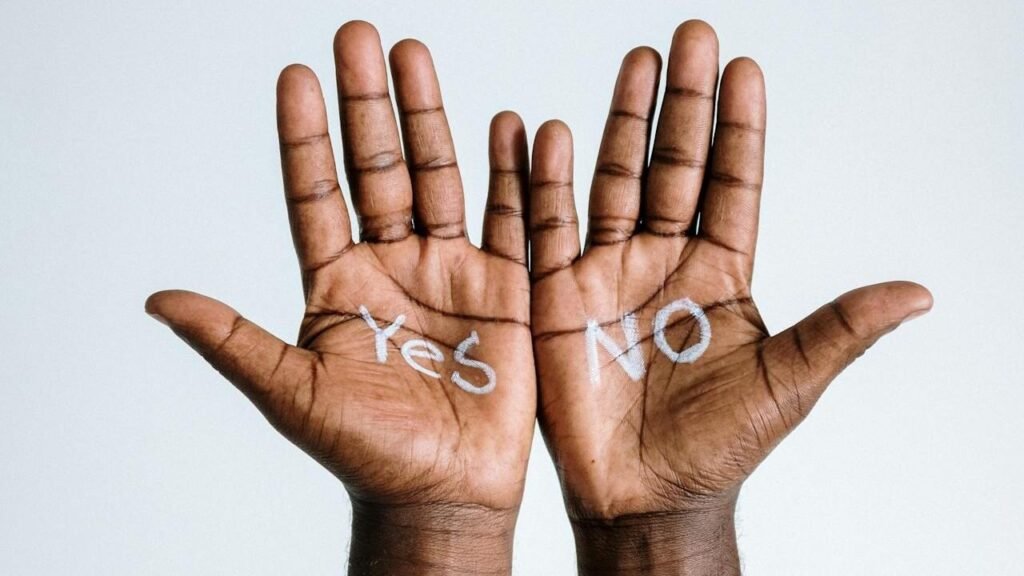
Digital businesses know this very well. They offer free trials, cheap first orders, and low minimum engagement. These offers are designed to make you feel safe enough so you say “Yes” quickly. However, once inside, some may stay longer than planned, especially if you accept too many of these things.
Decisions That Can Drain Your Brain and Wallet
Small reversible choices may seem harmless, but over time they can quietly pile up. If you sign up for a free trial here and there, you can easily forget to unsubscribe before payment is due. Here, the real cost is not just money but also mental energy. Your brain has to track renewal dates, check bank statements, and remember passwords just to cancel things. This is also exhausting, which is why so many Australians just let subscriptions run.
Recently, however, the fear of forgetting to unsubscribe may paralyse potential customers. One-off deals are, therefore, making a quiet comeback. Paying once and owning it forever with no renewal, reminders, or fees is once again popular. In an overwhelming subscription-based digital service, a small, simple one-time purchase is the ultimate mental health-friendly choice.
Daily Choices Reshape Australia’s Digital Habits
The average Australian household now holds three streaming subscriptions, increasing monthly digital entertainment spending, but here’s the twist: Customers are actually spending less time watching them. Weekly media consumption fell by 3.5% in 2025. So people are paying more but watching less. Why? Because small monthly fees are reversible, and they can be cancelled next month if money gets tight.
The overall online market follows this trend too. Australians spent a record $82.6 billion online in 2025, with 9.8 million households making digital purchases. Here, the interesting part is that the average basket actually dropped to its lowest in a decade. This means Australians are buying more often but spending less each time — a classic small choice strategy.
What also boosts the popularity of small choices is the rising cost of living. When every dollar counts, low stakes and reversible choices become the only ones that feel safe.
Tiny Decisions — Huge Relief
Faced with an overwhelming number of offers, services, and entertainment each day, Australians prefer small, reversible choices to conserve their mental energy. That $10 streaming subscription depicts a bigger principle: low stakes and easy exits help you move forward when you feel stuck.
But staying in control is crucial. Use reversibility wisely. Sign up for low-risk options, but always put a calendar reminder to cancel if you do not use them. Ask yourself whether this small choice is helping you relax or just adding to the noise?
That said, you don’t have to avoid big decisions forever. Just give your brain breathing room with tiny, safe steps first. So next time you feel stuck scrolling or comparing options online, make one tiny choice. Try it. Test it. And remember, you can always change your mind tomorrow. That’s not weakness; that is consumer wisdom.