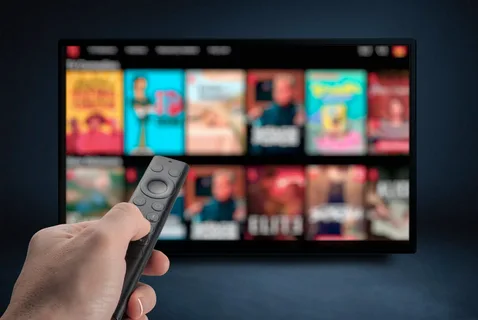
The way people watch television has changed significantly over the last few years. Traditional television schedules are no longer the only option for accessing entertainment. Internet-connected devices now allow viewers to watch digital programming across televisions, smartphones, tablets, computers, and streaming hardware.
An Apollo Group TV fits into this broader movement toward internet-based entertainment. Instead of depending entirely on conventional television infrastructure, online services can provide access through compatible applications, devices, and internet connections.
However, choosing an online television service requires more than looking at a list of available programs. Compatibility, performance, usability, subscription terms, privacy, customer support, and regional availability can all affect the overall experience.
The Changing Role of Internet Television
Internet television has created a more flexible way for people to interact with digital entertainment.
Traditional television usually follows a fixed schedule. Online viewing gives users more control over when and where they watch, depending on the features provided by the service.
Modern households may use several connected screens throughout the day. A Smart TV might be preferred for evening entertainment, while a smartphone or tablet may be more convenient when traveling.
This multi-device environment has made flexibility an important part of the modern viewing experience.
How Online Television Works
Internet-based television uses digital networks to deliver video content to connected devices.
Depending on the service, users may find features such as:
- Live television programming
- On-demand content
- Movies and series
- Electronic program information
- Search functions
- Organized content categories
- Multiple device options
- Different video quality settings
The exact features are not the same across every provider. Application design, infrastructure, available programming, regional restrictions, and device compatibility can all influence how a service performs.
For this reason, users should evaluate the complete service instead of making a decision based on promotional claims alone.
Evaluating an Apollo Group TV Subscription
Before choosing an Apollo Group TV Subscription, consumers should review the provider’s latest information carefully.
A good evaluation should include more than subscription pricing. Users should examine the available plans, supported devices, application options, customer support, cancellation policies, and regional availability.
It is also important to determine whether the programming offered is appropriately licensed for the user’s location.
A simple checklist can make the decision easier:
- Check current subscription plans
- Confirm supported devices
- Review available programming
- Check regional availability
- Read subscription terms
- Review cancellation and refund conditions
- Look for official customer support
- Review privacy information
- Confirm licensing where applicable
This approach helps users compare services based on practical needs rather than marketing language.
Choosing the Right Device for Streaming
The device used for online television can have a major effect on convenience and playback quality.
Different households may prefer different hardware depending on their viewing habits.
Smart TVs
Smart TVs are one of the most convenient options because the display, speakers, operating system, and network connection are integrated into a single device.
Before installing an application, viewers should confirm that their television model and operating system are officially supported.
Older Smart TVs may also have limitations compared with newer models, particularly when running demanding applications or high-resolution video.
Streaming Hardware
Dedicated streaming devices can extend the capabilities of a television.
They may be useful when a television does not support the required application natively. However, compatibility should always be checked before purchasing additional hardware.
Users should also consider the device’s processing power, operating system, available storage, and supported video formats.
Mobile Devices
Smartphones and tablets provide portability that traditional television cannot easily match.
Viewers can use mobile devices in different locations when the service, application, and subscription conditions allow it.
The quality of the experience can depend on mobile bandwidth, screen size, battery life, and the stability of the network connection.
Computers
Computers offer another practical option for online entertainment.
Where browser or application support is available, Windows and Mac systems can provide access through a larger screen without requiring a dedicated television.
A computer can also be useful for users who already spend significant time working or studying at a desk.
Features That Matter in 2026
A modern streaming service should be evaluated according to how well it fits the user’s daily viewing habits.
Easy Navigation
Large content libraries can become difficult to manage when menus are poorly organized.
A simple interface with clear categories can make it easier to move between different types of programming.
Good navigation reduces unnecessary searching and creates a more comfortable viewing experience.
Useful Search Functions
Search becomes increasingly important as digital libraries grow.
Instead of manually browsing through numerous categories, users can search for specific titles or available programming.
Effective search tools can save time and make content discovery easier.
Device Compatibility
A service is only useful if it works properly on the devices a household actually uses.
Before subscribing, users should check the provider’s latest compatibility information.
This is especially important for households using multiple operating systems or different types of streaming hardware.
Picture Quality
HD and 4K have become common considerations when selecting modern entertainment services.
However, the presence of a 4K television does not automatically guarantee 4K playback.
Video quality can depend on several factors, including:
- Source content
- Subscription conditions
- Device capabilities
- Application support
- Available bandwidth
- Network stability
Users should therefore consider the complete streaming environment rather than focusing on resolution alone.
Application Updates
Applications need to remain compatible with changing operating systems and hardware.
Keeping official applications updated can help reduce compatibility problems and improve overall stability when updates are available.
Building a Reliable Home Streaming Environment
Even a well-designed online television service can experience problems when the home network is poorly configured.
The quality of a streaming connection can be affected by router placement, Wi-Fi signal strength, bandwidth, network congestion, and the number of connected devices.
For example, several people watching high-resolution video simultaneously can place significant demand on a home network.
Users can improve their setup by:
- Placing the router in a suitable location
- Reducing unnecessary network traffic
- Checking Wi-Fi signal strength
- Restarting network equipment when necessary
- Using Ethernet for compatible devices when practical
- Keeping networking equipment updated
A stable connection is particularly important for higher-resolution video.
Understanding Streaming Infrastructure
Online video delivery involves much more than the application installed on a television or smartphone.
Modern services rely on servers, content delivery systems, encoding technologies, caching, and network infrastructure to distribute video efficiently.
Content delivery networks can help distribute digital content through geographically distributed infrastructure. This can reduce the distance between users and the systems delivering content.
For readers interested in the technical side of online content delivery, official documentation from major cloud providers can provide additional background on CDN infrastructure.
Understanding this technology makes it easier to see why streaming performance can vary even when a user’s local internet connection appears strong.
Major Streaming Trends in 2026
The online entertainment environment continues to develop as technology and viewing habits change.
More Connected Screens
Households now commonly use several connected devices.
A television may be used for family viewing while smartphones, tablets, and computers provide additional viewing options.
Services that support the devices people already own can provide greater flexibility.
Better Video Experiences
Viewers increasingly expect high-quality video.
Resolution is only one part of the experience. Frame rate, HDR support, device capabilities, encoding quality, and network performance can all influence how content looks.
Smarter Content Discovery
Having more content creates another challenge: finding something worth watching.
Search tools, categories, recommendations, and organized menus can make large libraries easier to navigate.
Improving Delivery Networks
Streaming providers continue to depend on increasingly sophisticated network infrastructure.
Caching, encoding, distribution systems, and edge-based technologies can help deliver large amounts of video to users across different regions.
Greater Attention to Account Security
Online entertainment also requires users to think about digital security.
Viewers should use strong account credentials, keep supported applications updated, and avoid entering login information into suspicious or unofficial websites.
Privacy policies should also be reviewed when users provide personal information to an online service.
What to Check Before Subscribing
A few minutes of research can prevent many common problems.
Before selecting an online television service, ask:
- What plans are currently available?
- Which devices are supported?
- Is the application compatible with my device?
- What programming is available in my region?
- Are subscription terms clearly explained?
- Is customer support available?
- What are the cancellation conditions?
- Are refund policies clearly stated?
- Does the provider publish privacy information?
- What internet connection is recommended?
- Is the offered programming appropriately licensed?
These questions provide a more complete picture than simply comparing channel counts or promotional prices.
Common Streaming Issues and Their Causes
Streaming problems can happen even when the service and device are compatible.
Understanding the possible causes can make troubleshooting easier.
Weak Wi-Fi
A weak wireless signal may cause buffering, loading delays, or interruptions.
Moving the router closer to the device or reducing interference may improve the connection.
For supported equipment, Ethernet can sometimes provide a more consistent connection.
Too Many Connected Devices
A busy home network can affect streaming performance.
If multiple devices are downloading files, playing games, making video calls, or streaming high-resolution content at the same time, available bandwidth may become limited.
Reducing unnecessary network activity can help.
Outdated Software
Older application versions may not work correctly with newer operating systems.
Users should check for official application and operating-system updates when problems appear.
Hardware Limitations
Not every device can handle demanding video formats.
Older televisions, computers, mobile devices, and streaming hardware may struggle with high-resolution playback.
Before selecting the highest available quality, users should confirm that their equipment can support it.
Creating a Better Viewing Experience
A good streaming setup does not necessarily require expensive equipment.
The better approach is to build a setup around actual viewing habits.
Someone who mainly watches television in the living room may prioritize a reliable Smart TV application and simple remote navigation.
A mobile viewer may care more about portability and efficient data usage.
A family using several screens may need to pay greater attention to device policies and network capacity.
The right setup is therefore different for every household.
A Simple Way to Set Up Apollo Group TV
Users researching an Apollo Group TV Subscription can follow a straightforward process.
First, identify the devices that will be used most often.
Next, review the provider’s current compatibility information and subscription conditions. Confirm that the service is available in the user’s region.
After selecting an appropriate plan, configure the supported application or platform according to the provider’s official instructions.
Finally, test the service during normal household use.
Testing is useful because it shows how the combination of the device, application, internet connection, and service performs under real conditions.
Why Careful Research Is Important
The online television market changes quickly.
Applications can be updated, device support can change, subscription plans can be modified, and programming availability can vary by region.
Information published several months ago may not accurately describe the current service.
For this reason, consumers should rely on current official information whenever possible.
Research also helps users avoid selecting a service simply because it has an attractive promotional offer.
The better decision is usually the one that matches the viewer’s actual requirements.
Frequently Asked Questions About Apollo Group TV
What is Apollo Group TV?
Apollo Group TV is presented as an internet-based television and entertainment service. Users should check its current official information for details about available programming, supported devices, subscription plans, and regional availability.
What does an Apollo Group TV Subscription provide?
An Apollo Group TV Subscription refers to a subscription plan that provides access to the entertainment services offered under the provider’s current terms. Exact features and content can vary by plan and location.
Can Apollo Group TV work on Smart TVs?
This depends on the television platform and current application support. Users should verify compatibility with their specific Smart TV model or operating system before subscribing.
Does internet speed affect streaming?
Yes. Connection speed and stability can influence loading times, playback quality, and buffering. Higher-quality video can also require greater network capacity.
Why does streaming sometimes buffer?
Buffering can have several causes, including weak Wi-Fi, network congestion, limited bandwidth, device limitations, application problems, or temporary service-side issues.
Is 4K guaranteed with every subscription?
No. 4K availability depends on the provider, content, subscription conditions, application, compatible hardware, and network performance.
How can I improve streaming quality?
Start by checking the internet connection and Wi-Fi signal. Reduce unnecessary network activity, update supported software, and consider Ethernet when appropriate.
Should I choose a service based only on its content library?
No. A large catalogue is only one factor. Users should also consider compatibility, usability, performance, support, pricing, privacy, subscription terms, and licensing.
Final Thoughts
Online television has become an important part of modern digital entertainment. Connected devices, better displays, improved applications, and advanced content delivery systems have created more flexible ways for people to watch video.
For anyone considering an Apollo Group TV Subscription in 2026, careful research is the best starting point. Check current plans, device compatibility, programming, regional availability, customer support, privacy information, subscription conditions, and licensing before making a decision.
A reliable internet connection and suitable hardware are equally important. The quality of the final experience depends on the complete setup rather than the subscription alone.
Ultimately, the goal should be simple: choose an entertainment solution that is compatible, convenient, transparent, and suitable for the way you actually watch television.