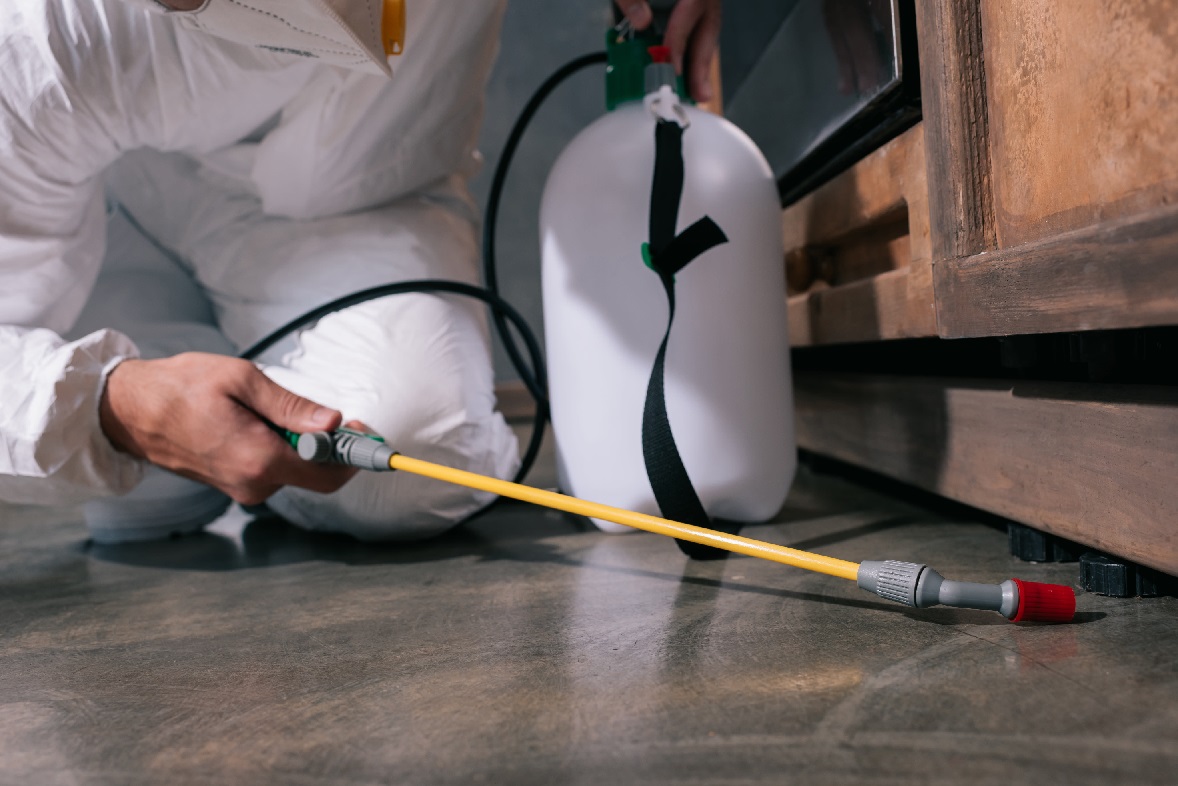
Introduction to Termite Problems and Their Impact
Termites are among the most destructive pests that can affect residential and commercial properties because they silently damage wooden structures, furniture, flooring, and other important materials. Unlike many visible pests, termites often remain hidden for long periods, allowing colonies to grow and cause expensive structural problems before their presence is discovered. Homeowners and property managers need effective solutions that can eliminate existing infestations and protect buildings from future damage. One of the most reliable approaches for severe termite problems is a specialized treatment method designed to reach hidden colonies and provide comprehensive control. Understanding how this process works, when it is required, and what benefits it offers can help property owners make informed decisions about protecting their investments.
How Termites Cause Hidden Structural Damage
A termite infestation usually begins unnoticed, as these insects work inside walls, wooden beams, foundations, and other concealed areas. Early warning signs may include hollow-sounding wood, damaged surfaces, discarded wings, mud tubes, or visible cracks in affected materials. However, by the time these signs become noticeable, the colony may already be well established. Regular inspections can help detect problems earlier, but advanced infestations often require stronger solutions. Professional pest control methods are designed to target termites at their source rather than only treating visible areas. This approach helps ensure better results and reduces the chances of the infestation returning after treatment.
Understanding the Termite Tenting Process
The process of termite tenting is considered one of the most thorough methods for handling serious termite infestations because it allows treatment materials to reach areas that are normally difficult to access. During this procedure, a structure is covered with a protective tent, creating a controlled environment where specialized treatment can be applied. The goal is to eliminate termites throughout the entire building rather than focusing only on specific affected sections. This method is especially useful when termites have spread extensively or when traditional treatments may not provide complete coverage. Proper preparation and professional handling are essential to ensure the process is carried out safely and effectively.
Steps Involved Before Professional Treatment
Before treatment begins, trained specialists carefully inspect the property to determine the level of infestation and identify areas where termites may be hiding. This inspection helps professionals choose the most suitable treatment approach based on the condition of the structure. Preparation steps may include removing certain items, sealing specific areas, and following safety instructions provided by the pest control team. A well-planned preparation process helps create better treatment conditions and allows the specialists to complete the work efficiently. Property owners should always follow professional guidelines because proper preparation plays an important role in achieving successful results.
Benefits of Choosing Professional Termite Control
One of the major advantages of professional termite control is its ability to address widespread infestations that cannot be solved through simple surface treatments. Termites often create networks inside structures, making it difficult to reach every part of the colony without specialized methods. Professional treatments are designed to penetrate hidden spaces and provide a more complete solution. Although some homeowners attempt DIY approaches, these methods may only reduce visible activity without eliminating the entire colony. Choosing an experienced service provider can help prevent repeated infestations and protect the long-term condition of the property.
Protecting Properties from Expensive Repairs
Another important benefit of advanced termite treatment is the protection it provides against costly repairs. Termites can weaken wooden supports, damage important structural components, and reduce the overall value of a property if left untreated. Repairing termite-related damage can become expensive, especially when the infestation has been active for several years. Investing in professional treatment helps preserve the strength and safety of a building. Preventive inspections and timely action can also reduce the likelihood of major damage in the future, making pest control an important part of property maintenance.
Factors That Influence Treatment Effectiveness
The effectiveness of termite treatment depends on several factors, including the size of the infestation, the condition of the building, and the quality of the service performed. Professional technicians use their knowledge and equipment to apply treatments correctly while following safety standards. After the process is completed, property owners may need to continue monitoring their property for signs of termite activity. Regular inspections, moisture control, and proper maintenance can support long-term protection. A combination of professional treatment and preventive care offers the best chance of keeping termite problems under control.
Why Complete Treatment Solutions Matter
Many people choose professional termite tenting because it provides a comprehensive solution when termites have spread beyond easily accessible areas. Unlike limited treatments that focus on specific spots, this approach addresses the entire structure and helps target hidden colonies. The process requires careful planning, specialized equipment, and professional expertise to achieve the desired outcome. Although preparation may require temporary adjustments, the long-term benefits of protecting a property from severe termite damage make it a valuable option for many situations. Understanding the process can help property owners feel more confident when selecting the right treatment method.
Importance of Safety During Termite Treatment
Safety is another important consideration when dealing with serious termite infestations. Professional pest control companies follow strict procedures to protect occupants, pets, and surrounding areas during treatment. Property owners should communicate openly with technicians and follow all instructions before, during, and after the procedure. Proper ventilation, inspection, and clearance procedures help ensure that the treated structure is ready for re-entry. Working with qualified professionals reduces risks and provides peace of mind throughout the entire process.
Selecting the Right Pest Control Provider
Choosing the right pest control provider is an important step in managing termite problems effectively. Experience, reputation, treatment methods, and customer service are all factors that should be considered before making a decision. A reliable company will explain the process clearly, answer questions, and provide guidance on preparation and follow-up care. Property owners should avoid selecting services based only on price because quality treatment requires expertise and proper resources. A professional approach can make a significant difference in protecting a building from long-term termite damage.
Preventive Measures After Treatment
Preventive measures also play a key role after treatment has been completed. Keeping wooden materials away from excess moisture, repairing leaks, maintaining proper ventilation, and scheduling regular inspections can help reduce the chances of future infestations. Termites are attracted to damp environments and accessible sources of wood, so eliminating these conditions creates a less favorable environment for them. Ongoing care ensures that the benefits of professional treatment last longer and helps identify any potential problems before they become serious.
Long-Term Protection Against Termite Damage
The decision to invest in professional termite control should be based on the severity of the infestation and the potential risks involved. Small termite issues may sometimes be managed with targeted solutions, but larger infestations often require a more complete approach. Delaying treatment can allow termites to continue causing damage and increase repair costs over time. Taking action as soon as signs of infestation appear can save property owners significant time, money, and stress. Effective pest management is not only about removing existing termites but also about protecting the future condition of the property.
Final Thoughts on Effective Termite Management
A professional termite treatment strategy combines inspection, preparation, specialized application, and ongoing prevention to deliver reliable results. When termites threaten the safety and value of a property, selecting an appropriate solution becomes essential. The use of advanced methods allows experts to address hidden infestations and provide stronger protection than basic treatments. With proper care and regular monitoring, property owners can maintain healthier and safer structures while reducing the risk of future termite-related problems.In conclusion, termites can create serious challenges if they are allowed to spread without proper control. Professional treatment methods provide an effective way to manage severe infestations and protect properties from extensive damage. The right approach depends on careful evaluation, expert service, and continued prevention efforts. For those dealing with significant termite problems, choosing a trusted solution such as termite tenting can offer comprehensive protection and help restore confidence in the safety of their property. By understanding the process and benefits, property owners can take proactive steps toward maintaining a strong and secure environment.