Understanding the Importance of Water Damage Restoration
Water damage is one of the most common and disruptive problems that property owners can experience. Whether caused by leaking pipes, flooding, appliance failures, roof leaks, or severe weather, unwanted water can quickly affect the safety, comfort, and structural condition of a property. Even a small amount of moisture can create serious issues if it is not properly addressed.
Water damage restoration is a professional process focused on removing water, drying affected areas, repairing damaged materials, and restoring a property to a safe and usable condition. The purpose of restoration is not only to remove visible water but also to address hidden moisture, prevent further deterioration, and protect the property from long-term problems.
When water enters a building, it can spread quickly through walls, flooring, insulation, and other materials. If moisture remains untreated, it may lead to mold growth, unpleasant odors, weakened structures, and expensive repairs. Professional restoration services provide the expertise and equipment needed to manage these challenges effectively.
Common Causes of Water Damage
Water damage can occur for many different reasons, and identifying the source is an important first step in the restoration process. Understanding common causes helps property owners recognize risks and respond quickly.
Plumbing failures are among the most frequent causes of water damage. Burst pipes, leaking connections, damaged water heaters, and clogged drains can release large amounts of water into a property. Even slow leaks can create significant problems over time by damaging walls, floors, and structural materials.
Flooding caused by heavy rainfall or natural disasters can also result in extensive water damage. Floodwater may contain contaminants and requires careful handling to protect the health and safety of occupants.
Roof leaks are another common source of moisture problems. Damaged roofing materials, broken seals, or clogged drainage systems can allow water to enter ceilings, walls, and interior spaces.
Appliance failures can also contribute to unexpected water damage. Washing machines, dishwashers, refrigerators, and other water-connected equipment may leak or malfunction, creating sudden moisture issues.Sewer backups are particularly serious because they can introduce contaminated water into a property. These situations require professional cleaning and restoration to ensure safe conditions.
Signs That a Property Has Water Damage
Recognizing water damage early can help reduce repair costs and prevent more serious problems. Some signs are immediately visible, while others may develop gradually.
Water stains on ceilings, walls, or floors are common indicators of moisture problems. These stains may appear as discoloration, dark spots, or unusual marks on surfaces.
A musty or damp odor can also suggest hidden water damage. Moist environments often create conditions where mold and bacteria can develop, producing unpleasant smells.Peeling paint, warped flooring, swollen wood, and damaged drywall may indicate that materials have absorbed moisture. These changes should be inspected to determine the extent of the problem.
Changes in indoor humidity levels can also be a warning sign. Excess moisture can make rooms feel uncomfortable and contribute to ongoing damage.Visible mold growth is another indication that water damage may have been present for some time. Mold requires moisture to grow, so addressing the underlying water issue is essential.
The Water Damage Restoration Process
Professional water damage restoration involves several important steps designed to remove moisture and restore the affected area. Each stage plays a role in preventing additional damage and improving recovery results.
The first step is usually an inspection and assessment. Restoration professionals evaluate the source of the water, determine the affected areas, and identify the level of damage. This assessment helps create an effective restoration plan.
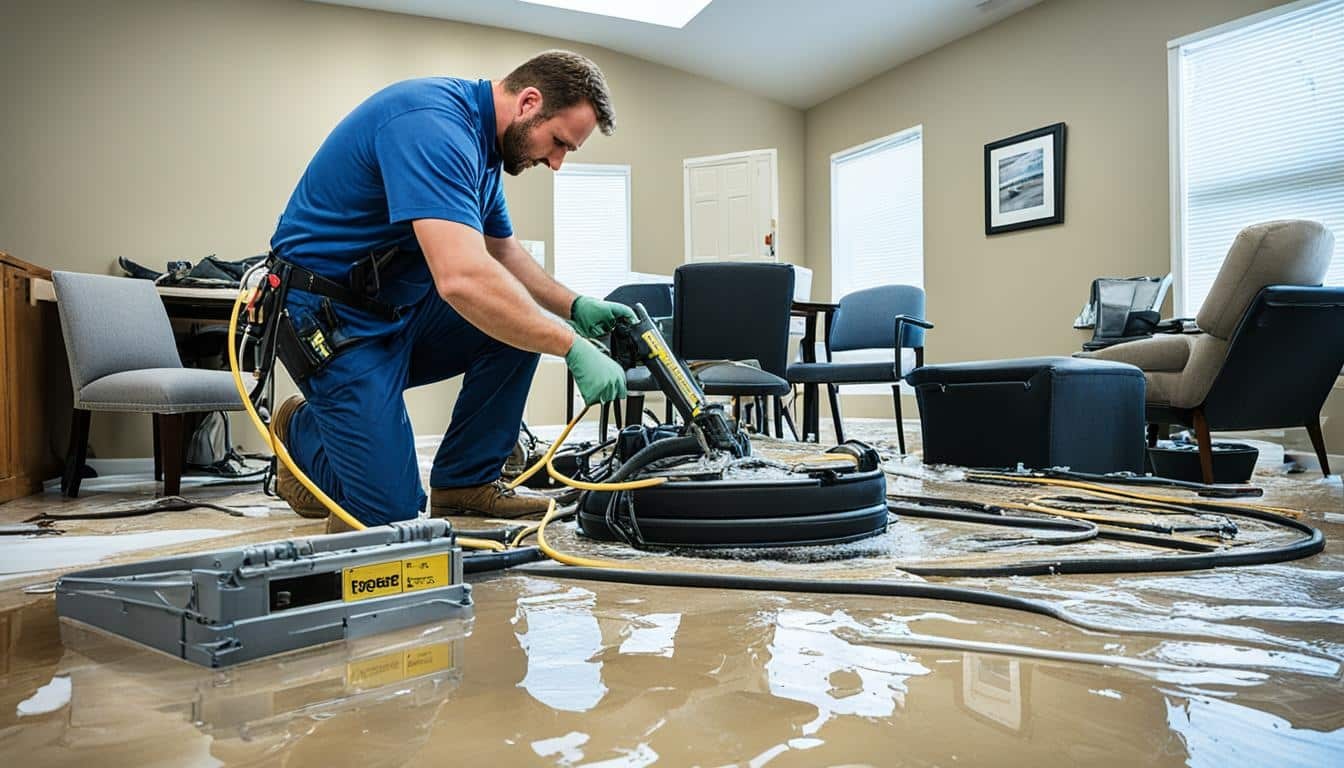
Water removal is the next critical step. Specialized pumps and extraction equipment are used to remove standing water from the property. Quick removal helps reduce the amount of time materials remain exposed to moisture.
After water extraction, the drying process begins. Industrial-grade air movers, dehumidifiers, and moisture detection tools help remove remaining moisture from surfaces and materials. Proper drying is essential because hidden moisture can continue causing problems even after visible water is gone.
Cleaning and sanitizing are also important parts of restoration. Water damage can introduce dirt, bacteria, and contaminants into a property. Professional cleaning helps restore safe and healthy conditions.The final stage involves repairs and restoration. Damaged materials may need to be repaired, replaced, or refinished depending on the severity of the damage. The goal is to return the property to its previous condition.
Why Professional Water Damage Restoration Is Important
Attempting to handle major water damage without professional assistance can create additional challenges. Professional restoration teams have the training, tools, and experience needed to manage complex moisture problems.
One of the biggest benefits of professional restoration is accurate moisture detection. Water can travel behind walls, under floors, and into hidden areas where it is difficult to detect without specialized equipment.Professionals also understand proper drying techniques. Removing visible water is only part of the process. Complete drying requires careful monitoring to ensure moisture levels return to safe conditions.
Another advantage is faster recovery. Water damage can worsen quickly, so timely professional response helps limit damage and reduce restoration requirements.
Professional restoration also improves safety. Damaged properties may contain electrical hazards, contaminated water, unstable materials, or mold risks. Trained specialists know how to handle these concerns properly.
Preventing Mold After Water Damage
One of the most serious concerns after water exposure is mold growth. Mold can begin developing in damp environments, especially when moisture remains for extended periods.
Preventing mold requires fast water removal and thorough drying. Simply drying the surface may not be enough because moisture can remain inside building materials.
Professional restoration methods focus on removing moisture completely and addressing affected areas before mold becomes a larger issue.Proper ventilation, humidity control, and regular property maintenance can also reduce the risk of future mold-related problems.
Repairing Different Types of Water Damage
The type of repair required depends on where the damage occurred and how severe it is. Different materials respond differently to water exposure.Drywall may absorb moisture quickly and often requires repair or replacement if it becomes heavily damaged. Flooring materials may also need attention, especially if water affects the layers beneath the surface.
Wood structures can experience swelling, warping, and weakening after prolonged moisture exposure. Proper drying and evaluation help determine whether repairs are possible.
Carpets and upholstery may require specialized cleaning depending on the type of water involved. Contaminated materials may need replacement to maintain safe conditions.A professional assessment helps determine which materials can be restored and which require removal.
The Importance of Quick Action
Responding quickly after water damage occurs can make a significant difference in the restoration process. The longer water remains inside a property, the more opportunity it has to spread and cause additional problems.Fast action can reduce structural damage, limit mold growth, and lower overall repair costs. Contacting professionals as soon as possible allows restoration work to begin before conditions become more severe.
Property owners should also address the source of the water before restoration begins whenever it is safe to do so. Stopping ongoing leaks helps prevent additional damage.After completing restoration, regular maintenance can help prevent future water damage. Inspecting plumbing systems, maintaining drainage areas, and checking roofing conditions are important preventive steps.
Property owners should regularly examine areas where leaks commonly occur, such as bathrooms, kitchens, basements, and utility spaces.
Proper gutter maintenance and exterior drainage management also help reduce water-related risks. Keeping water away from the foundation protects the structure and reduces moisture concerns.Regular inspections allow small problems to be identified before they become major issues.
Final Thoughts on Water Damage Restoration
Selecting an experienced restoration provider is an important part of recovering from water damage. Property owners should look for professionals with knowledge, proper equipment, and a commitment to quality service.
A reliable restoration specialist should provide a clear explanation of the damage, recommended solutions, and expected timeline. Good communication helps property owners understand the restoration process.Experience with different types of water damage is also valuable. A skilled team understands how to handle plumbing leaks, flooding, storm-related moisture, and other situations.
Professional expertise helps ensure that restoration is completed properly and that the property receives long-lasting protection. Water damage restoration can create serious challenges, but effective restoration helps properties recover safely and efficiently. Professional water damage restoration addresses more than visible moisture by identifying hidden problems, preventing further deterioration, and restoring damaged areas.
Quick action, proper drying, thorough cleaning, and quality repairs are essential for successful recovery. By responding promptly and working with experienced professionals, property owners can minimize damage and protect their investment.A reliable restoration process restores more than a building’s appearance. It helps bring back safety, comfort, and confidence while creating a healthier environment for everyone who uses the property.