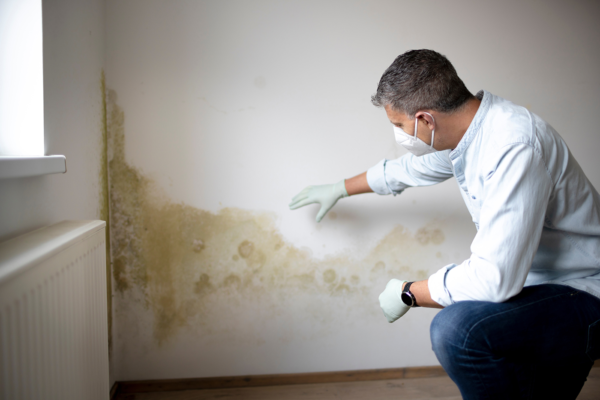
In UK homes, there is a familiar frustration of dark, neglected corners behind bathroom doors, under kitchen sinks and in cold utility rooms, which can turn these areas into breeding grounds for damp, mildew and stubborn grime. Poor air circulation, trapped humidity, porous surfaces and cold spots can create the ideal conditions for mould and grime to take root, causing unpleasant odours and health issues. Banishing damp does not always need to result in costly structural work, as by combining smart, moisture-proof building supplies with hygienic surface solutions can keep awkward spots fresh and dry permanently.
Stopping Moisture at the Source: Smart Plumbing and Insulation
Cold-water supply pipes running through enclosed, unheated spaces (such as under-sink cupboards, vanity units and behind bath panels) can act as moisture magnets. When warm, humid indoor air hits cold copper or plastic piping, droplets will form continuously, dripping onto floorboards and dark corners unnoticed. Minor, slow drips from loose compression fittings, deteriorating flexi-hoses or aging waste traps often go unnoticed for months, steadily saturating the surrounding timber and plasterwork. Trapped moisture breaks down standard building materials, causing wood to rot, plasterboard to crumble and providing an environment where black mould spores can flourish in dark, unventilated alcoves.
Applying simple, snap-on foam pipe lagging to cold-water pipes eliminates the temperature differential, preventing condensation droplets from forming and dripping into dark spaces. Similarly, replacing old, brittle plastic waste traps and rubber seals under sinks and basins with modern, hand-tightened compression traps ensures that you have a 100% watertight seal. You should also check that washing machine and dishwasher inlet hoses are securely fitted with fresh washers, preventing any hidden leaks behind utility room cabinetry.
Other ways you can ensure that your home is moisture-proof is by replacing cracked, yellowed or peeling silicone around sinks, baths and worktops with sanitary-grade, mildew-resistant silicone sealants. These will help to create an impermeable barrier that stops any standing water from seeping behind units. Using water-resistant building supplies, such as cement-based tile backing boards or liquid tanking membranes, behind fixtures before fitting wall panels ensures that any stray moisture cannot penetrate structural walls. Installing rubber or silicone pipe collars where plumbing passes through walls or floors creates a tight, moisture-proof seal that prevents water from travelling into wall cavities.
Upgrading to Non-Porous, Easy-Clean Wall Surfaces
Standard emulsion paint, decorative wallpaper and traditional plasterboard are naturally porous. In dark, humid alcoves or splash areas, these surfaces will absorb ambient moisture, causing paint to flake, paper to peel and plaster to soften. While ceramic tiles themselves are waterproof, cementitious tile grout is highly porous. It traps soap scum, grease and standing water, soon turning into a breeding ground for unsightly black mould that requires harsh chemical cleaners to remove. Once damp and grime penetrate beneath paint or into grout lines, they create persistent musty smells and deep-set discoloration that regular domestic cleaning is often unable to erase.
Engineered PVC or composite hygienic wall cladding panels create a continuous, completely non-porous surface. Water droplets, steam and airborne grime sit directly on the surface without soaking in. Panels join using watertight tongue-and-groove systems, thermoformed corners or sealed trim profiles. By removing grout lines, you entirely eliminate the primary structural weakness where moisture and mould hide. Beyond water resistance, hygienic cladding is known for being tough. It withstands everyday knocks from mop buckets, vacuum cleaners and stored items in tight utility rooms or under-sink alcoves without denting or cracking.
Dark corners often feel gloomy because dull, damp paint absorbs available light. Satin, gloss or light-toned wall cladding panels act as a reflective surface, bouncing natural or artificial light back into tight nooks to instantly open up the space. Modern wall panels now also go beyond utilitarian white, and are available in realistic finishes and patterns to offer high-end architectural appeal for any room. Cleaning dark, awkward corners no longer requires tedious scrubbing with harsh cleaners. Non-porous cladding surfaces wipe down effortlessly using just a microfibre cloth and warm, soapy water, keeping rooms fresh and hygienic.
Improving Ventilation and Air Movement
Moisture-laden air naturally migrates to unventilated pockets, such as behind furniture, inside utility cupboards or around enclosed pipework. When air stands still, ambient humidity quickly saturates the local space. As warm, moist indoor air cools down in dark, unheated corners, it drops below its dew point. Water vapour condenses into physical water droplets on cold surfaces, providing the moisture layer required for mould spores to germinate. Constant, gentle air movement accelerates evaporation, keeping relative humidity levels below the threshold where mould thrives.
Practical home habits that can boost airflow include:
- Creating thermal gaps – positioning appliances and furniture at least 5 to 10cm away from exterior walls to allow warm air to circulate.
- Unblocking air paths around plumbing – ensuring boxed-in pipework has adequate ventilation points instead of being sealed off in unheated cavities.
- Smooth surfaces – non-porous wall cladding combined with improved ventilation means water cannot penetrate the wall surface.]
Proper Damp-Proofing
Moisture can enter structural walls by being drawn upward from the ground through brickwork or entering horizontally through cracked exterior render and failing pointing. External building corners in older UK properties are prone to ‘cold bridges’, where structural thermal performance drops significantly compared to the rest of the room. This can create cold spots that constantly draw interior condensation. When installing wall cladding over uneven or cold exterior walls, fixing battens creates an insulated, ventilated air gap behind the panels. This allows the wall to ‘breathe’ while keeping the interior finish dry.
Banishing damp and grime permanently requires a joined-up approach. It is not just about wiping down surface mould, but about fixing plumbing leaks at the source, protecting wall structures underneath and choosing impermeable, easy-clean finishes on top. This shifts away from a cycle of constant cleaning and repainting to a one-time material upgrade that keeps dark corners dry, bright and fresh for years to come.