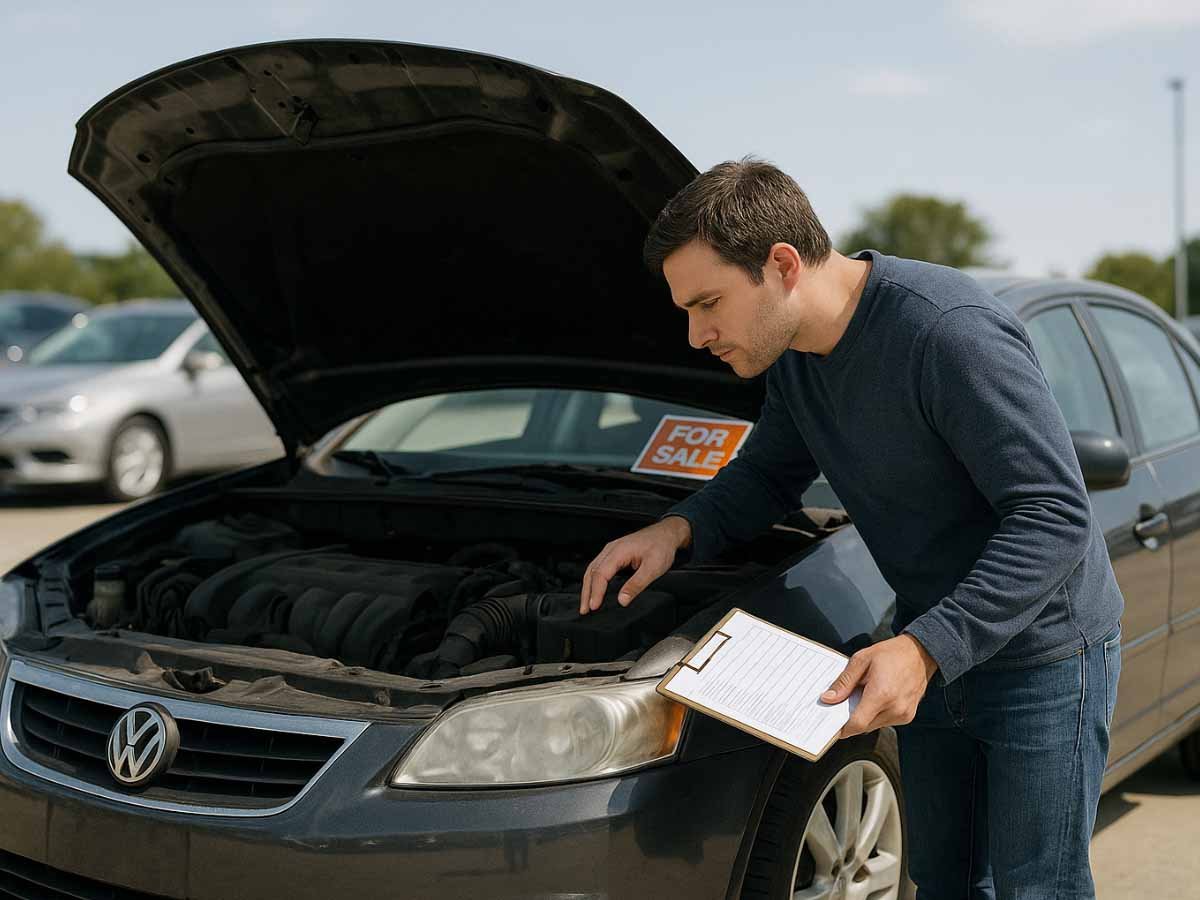
Buying a used vehicle can be a smart financial decision, but it also comes with risks that many buyers overlook. Unlike new cars, used vehicles have a history, and that history directly affects performance, safety, and long-term value. From hidden mechanical issues to unclear ownership records, there are several factors that must be carefully evaluated before making a purchase. Whether you are buying from a private seller or a dealership, understanding the process can save you from costly mistakes. Many buyers begin their search online or through trusted platforms such as best used car dealer in California, where vehicle quality checks and transparency play a key role in decision-making.
Understanding the Vehicle’s History Report
One of the first and most important steps in buying a used vehicle is reviewing its history report. This document provides essential details about the car’s past, including accident records, ownership changes, mileage verification, and service history.
A clean history report does not guarantee a perfect vehicle, but it significantly reduces risk. On the other hand, a car with multiple accidents or inconsistent mileage records may indicate hidden problems. Buyers should always check reports from reliable databases and compare them with physical inspection results.
It is also important to pay attention to title status. Terms like “salvage,” “rebuilt,” or “flood damage” can indicate serious past issues that may affect safety and resale value.
Inspecting the Mechanical Condition
A used vehicle may look perfect on the outside but still have underlying mechanical issues. That is why a thorough inspection is essential before purchase. This includes checking the engine, transmission, brakes, suspension, and electrical systems.
A professional mechanic inspection is highly recommended, especially for buyers without technical knowledge. Mechanics can identify worn-out components, oil leaks, or hidden damage that may not be visible during a casual test drive.
During inspection, special attention should be given to engine noise, exhaust smoke color, and fluid levels. These small indicators often reveal larger mechanical problems that could become expensive repairs later.
Evaluating Mileage and Usage Patterns
Mileage is one of the most important factors in determining a used vehicle’s value. Generally, lower mileage suggests less wear and tear, but it should always be evaluated in context with the vehicle’s age and maintenance history.
A well-maintained high-mileage car can sometimes be a better choice than a low-mileage vehicle that has been poorly serviced. Regular oil changes, timely repairs, and consistent maintenance records often matter more than mileage alone.
Buyers should also consider how the vehicle was used. For example, highway miles are generally less stressful on a car compared to city driving, which involves frequent stops and starts.
Test Driving Before Purchase
A test drive is a critical step that should never be skipped. It allows the buyer to experience how the vehicle performs under real driving conditions. During the test drive, attention should be given to acceleration, braking, steering response, and overall comfort.
Any unusual vibrations, noises, or delays in performance should be considered warning signs. It is also important to test the vehicle on different road types, including highways and rough surfaces, to get a complete understanding of its condition.
Additionally, buyers should check visibility, seat comfort, and dashboard functionality during the drive. These factors significantly impact long-term driving satisfaction.
Checking Ownership and Legal Documentation
Proper documentation is essential when buying a used vehicle. Buyers should verify the title, registration, and seller identity before finalizing any deal. Ensuring that the seller has legal ownership of the vehicle prevents future legal complications.
It is also important to confirm that there are no outstanding loans or liens on the vehicle. A car with unpaid financial obligations may cause legal issues for the new owner if not handled properly.
All agreements should be documented in writing, including sale price, condition disclosures, and transfer of ownership details. This provides legal protection for both buyer and seller.
Understanding Pricing and Market Value
Pricing is another key factor in the used car buying process. A fair price is determined by several elements including age, mileage, condition, brand reputation, and market demand.
Before making a purchase, buyers should compare prices of similar vehicles in the same region. Online tools and listings can help determine whether a vehicle is priced fairly or overpriced.
Negotiation is also a common part of the process. Buyers should be prepared to discuss price based on inspection results, maintenance needs, and market comparisons. However, extremely low prices compared to market value may indicate hidden issues.
Considering Warranty and After-Sales Support
While used vehicles typically do not come with full manufacturer warranties, some dealerships offer limited warranty coverage or certified pre-owned programs. These warranties can provide additional peace of mind by covering certain repairs for a specific period.
Extended warranty options may also be available for purchase. These plans can help reduce unexpected repair costs, especially for older vehicles.
After-sales support is another important factor. Dealerships that offer maintenance services, repair assistance, or customer support can make ownership easier and more reliable over time.
Conclusion
Buying a used vehicle requires careful planning, research, and attention to detail. From reviewing history reports and inspecting mechanical condition to evaluating mileage and understanding pricing, every step plays a role in making a smart purchase. Legal documentation and test drives further ensure that the buyer is protected and satisfied with their decision. While the process may seem complex, taking the time to evaluate each factor can prevent costly mistakes and lead to a reliable long-term investment. Once you are ready to begin your search, exploring available used cars in Battle Creek can help you compare vehicles that match your budget, driving needs, and preferred features before making a final decision. Ultimately, a well-informed approach ensures that buyers not only find a vehicle that fits their budget but also one that delivers safety, performance, and peace of mind.