Every few years, a new printing technology arrives with promises of superior results and faster turnaround times, and every few years, the corporate apparel market in Singapore evaluates it, uses it where it makes sense, and then continues ordering the bulk of its volume the way it always has — through silkscreen printing. There is a reason this method has retained its dominance despite the genuine advances in DTG, sublimation, and heat transfer technology. Several reasons, actually, and they are worth understanding properly if you are making purchasing decisions for your company’s apparel needs in 2026.
The Economics Are Simply Hard to Beat
Let us start with the most straightforward argument. For corporate orders — where quantities typically run from 50 to several hundred pieces and designs are consistent across the run — screen printing delivers a per-unit cost that no competing method has managed to undercut at scale. The setup cost for a screen print run is front-loaded: screens need to be prepared and inks need to be mixed for each colour in the design. But once that setup is complete, the cost of printing each additional shirt is minimal. The more pieces in the run, the lower the per-unit price drops, and the economics compound quickly once you pass the 100-piece threshold.
For a company ordering uniforms for 150 staff, or event shirts for a regional conference, or polo shirts for a trade show team, this pricing model is extremely favourable. The alternatives — DTG in particular — charge a relatively fixed rate per piece regardless of quantity, which makes them excellent for small runs but increasingly uncompetitive as volume grows.
Colour Vibrancy and Durability That Holds Up
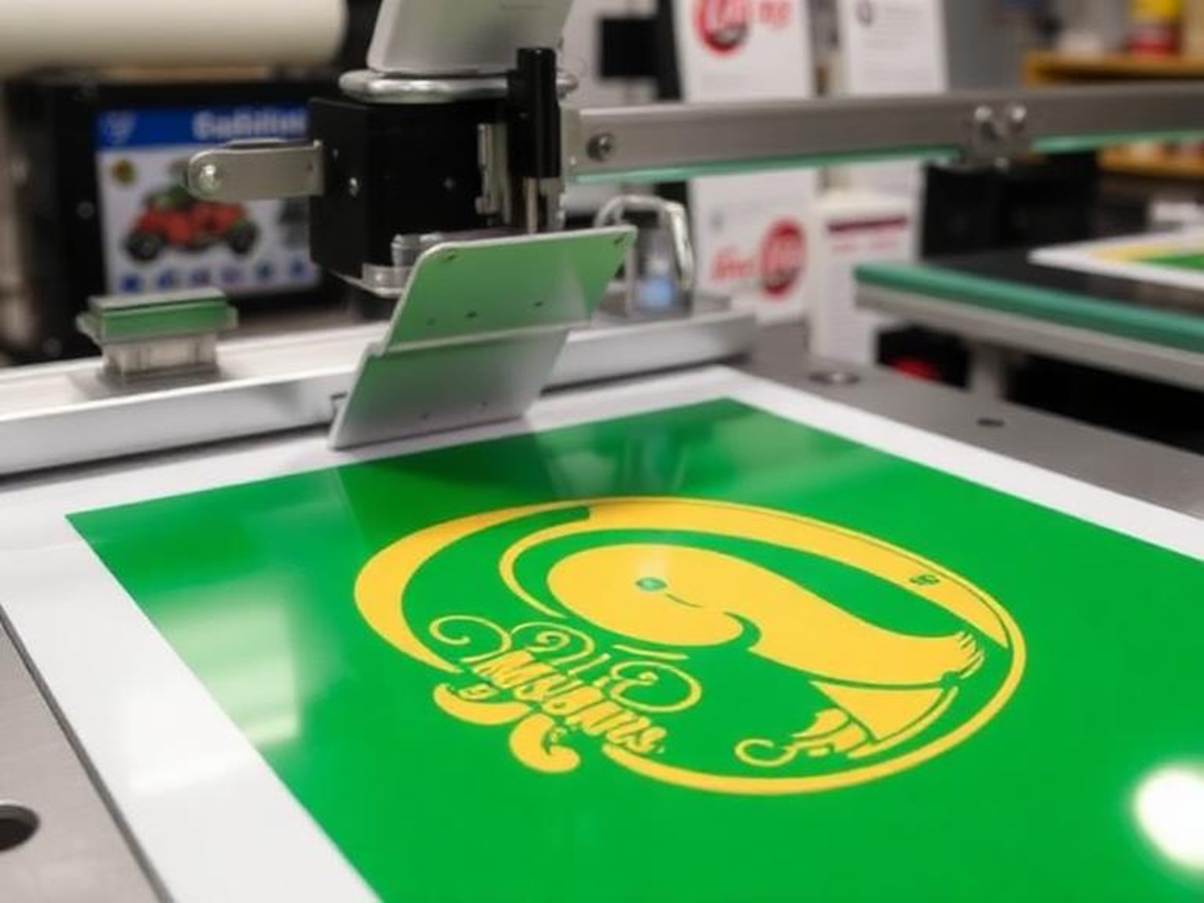
Beyond economics, there is a quality argument for silkscreen printing that remains compelling in 2026. Screen-printed inks sit on top of the fabric rather than being absorbed into it, which produces a vibrancy and opacity that other methods frequently struggle to match — particularly on dark base fabrics. A corporate navy polo with a white or yellow logo printed via screen will display that logo with a crispness and brightness that reflects well on the brand it represents.
Durability is equally important for corporate apparel, where shirts are expected to survive repeated washing over an extended period. Properly cured screen-print inks — those that have been heat-set correctly during production — maintain their appearance through dozens of wash cycles without the cracking, fading, or peeling that substandard alternatives produce. For companies that invest in quality garments and expect them to last, this durability is a genuine part of the value calculation.
What Corporate Buyers in Singapore Should Know in 2026
The corporate apparel landscape in Singapore has matured considerably, and procurement teams are asking better questions than they were a few years ago. Design file quality, ink colour matching to brand guidelines, garment specification, and production consistency across large runs are all topics that well-informed buyers now raise before committing to an order.
For screen printing specifically, the design considerations worth understanding are these: the method performs best with solid, defined shapes and a limited colour palette. Photographic images, fine gradients, and designs requiring more than four or five colours are better suited to DTG or sublimation. But for the majority of corporate logo applications — a two or three-colour mark on a chest or sleeve — screen is the technically appropriate and economically optimal choice.
Singapore’s corporate event calendar is packed, and the lead time realities of screen print production — typically seven to fourteen working days for a standard run — mean that planning ahead remains essential. Procurement teams that build apparel ordering into their event timelines early consistently get better pricing, better production quality, and fewer last-minute stresses than those who treat uniform ordering as an afterthought.
The printing industry evolves, new methods emerge, and the toolkit available to Singapore’s corporate apparel buyers continues to expand. But the fundamentals that have made screen printing the default choice for volume corporate work have not changed, and in 2026, they show no sign of doing so.
FAQ
What is the minimum order quantity for screen printing in Singapore? Most providers set a minimum of 30 to 50 pieces per design, as this threshold is needed to justify the screen setup cost.
Can screen printing match my exact brand Pantone colours? Yes — reputable screen printers mix inks to Pantone specifications, making precise brand colour matching entirely achievable.