Regular vehicle maintenance is one of the most important responsibilities for any car owner, yet many drivers unintentionally make mistakes that shorten the lifespan of their vehicles. These errors often seem small at first but can lead to costly repairs, reduced performance, and even safety risks over time. Whether you drive daily for work or occasionally for personal use, proper servicing habits are essential. Many drivers searching for reliable car service in Ft. Cavazos want to keep their vehicles in top condition, but avoiding common maintenance mistakes is just as important as choosing the right service center.
Understanding what not to do can help protect your engine, improve fuel efficiency, and ensure long-term reliability. Below are five of the most common car service mistakes that can quietly damage your vehicle if ignored.
1. Ignoring Regular Oil Changes
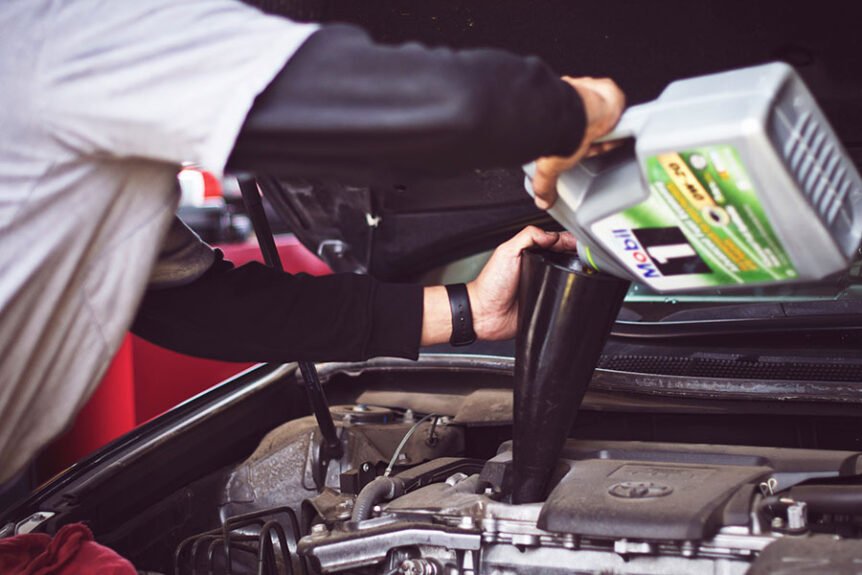
One of the most damaging mistakes car owners make is delaying or skipping oil changes. Engine oil plays a crucial role in lubricating moving parts, reducing friction, and preventing overheating.
When oil is not changed regularly, it becomes dirty and loses its effectiveness. This can lead to:
Increased engine wear and tear
Overheating of internal components
Sludge buildup inside the engine
Reduced fuel efficiency
Potential engine failure
Even if a vehicle seems to be running fine, old oil can silently damage internal parts. Manufacturers provide recommended oil change intervals for a reason, and following them is essential for engine health.
Using the correct type of oil is also important, as different engines require different viscosity levels for optimal performance.
2. Neglecting Tire Maintenance and Rotation
Tires are the only part of the vehicle that touches the road, yet they are often overlooked during routine service. Poor tire maintenance can significantly affect safety, fuel economy, and handling.
Common tire-related mistakes include:
Failing to check tire pressure regularly
Skipping tire rotation schedules
Ignoring uneven wear patterns
Driving on underinflated or overinflated tires
Worn-out tires increase the risk of accidents, especially in wet or slippery conditions. They also force the engine to work harder, reducing fuel efficiency over time.
Regular tire rotation ensures even wear across all four tires, extending their lifespan and improving overall driving stability. Proper alignment checks also help maintain balanced handling and prevent steering issues.
3. Skipping Brake Inspections
Brakes are one of the most important safety systems in any vehicle, yet many drivers delay brake inspections until problems become obvious. This mistake can be dangerous and expensive.
Warning signs of brake issues include:
Squeaking or grinding noises
Longer stopping distances
Vibrations when braking
Soft or spongy brake pedal feel
Ignoring these signs can lead to complete brake failure or damage to expensive components like rotors and calipers. Brake pads naturally wear down over time, and replacing them at the right interval is essential for safety.
Regular brake inspections help ensure that the system remains responsive and reliable in all driving conditions, especially during emergencies.
4. Using Incorrect or Low-Quality Fluids
Modern vehicles rely on multiple types of fluids, including engine oil, transmission fluid, coolant, brake fluid, and power steering fluid. Using the wrong type or poor-quality fluids can lead to serious mechanical issues.
Common mistakes include:
Mixing incompatible fluids
Using cheap or unapproved products
Failing to replace fluids on schedule
Ignoring manufacturer specifications
Each fluid is designed for a specific purpose and must meet certain performance standards. For example, using incorrect transmission fluid can damage internal gears, while poor-quality coolant can lead to overheating.
Following manufacturer guidelines ensures that all systems operate efficiently and remain protected from wear and corrosion.
5. Ignoring Warning Lights and Dashboard Alerts
Modern vehicles are equipped with advanced diagnostic systems that alert drivers to potential issues through dashboard warning lights. Ignoring these signals is one of the most costly mistakes a car owner can make.
Common warning lights include:
Check engine light
Oil pressure warning
Battery alert
Brake system warning
Tire pressure monitoring system (TPMS)
Many drivers choose to ignore these alerts if the vehicle still seems to drive normally. However, warning lights are early indicators of underlying problems that can worsen over time.
For example, a check engine light could indicate anything from a loose gas cap to a serious engine issue. Addressing problems early prevents expensive repairs and reduces the risk of breakdowns.
Additional Maintenance Mistakes That Harm Vehicles
Beyond the five major mistakes, there are other common habits that can negatively affect vehicle performance over time.
These include:
Delaying air filter replacements
Overlooking battery maintenance
Skipping scheduled servicing intervals
Using aggressive driving habits regularly
Ignoring unusual noises or vibrations
Each of these small oversights can gradually reduce vehicle efficiency and increase repair costs. Consistent maintenance is always more affordable than major repairs caused by neglect.
The Importance of Routine Vehicle Inspections
Routine inspections play a key role in preventing most of the issues mentioned above. A proper inspection helps identify small problems before they become serious.
A good inspection typically includes:
Checking fluid levels and conditions
Inspecting tires and brakes
Evaluating engine performance
Testing battery health
Reviewing suspension and steering systems
Regular inspections help maintain safety, improve fuel efficiency, and extend the lifespan of the vehicle. They also ensure that all components are working together as intended.
How Preventive Maintenance Saves Money
Many drivers delay maintenance to save money in the short term, but this often leads to higher repair costs later. Preventive maintenance is a cost-effective strategy that reduces the risk of major breakdowns.
Benefits include:
Fewer unexpected repairs
Better fuel economy
Longer vehicle lifespan
Improved resale value
Safer driving experience
Investing in regular service is far more affordable than repairing or replacing major components due to neglect.
Building Better Car Care Habits
Avoiding common service mistakes starts with building consistent maintenance habits. Drivers should follow a routine schedule and stay aware of their vehicle’s condition.
Good habits include:
Following the manufacturer’s service schedule
Checking fluids and tire pressure monthly
Listening for unusual sounds
Responding quickly to warning lights
Scheduling regular professional inspections
These habits help ensure long-term reliability and reduce the risk of sudden vehicle issues.
Conclusion
Car service mistakes are often simple oversights, but they can lead to serious and expensive damage over time. From ignoring oil changes and brake inspections to using incorrect fluids and overlooking warning lights, each mistake contributes to reduced performance and safety risks.
By staying proactive with maintenance and following recommended service schedules, drivers can protect their vehicles, improve efficiency, and extend their lifespan. Preventive care is always more effective than reactive repairs, and developing good maintenance habits ensures a smoother and safer driving experience.