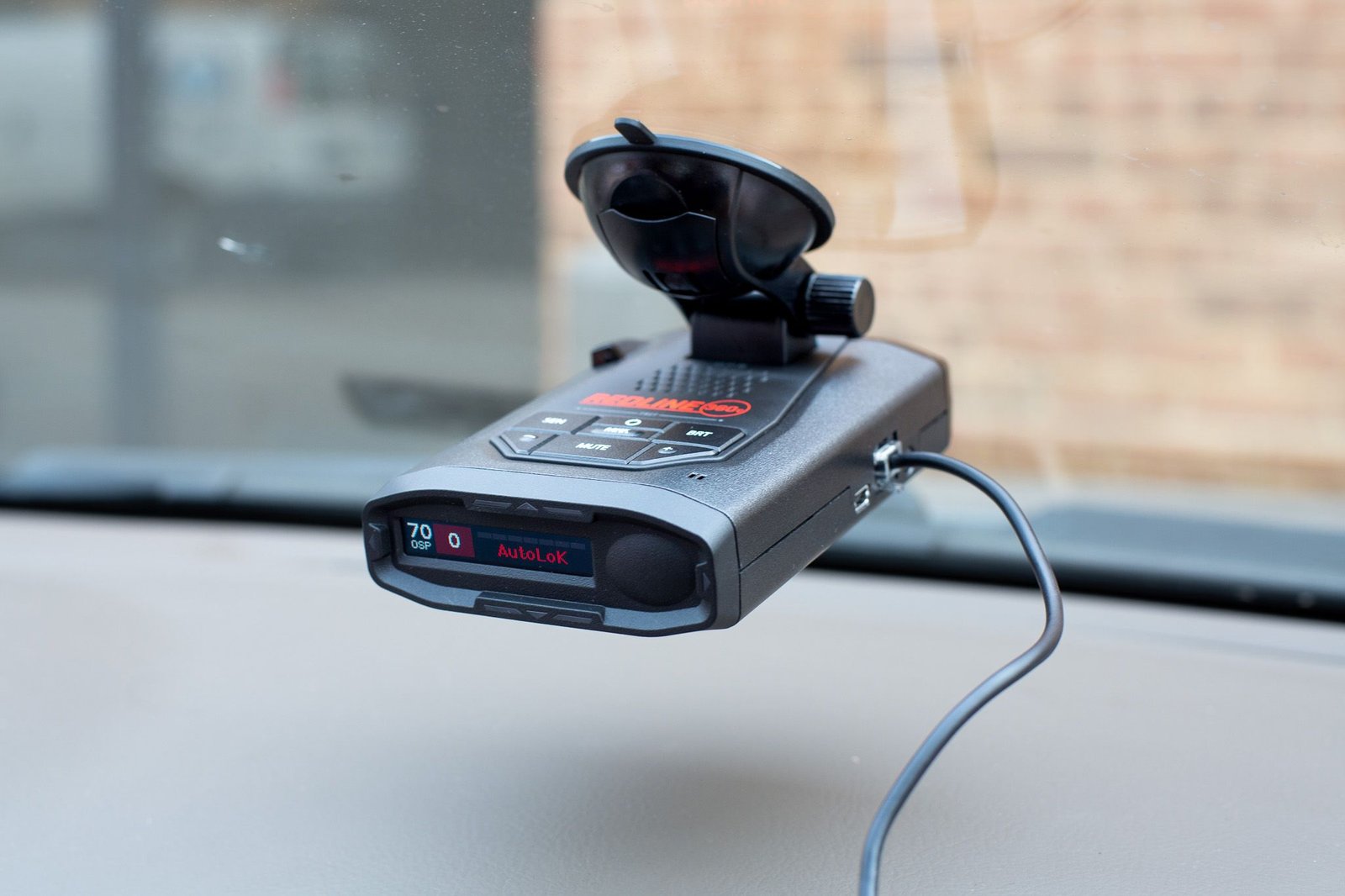
Radar and laser detectors help drivers identify speed monitoring systems used on roads. Radar guns use radio waves. Laser guns use narrow light beams. A detector warns you early so you can adjust speed safely.
Radar signals travel far and give early warning. Laser signals are narrow and often detected late. A good device handles both systems.
How Radar and Laser Detection Works
Radar detectors scan specific frequency bands used by law enforcement. These include X, K, and Ka bands in most countries.
Laser detectors respond to LIDAR pulses. These pulses reflect off the car and return to the gun for speed measurement.
Radar detection gives time advantage. Laser detection gives limited reaction time.
Detection Range and Performance
Range decides how early you get alerts. Long-range detectors give more time to slow down without sudden braking.
Low-quality detectors often miss weak signals or alert too late. High-quality models process signals faster and detect from longer distances.
False Alert Control
False alerts reduce trust in any detector. Common sources include automatic doors, toll systems, and vehicle safety sensors.
Modern detectors use digital filtering to remove non-police signals. Some models also remember repeated false zones and mute them automatically.
Escort builds systems with GPS-based filtering. These devices reduce repeated alerts in cities and improve accuracy on known roads.
Uniden focuses on strong detection range with balanced filtering. Their devices perform well for both highway and city driving.
Valentine Research offers directional detection. It shows where the signal comes from, which helps drivers react faster.
GPS and Smart Features
GPS integration improves accuracy. It stores speed camera locations and alerts drivers automatically.
Users can mark false alert zones to avoid repeated warnings. Some devices adjust sensitivity based on driving speed.
Software Updates
Radar technology changes over time. Without updates, a detector becomes less effective.
Choose devices with regular firmware updates. Wi-Fi or app updates make this process faster and easier.
Mounting Options
Windshield mounting gives the best detection range because of clear signal access.
Dash mounting provides stability but may reduce performance if blocked.
Hardwired installation gives a clean setup with no visible cables.
Laser Detection Limits
Laser detection has limitations. LIDAR guns target small points on the car. This makes early warning difficult.
Most detectors alert only after detection. Some advanced systems reduce risk but do not guarantee full protection.
Driving Modes
City mode reduces sensitivity to avoid false alerts. Highway mode increases range for early warnings.
Some detectors switch modes automatically based on speed or location.
Price vs Performance
Higher price does not always mean better performance. Many mid-range devices perform well in real conditions.
Focus on range, filtering, GPS features, and update support instead of brand alone.
Legal Rules
Radar detector laws vary by region. Some countries allow them. Others restrict or ban them, especially for commercial drivers.
Laser jammers are illegal in many areas. Always check local rules before buying or installing.
Final Selection Guide
Choose based on driving style.
Highway driving needs long range and strong sensitivity.
City driving needs strong filtering and GPS control.
Mixed driving needs balanced performance.
A radar and laser detector improves awareness and reaction time. It does not replace careful driving.