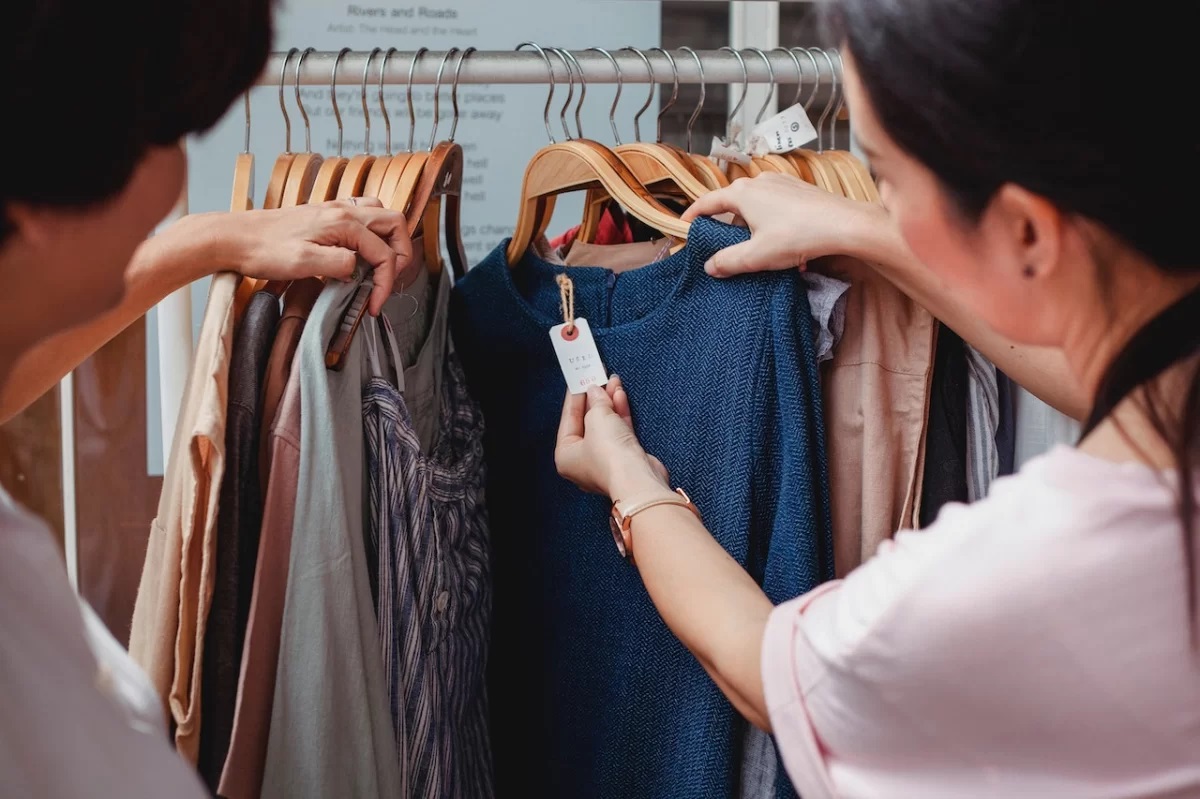
Fashion spending rarely gets measured the way it should. Most shoppers look at a price tag and stop there, ignoring how long a piece lasts or how often it gets worn. Cost per wear flips that logic, revealing why a well-made blazer often beats a cheap trend piece over time. This shift in perspective transforms how you evaluate every purchase, moving the focus from upfront cost to genuine long-term value. By the end, you’ll see your closet not as a collection of expenses but as a series of investments that either pay off or fall short.
What Cost per Wear Really Measures
The formula behind cost per wear is refreshingly simple: divide the price of an item by the number of times you actually wear it. A $200 coat worn 100 times costs $2 per wear, while a $40 trendy top worn twice costs $20 each time. That gap explains why price alone misleads so many buyers. Classic garments earn their keep because they stay relevant across seasons and pair with nearly everything already hanging in your closet. Durability, versatility, and timeless design all push the number lower. The math rewards patience over impulse, favoring pieces that survive both physical wear and shifting trends. Once you start calculating, expensive-looking items frequently turn out to be the frugal choice.
Trend Pieces Versus Timeless Staples
Not every purchase deserves the same treatment, and understanding the divide helps you spend smarter. Some items are meant to be fleeting, while others anchor a wardrobe for years. Before comparing specific categories, it helps to see how the numbers stack up in practice.
The comparison below breaks down three common garment types by typical lifespan and value.
| Garment Type | Average Wears | Cost Per Wear Trend |
| Classic wool coat | 200+ | Very low over years |
| Quality denim | 150+ | Low and steady |
| Fast-fashion top | 5–15 | High per use |
These figures show why staples consistently outperform disposable fashion when value matters most.
Building a Wardrobe That Pays Off
Smart buyers approach clothing like an investment portfolio rather than a series of one-off splurges. The goal is a compact collection of reliable pieces that work together effortlessly. A handful of principles makes the difference between a closet full of regrets and one that genuinely saves money.
Timing your purchases matters just as much as timing your entertainment choices. If you enjoy spinning slots between shopping sessions, the slotoro mobile app keeps online games accessible wherever you go. Below are the habits that keep cost per wear low.
- Choose neutral colors that mix easily with existing items.
- Prioritize fabric quality over flashy branding or logos.
- Buy for fit, since well-fitted clothes get worn far more often.
- Invest in outerwear and footwear, the pieces seen and used most.
- Repair before replacing to extend each garment’s useful life.
Following these steps turns your closet into a source of long-term savings rather than recurring expense.
Why Quality Fabrics Change the Math
Material choice sits at the heart of any durable wardrobe. Natural fibers like wool, cotton, and leather age gracefully and withstand repeated washing far better than synthetic blends. A tightly woven shirt holds its shape after dozens of wears, while cheaper fabric pills and sags within weeks. Paying more upfront for superior construction almost always lowers cost per wear because the item simply survives longer. Reinforced seams, quality buttons, and proper linings all signal garments built to last. When you handle a piece before buying, pay attention to weight and stitching density. These small details separate clothing that lasts a decade from clothing destined for the donation bin after a single season of casual use.
Calculate Your Wardrobe Value and Avoid Cost Traps
Tracking your wear habits brings clarity to where your money goes and sharpens future spending. By logging an item’s purchase price, estimated monthly uses, and expected lifespan, you will quickly spot which pieces offer genuine value versus those sitting tagged in the back of your closet. Between tracking sessions, plenty of people unwind with a quick round of casino online entertainment to recharge their focus. Beyond simple tracking, staying aware of common pitfall habits keeps your cost per wear from quietly inflating:
- Buying for an imagined lifestyle: Purchasing aspirational sizes or styles leads to unworn clothes.
- Ignoring hidden maintenance: Items requiring frequent dry cleaning carry high ongoing expenses.
- Chasing micro-trends and impulse sales: Emotional purchases rarely align with your daily routine.
When entertainment tempts you between decisions, generous bonuses make casual play more rewarding without derailing your budget. Ultimately, an economical wardrobe reflects real habits and real occasions.
Turning Smart Spending Into a Habit
The beauty of cost per wear lies in how naturally it reshapes behavior once understood. Shoppers begin pausing before purchases, mentally dividing price by anticipated use. That single habit filters out most wasteful buys and steers spending toward pieces that deliver year after year. Classic clothing wins not because it is trendy but because it endures, staying wearable long after fleeting styles fade. Over a lifetime, the savings compound significantly while your closet grows more functional and less cluttered. Choosing quality staples, maintaining them well, and resisting disposable fashion transforms clothing from an endless expense into a genuine asset. The wardrobe that saves the most is often the one built slowly, thoughtfully, and with lasting value firmly in mind.