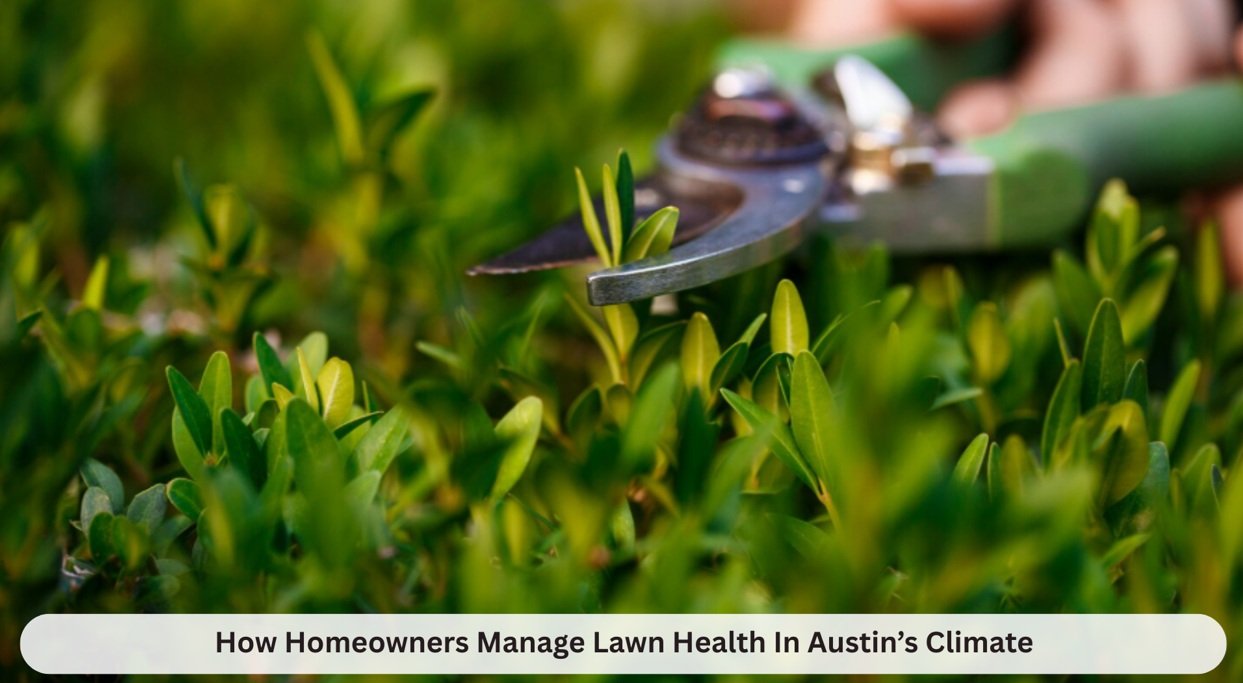
A healthy lawn in Austin is more than just a patch of green grass; it is a reflection of smart planning and consistent care in a climate that can be both hot and unpredictable. With long summers, intense sun, periodic droughts, and sudden changes in weather, a healthy lawn is less a matter of chance than a matter of strategy.
Homeowners in Austin need to manage their lawns in a manner that is able to resist heat stress, conserve water, and develop a healthy root system. Rather than generic methods of lawn management, they need to manage lawns that are climate-conscious.
This includes everything from selecting a type of grass to watering and managing weeds. By understanding how climate conditions impact lawn health, homeowners are able to make decisions that ensure a healthy lawn.
The following are various ways homeowners manage lawn health in Austin’s climate.
1. Regular Mowing to Appropriate Height
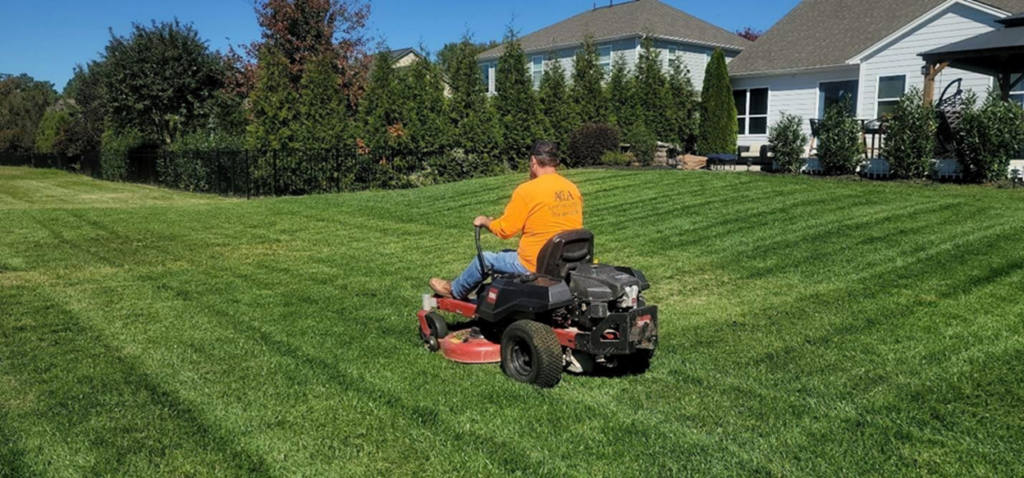
One of the most effective ways homeowners manage lawn health in Austin is by mowing regularly and maintaining the correct grass height. In hot climatic conditions, it is beneficial to have the grass grow a bit longer.
Growing the grass longer has the advantage of providing shade to the ground, thus reducing the amount of evaporation. This is particularly important during periods of high temperatures. That said, cutting the grass too short can compromise the health of the lawn.
Proper mowing height depends on the type of grass, but generally, leaving grass a bit longer encourages deeper root growth. Strong roots are essential in Austin’s climate because they allow the lawn to access water from deeper soil layers during dry periods.
For those who want consistent results without the time commitment, working with a lawn care company in Austin, TX can help maintain the proper mowing schedule and overall lawn health throughout the year.
2. Drought-Tolerant Grass Selection
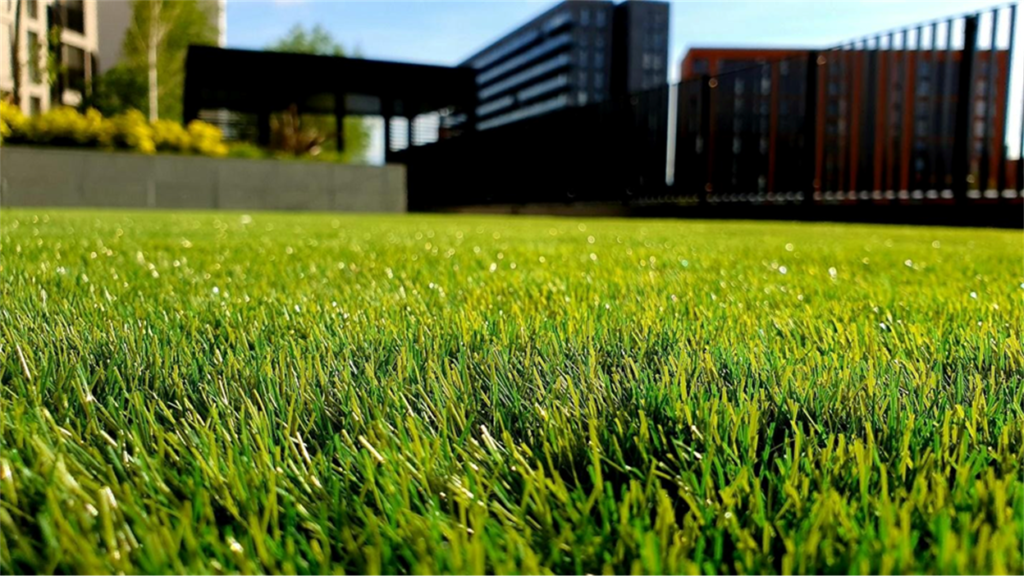
The selection of drought-resistant grass is perhaps the most intelligent move that a homeowner in Austin can make. This is because, in most cases, the region is characterized by high temperatures and low rainfall. Therefore, the selection of drought-resistant grass is likely to ensure the long-term survival of the grass.
Likewise, drought-resistant grass is specially designed to withstand heat stress and recover quickly from drought conditions. These grasses typically have deeper root systems, which allow them to access moisture stored further underground.
3. Seasonal Fertilization Schedules
Fertilizers are essential for maintaining healthy lawns. However, fertilization is more crucial when done during specific times of the year, especially in Austin’s climate. Homeowners follow seasonal fertilization schedules to ensure nutrients are applied when the grass can best absorb and utilize them.
In addition, fertilizers are necessary during peak growth times to enhance the density of the grass. In a warm climate, fertilizers are used based on growth patterns during specific times of the year.
This is because fertilizers are essential during peak growth times to enhance the density of the grass. Excessive growth is a threat to lawns because it makes the grass weak.
4. Proper Irrigation and Water Management
Water management is among the most critical aspects of Austin lawn care. The climate is hot and arid, which makes efficient irrigation systems a necessity and a critical aspect to facilitate the growth of healthy lawns.
For this purpose, homeowners often make use of sprinkler systems, which allow for a controlled and consistent supply of water. This further enables them to water the lawns in a controlled manner.
Also, this encourages healthy growth by allowing roots to penetrate further into the ground. Shallow, frequent watering can lead to weak root systems and increased vulnerability to heat stress.
5. Soil Testing and Amendments
A healthy lawn begins with healthy soil. In Austin’s climate, the type of soil may differ considerably. In some areas, the soil may contain clay, which may affect the drainage of the soil.
In order to understand the nutrient content of the soil, pH balance, and composition of the soil, it is often tested by the homeowner. Soil testing is essential to obtain important information on the type of amendments to be made to the soil.
If the soil is found to be imbalanced, amendments may be made to the soil. These amendments may include the addition of organic matter to the soil. Improving soil quality enhances water retention, root development, and nutrient availability.
6. Weed Control Using Safe Herbicides
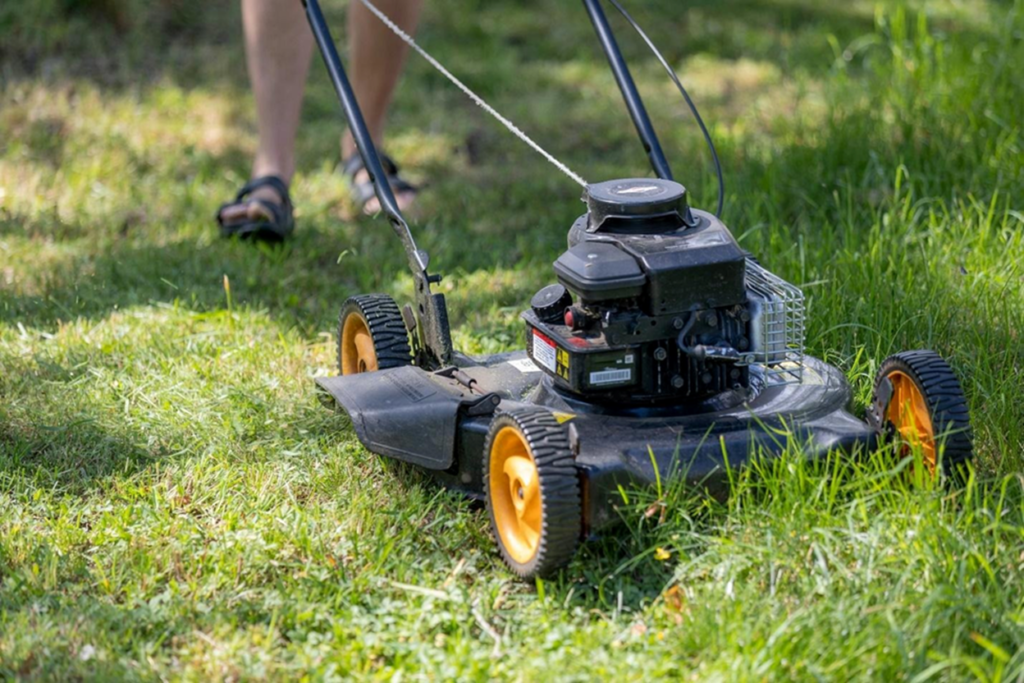
Weed control is another important part of managing lawn health in Austin. Weeds compete with grass for water, nutrients, and sunlight, which can be especially problematic during hot and dry periods.
Homeowners often use safe herbicides designed to target weeds without damaging surrounding grass. These treatments may include pre-emergent herbicides that prevent weed seeds from germinating, as well as post-emergent options that eliminate existing weeds.
Applying weed control products carefully and according to instructions helps maintain lawn balance. Proper timing is important, as certain treatments are more effective during specific growth stages.
In addition to herbicides, maintaining healthy turf through mowing, watering, and fertilization naturally reduces weed growth. Thick, well-maintained grass makes it harder for weeds to establish themselves.
Wrapping Up
Maintaining lawn health in the climate of Austin demands proper planning and maintenance. By paying attention to mowing the lawn regularly to the right height, choosing drought-resistant types of grass, and employing environmentally safe methods of controlling weeds, lawn owners can successfully manage to have a healthy lawn.
Each of the methods described above contributes to the overall lawn health by helping to overcome the problems posed by hot weather, drought, and a changing climate. Instead of taking a reactive approach to lawn maintenance, a proactive approach is the only way to successfully manage lawn health in the climate of Austin.