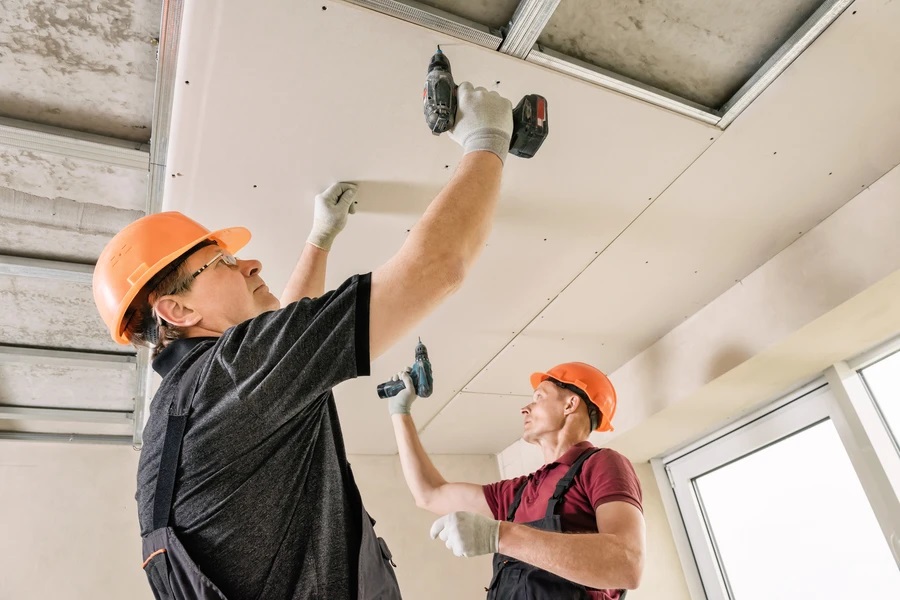
Interior walls play an important role in defining the appearance, comfort, and functionality of any property. Over time, walls can experience damage caused by accidents, moisture, everyday wear, furniture movement, or structural changes. Even minor imperfections such as cracks, holes, dents, or surface damage can affect the overall look of a room and reduce the sense of quality within a space. Addressing these issues properly helps maintain a clean, attractive, and well-maintained interior environment. Professional drywall repair provides an effective solution for restoring damaged surfaces and creating smooth finishes that blend seamlessly with existing walls.
Drywall has become one of the most widely used materials for interior construction because it offers affordability, versatility, and efficient installation. However, like any building material, it is not completely resistant to damage. Small problems can gradually become more noticeable if they are ignored, potentially leading to more extensive repairs in the future. Understanding common drywall issues, repair methods, and preventive measures allows property owners to protect their interiors while maintaining long-term value.
Understanding the Importance of Well-Maintained Interior Walls
Walls are one of the most visible features of any indoor space. A room with clean, smooth, and properly finished walls creates a more comfortable and appealing atmosphere. Damaged drywall can make even a beautifully designed room appear neglected. Cracks, holes, uneven textures, and damaged corners often become distractions that affect the overall appearance of a property.
Maintaining drywall is not only about improving aesthetics. Properly repaired walls also contribute to the structural condition and functionality of interior spaces. Damaged areas may allow moisture, dust, or air leaks to affect surrounding materials. Timely attention helps prevent small concerns from developing into larger problems that require more extensive restoration.
Regular inspection of interior walls allows homeowners and property managers to identify issues early. Addressing damage before it spreads can save time, reduce costs, and preserve the quality of the surrounding surfaces. A well-maintained interior creates a healthier and more enjoyable environment while supporting the long-term durability of the property.
Common Causes of Drywall Damage
Drywall damage can occur for many different reasons, ranging from accidental impacts to environmental conditions. One of the most common causes is physical impact. Moving furniture, children playing indoors, or accidental contact with walls can create holes, dents, and surface cracks. While these issues may seem minor, they can become increasingly visible over time.
Moisture is another major factor that can affect drywall performance. Water leaks from plumbing problems, roof issues, or excessive humidity can weaken drywall materials and cause staining, swelling, or deterioration. Moisture-related damage requires careful attention because untreated problems may encourage mold growth and affect indoor air quality.
Temperature changes and natural building movement can also contribute to cracks. As structures expand and contract due to seasonal conditions, small stress points may develop along seams, corners, and joints. These cracks are often repair vary in size, appearance, and complexity. Small nail holes and minor dents are among the easiest issues to correct. These typically require filling the damaged area with joint of the opening, repair methods may involve installing a patch, securing support material behind the drywall, applying compound layers, and carefully blending the table when identified early.
Poor installation practices may also lead to drywall problems. Incorrectly secured panels, weak joint treatments, or improper finishing techniques can create visible imperfections. Professional installation and quality materials help reduce the likelihood of future issues.
Different Types of Drywall Problems and Their Solutions
Drywall problems vary in size, appearance, and complexity. Small nail holes and minor dents are among the easiest issues to correct. These typically require filling the damaged area with joint compound, smoothing the surface, and applying matching paint once the repair material has dried.
Larger holes require additional reinforcement to restore the strength and appearance of the wall. Depending on the size of the opening, repair methods may involve installing a patch, securing support material behind the drywall, applying compound layers, and carefully blending the repaired section with the surrounding surface.
Cracks along seams or corners often require more detailed attention. Simply applying filler over a crack may provide only a temporary solution because the underlying movement can cause the problem to return. Proper preparation, reinforcement, and finishing techniques create a more durable result.
Water-damaged drywall requires special consideration. Before repairing the surface, the source of moisture must be identified and corrected. Damaged sections may need replacement if the material has lost its strength or developed serious deterioration. Attempting to cover severe moisture damage without proper evaluation can lead to recurring problems.
The Process Behind Professional Wall Restoration
A successful repair process begins with a thorough assessment of the damaged area. Professionals examine the size, cause, and condition of the problem before determining the most suitable approach. This evaluation ensures that the repair addresses the actual issue rather than simply hiding visible damage.
The preparation stage involves removing loose material, cleaning the damaged area, and creating a stable surface for repair materials mesh tape, or replacement drywall sections. Multiple layers are often applied to build strength and achieve a seamless appearance. Proper preparation is essential because it improves adhesion and helps achieve a smoother final result.
The next step involves applying appropriate repair materials. Depending on the damage, professionals may use joint compound, patches, mesh tape, or replacement drywall sections. Multiple layers are often applied to build strength and achieve a seamless appearance.
After the repaired area has dried, sanding and finishing create a smooth surface that matches the surrounding wall. The final stage usually involves priming and painting to ensure the repaired section blends naturally with the existing interior.
Benefits of Hiring Skilled Repair Professionals
While some minor drywall issues can be handled through do-it-yourself methods, professional assistance provides several important advantages. Experienced technicians understand different types of damage and know which repair methods provide lasting results.
One major benefit of professional service is improved appearance. Achieving a completely smooth finish requires skill, especially when matching existing textures and paint colors. Poorly completed repairs may leave visible patches, uneven surfaces, or noticeable differences between old and new sections.
Professionals also complete repairs more efficiently because they have the correct tools, materials, and experience. This reduces the risk of mistakes and prevents repeated repairs caused by improper techniques.
Quality workmanship can also protect the long-term value of a property. Well-maintained walls contribute to a polished interior appearance, which is especially important for homeowners preparing to sell or landlords maintaining rental properties.
Choosing the Right Materials for Long-Lasting Results
The quality of repair materials directly affects the durability and appearance of the finished work. Different types of joint compounds, tapes, patches, and drywall panels are designed for specific applications. Selecting the correct materials ensures better performance and reduces the likelihood of future damage.
For example, moisture-resistant drywall materials may be appropriate for areas exposed to higher humidity levels. Stronger reinforcement products may be necessary for larger repairs where additional support is required. Professional knowledge helps determine which materials provide the best results for each situation.
Paint selection is also important after repairs are completed. Using the correct primer and matching paint color helps create a consistent finish. Even a perfectly repaired surface can appear uneven if the final coating does not blend properly with the existing wall.
Improving Interior Appearance Through Wall Restoration
A repaired wall can completely transform the appearance of an interior space. Smooth surfaces create a cleaner background for furniture, decorations, lighting, and architectural features. Whether preparing for a renovation project or simply improving everyday surroundings, wall restoration provides noticeable visual benefits.
Freshly repaired drywall also makes painting projects more successful. Paint applies more evenly on properly prepared surfaces, creating a professional finish that enhances the overall atmosphere of a room.
Many property owners underestimate the impact that small wall imperfections can have on a space. Repairing cracks, holes, and damaged areas helps restore a sense of freshness and care without requiring major remodeling.
Preventing Future Drywall Damage
Although some damage is unavoidable, several preventive measures can help maintain drywall condition. Keeping indoor humidity levels controlled reduces the risk of moisture-related problems. Regularly checking for leaks and addressing plumbing concerns quickly can prevent extensive water damage.
Using furniture carefully and protecting walls during moving activities can minimize accidental impacts. Installing protective features in high-traffic areas may also reduce wear and tear.
Regular inspections allow homeowners to identify early warning signs. Small cracks or minor imperfections are easier and less expensive to correct compared to larger issues that develop after years of neglect.
Proper ventilation, routine maintenance, and timely drywall problems can be repaired successfully, some situations require partial or complete replacement. Severe water damage, extensive mold growth, major structural movement, or large areas of deterioration may compromise the repairs all contribute to healthier and more attractive interior spaces.
When Replacement May Be Necessary Instead of Repair
Although many drywall problems can be repaired successfully, some situations require partial or complete replacement. Severe water damage, extensive mold growth, major structural movement, or large areas of deterioration may compromise the integrity of the material.
Replacing damaged sections ensures that weakened materials do not continue affecting the surrounding structure. Professional evaluation helps determine whether repair or replacement is the most practical option.
Understanding when replacement is necessary prevents repeated repairs and provides a more reliable long-term solution. Investing in proper restoration methods protects both the appearance and functionality of interior spaces.
How Quality Repairs Add Long-Term Property Value
Interior maintenance plays a significant role in preserving property value. Buyers and tenants often notice the condition of walls immediately because they influence the overall impression of a space. Damaged or poorly maintained walls can create concerns about the condition of the entire property.
Consistent maintenance and professional restoration demonstrate responsible property care. Smooth, attractive walls contribute to a more welcoming environment while supporting better long-term value.
Whether addressing small imperfections or restoring larger damaged sections, investing in quality workmanship provides benefits that extend beyond appearance. Well-maintained interiors remain more comfortable, functional, and visually appealing over time.
Creating Better Spaces Through Reliable Wall Restoration
Interior walls are essential elements that influence both the beauty and practicality of a property. Although drywall is a durable and convenient construction material, regular maintenance is necessary to keep it in excellent condition. From minor holes to larger damaged sections, proper solutions can restore walls and improve the overall appearance of indoor spaces.
Choosing professional drywall repair services ensures that damage is handled correctly, materials are used effectively, and results remain durable. With proper techniques, damaged surfaces can be transformed into smooth, attractive finishes that enhance the comfort and value of any property.
Preventive care, quality materials, and timely attention are key factors in maintaining beautiful interiors. By addressing wall problems before they become more serious, property owners can enjoy cleaner, safer, and more appealing living environments. Investing in reliable restoration solutions is a practical way to protect interiors while creating spaces that remain attractive and functional for years to come.
Whether dealing with accidental damage, aging surfaces, or renovation needs, professional repairs provide the expertise required to achieve lasting results. A carefully restored wall does more than improve appearance; it contributes to the overall quality and enjoyment of the entire interior environment. With the right approach, drywall repair becomes an effective investment in maintaining strong, comfortable, and visually appealing spaces.