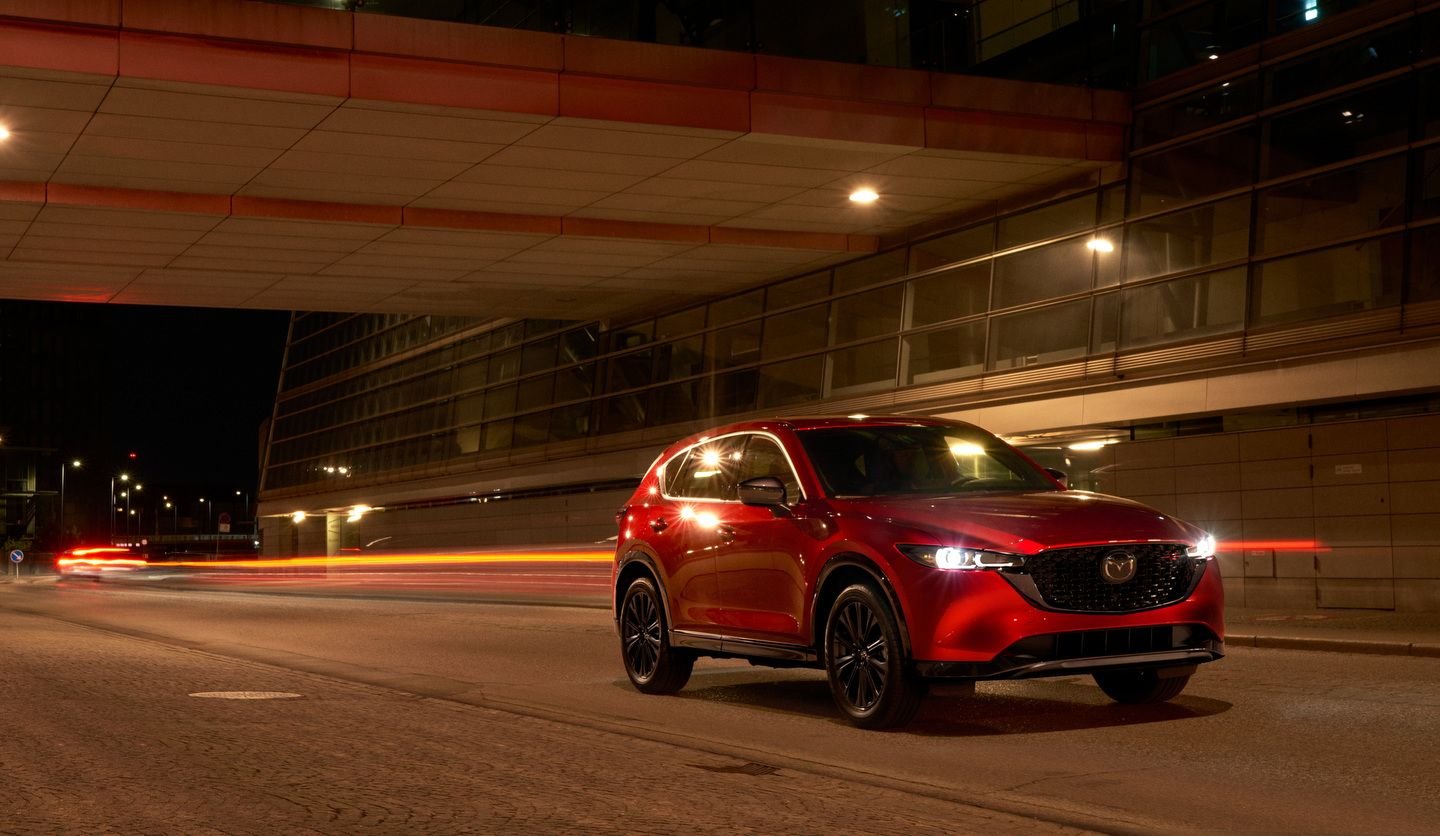
Urban driving environments demand vehicles that are easy to maneuver, simple to park, and efficient in stop-and-go traffic. Compact vehicle design has become increasingly valuable in cities where space is limited and driving conditions are constantly changing. Mazda has built a strong reputation for creating compact vehicles that blend style, efficiency, and driving enjoyment in a way that suits modern urban life. For shoppers exploring Mazda Garden City, understanding how compact design benefits Mazda vehicles helps explain why they are particularly well-suited for city driving environments.
Easy Maneuverability in Tight City Streets
One of the most important advantages of compact Mazda design is improved maneuverability. Urban roads often include narrow lanes, tight intersections, and heavy traffic, all of which require vehicles that respond quickly and smoothly.
Mazda’s compact engineering allows drivers to navigate congested streets with greater confidence. Smaller vehicle dimensions make turning easier, reduce the stress of lane changes, and improve control in dense traffic situations.
This level of agility is especially useful in urban areas where drivers must constantly adjust to changing road conditions, pedestrians, and unpredictable traffic flow.
Effortless Parking in Crowded Urban Areas
Parking is one of the biggest challenges in city driving, and compact Mazda vehicles offer a clear advantage in this area. Limited parking space in urban environments means drivers often compete for small or irregularly shaped spots.
A compact design allows Mazda vehicles to fit into tighter parking spaces with less effort. Parallel parking, garage parking, and street parking all become more manageable due to reduced vehicle length and width.
This convenience reduces daily driving stress and saves time, especially for commuters and city residents who park frequently throughout the day.
Better Fuel Efficiency for Stop-and-Go Traffic
Urban driving typically involves frequent stopping, idling, and slow-moving traffic. These conditions can increase fuel consumption in larger, heavier vehicles.
Compact Mazda models are designed to improve efficiency in these environments. Lighter body structures and optimized engine performance help reduce fuel usage during city driving conditions.
For drivers who spend significant time commuting through traffic-heavy areas, improved fuel efficiency translates into lower operating costs and fewer trips to the fuel station.
Enhanced Visibility in Urban Environments
Visibility plays a crucial role in safe city driving. Urban areas are filled with pedestrians, cyclists, parked cars, and constant movement, making awareness extremely important.
Compact Mazda vehicles often feature thoughtfully designed seating positions and window layouts that enhance outward visibility. Smaller dimensions also reduce blind spots compared to larger vehicles.
Improved visibility helps drivers react more quickly to unexpected changes in traffic, contributing to safer and more confident driving in busy environments.
Comfortable Driving in Heavy Traffic Conditions
Urban driving often involves long periods of stop-and-go movement, which can become tiring in larger or less responsive vehicles. Compact Mazda design helps improve comfort during these conditions.
Mazda focuses on creating driver-centered cabins that prioritize ergonomics, intuitive controls, and smooth handling. The compact size contributes to easier steering control and reduced driving effort in tight traffic situations.
This makes daily commuting less stressful and more manageable, especially for drivers who regularly navigate busy city routes.
Reduced Stress in Daily Commuting
City driving can be mentally demanding due to congestion, frequent stops, and constant awareness of surrounding vehicles. Compact Mazda design helps reduce this stress by simplifying driving tasks.
Smaller vehicle size makes it easier to change lanes, merge into traffic, and adjust positioning on the road. These advantages reduce the cognitive load on drivers and make urban commuting more predictable.
As a result, drivers often experience a more relaxed and controlled driving experience even during peak traffic hours.
Improved Agility for Quick Urban Movements
Urban environments require vehicles that can respond quickly to sudden changes, such as traffic lights, pedestrians crossing, or unexpected stops.
Compact Mazda models are engineered for responsive handling, allowing drivers to accelerate, decelerate, and steer with precision. This agility is especially useful in situations where quick reaction times are necessary.
The combination of compact size and responsive engineering enhances overall driving confidence in fast-paced city environments.
Easier Navigation Through Residential Areas
City driving is not limited to main roads—residential streets also present unique challenges such as parked cars, speed bumps, and narrow passages.
Compact Mazda vehicles are well-suited for navigating these areas due to their smaller footprint and controlled handling characteristics. Drivers can move through residential zones more easily without worrying about tight clearances or limited turning space.
This makes compact Mazda models ideal not only for downtown driving but also for everyday neighborhood travel.
Practical Cargo Space for Urban Needs
While compact vehicles are smaller in size, Mazda designs often maximize interior space efficiency. This allows drivers to carry groceries, work bags, personal items, and small luggage without sacrificing comfort.
Urban drivers typically do not require large cargo capacity on a daily basis, making compact design practical for everyday errands and city living.
Foldable seating configurations in many Mazda models further increase flexibility when additional storage space is needed.
Lower Maintenance and Operating Costs
Compact design often contributes to reduced maintenance and operating costs over time. Smaller vehicles generally place less strain on certain components and are often more fuel-efficient.
For urban drivers, this can translate into long-term savings on fuel, maintenance, and general upkeep. Mazda’s engineering approach focuses on balancing performance with efficiency, helping owners manage vehicle expenses more effectively.
This affordability factor adds to the overall appeal of compact Mazda vehicles in city environments.
Stylish Design That Fits Urban Lifestyles
Mazda is known for its focus on design aesthetics, and compact models are no exception. Urban drivers often value vehicles that reflect modern style and personality while remaining practical.
Compact Mazda vehicles combine sleek exterior design with refined interiors, making them visually appealing in city settings. Their modern styling fits well with contemporary urban lifestyles, where appearance and functionality both matter.
This balance of design and practicality helps Mazda stand out in competitive urban vehicle markets.
Better Adaptability to Changing Traffic Conditions
Urban traffic conditions can change rapidly, requiring vehicles that can adapt quickly. Compact Mazda models are designed to respond smoothly to varying speeds, road conditions, and driving patterns.
Whether navigating slow traffic, open roads, or tight intersections, compact design allows for consistent and predictable performance.
This adaptability makes Mazda vehicles reliable companions for daily urban commuting.
Conclusion
Compact design plays a key role in making Mazda vehicles highly effective for urban driving in Garden City. From improved maneuverability and easier parking to better fuel efficiency and enhanced visibility, these vehicles are designed to meet the specific demands of city life.
For drivers navigating busy streets, tight parking spaces, and frequent traffic changes, compact Mazda models offer a balanced combination of comfort, practicality, and driving enjoyment. As urban environments continue to grow and evolve, the benefits of compact design will remain an essential part of Mazda’s appeal in modern city driving.