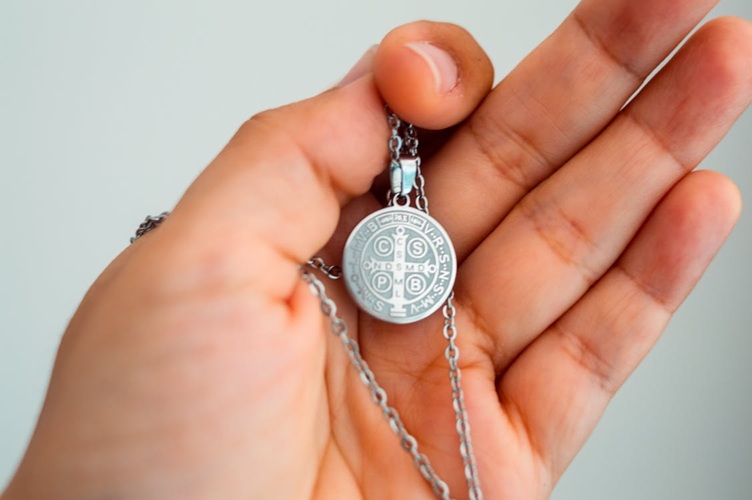
Faith has long influenced how individuals and communities interpret life’s most meaningful moments. From birth to death and everything in between, belief systems offer frameworks that help people process joy, navigate loss, and mark milestones with intention. These spiritual perspectives often shape the rituals, traditions, and symbols that define how memories are created and preserved. Whether expressed through quiet reflection or communal celebration, faith provides a lens through which life’s experiences gain deeper meaning.
The Role of Faith in Marking Life’s Milestones
Major life events—births, weddings, achievements, and even transitions—are often celebrated through traditions rooted in faith. These practices help individuals contextualize their experiences within a larger narrative of purpose and continuity. Ceremonies such as baptisms, blessings, or coming-of-age rituals reinforce the idea that life’s key moments are worth honoring in meaningful ways. Fashion-forward and versatile, rose gold bracelets offer a warm, romantic tone that complements many skin tones. Their distinctive color makes them a popular alternative to traditional gold jewelry. Whether worn individually or stacked with other accessories, they provide a trendy yet timeless finishing touch.
Faith-based traditions often infuse these milestones with symbolism and intentionality. A wedding, for example, may include prayers or sacred vows that connect the couple’s commitment to something greater than themselves. Similarly, welcoming a child into a family may involve rituals that emphasize gratitude, protection, and hope for the future.
These celebrations become more than events—they become markers of identity. Faith gives them a sense of permanence, encouraging individuals to reflect on their meaning long after the moment has passed.
Remembering Loved Ones Through Spiritual Perspectives
Loss is one of the most profound human experiences, and faith plays a critical role in shaping how people remember those they have lost. Many belief systems offer comfort by framing death as a transition rather than an ending. This perspective allows individuals to maintain a connection with loved ones through memory, prayer, and ritual.
Memorial services, anniversaries, and personal acts of remembrance often carry deep spiritual significance. Lighting candles, sharing stories, or visiting meaningful places are common ways people honor the lives of those who have passed. These acts are not solely about grief; they are about preserving legacy and reinforcing bonds that endure beyond physical presence.
Faith can also guide how individuals interpret the emotional complexity of loss. It provides language and structure for expressing sorrow while also encouraging hope, remembrance, and gratitude. In this way, remembrance becomes an ongoing, meaningful practice rather than a singular event.
Celebrating Daily Life with Intention and Gratitude
Faith does not only influence major milestones—it also shapes how individuals approach everyday life. Many traditions emphasize the importance of gratitude, mindfulness, and reflection, encouraging people to recognize meaning in ordinary moments.
Celebrations rooted in faith can be as simple as shared meals, family traditions, or quiet rituals that acknowledge life’s blessings. These practices create opportunities for connection and reflection, reinforcing the idea that every moment has value.
Within this context, people often find creative ways to preserve memories and express gratitude. Keepsakes, heirlooms, and symbolic objects can serve as tangible reminders of meaningful experiences. For some families, this may include items like long-lasting breastmilk preservation jewelry, which holds personal and spiritual significance as a representation of nurturing, sacrifice, and the early bond between parent and child.
These objects often carry deeper meaning because they are tied to moments shaped by love, care, and faith. They serve as physical reminders of intangible values, allowing individuals to revisit those experiences in a meaningful way.
The Power of Community in Faith-Based Celebrations
Faith rarely exists in isolation; it thrives within communities that share values and traditions. These communities play a central role in how life is celebrated and remembered. Gatherings for holidays, ceremonies, and life events create a sense of belonging and collective identity.
Community involvement can enhance both joyful and reflective experiences. Celebrations become more vibrant when shared with others, and times of loss can feel more bearable when supported by a compassionate network. Faith communities often provide structured opportunities for individuals to come together, offering guidance and support during significant life moments.
This collective approach to celebration and remembrance reinforces the idea that life’s experiences are interconnected. Individual stories become part of a larger narrative, shaped by shared beliefs and traditions. These communal experiences help create lasting memories that extend beyond personal perspective.
Evolving Traditions While Honoring Faith
As society changes, so do the ways people express their beliefs and celebrate life’s moments. Many individuals seek to balance traditional practices with modern influences, creating personalized expressions of faith that reflect their unique experiences.
This evolution does not diminish the role of faith; rather, it demonstrates its adaptability. People may incorporate contemporary elements into traditional ceremonies or find new ways to honor their beliefs through creative expression. The core values remain intact, even as the outward forms evolve.
This balance allows individuals to remain connected to their spiritual roots while also embracing new approaches to celebration and remembrance. It encourages a dynamic relationship with faith—one that grows and changes alongside life’s experiences.
Conclusion
Faith shapes the way people remember and celebrate life by providing meaning, structure, and connection. It influences how milestones are honored, how loved ones are remembered, and how everyday experiences are appreciated. Through rituals, traditions, and personal expressions, faith transforms moments into lasting memories that carry emotional and spiritual significance. In both joyful and challenging times, it offers a framework that helps individuals find purpose, connection, and a sense of continuity in the ever-changing journey of life.