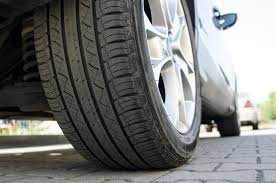
Tire wear is one of the most overlooked aspects of vehicle maintenance, yet it plays a major role in safety, performance, and long-term costs—especially in regions with extreme and unpredictable weather. Michigan is a perfect example of how climate, road conditions, and seasonal changes can significantly impact how quickly tires degrade. From icy winters to hot summers and rough road surfaces, drivers in this state experience tire wear patterns that differ greatly from many other parts of the country.
For buyers and drivers checking vehicles at Michigan used car dealerships, understanding tire wear is especially important because it often reveals how a car was driven and maintained before purchase.
Tire condition is more than just tread depth—it reflects driving habits, alignment health, road exposure, and seasonal usage. In Michigan, these factors combine in unique ways that accelerate wear if not properly managed.
How Michigan Weather Impacts Tire Wear
Michigan has one of the most demanding driving environments in the United States due to its four distinct seasons and rapid temperature changes. These shifts have a direct impact on rubber durability and tread life.
In winter, freezing temperatures cause tire rubber to harden, reducing grip and increasing the likelihood of uneven wear. Ice, snow, and road salt further contribute to surface degradation. In contrast, summer heat softens rubber, increasing friction and causing faster tread loss on hot asphalt.
This constant cycle of expansion and contraction stresses tires far more than stable climates, making seasonal maintenance essential for extending tire life.
The Effect of Snow and Ice on Tread Life
Winter driving in Michigan introduces unique challenges that significantly affect tire wear patterns. Snow-covered and icy roads reduce traction, forcing tires to work harder to maintain grip.
Key effects include:
- Increased tread scraping on ice and packed snow
- Uneven wear due to slipping and traction recovery
- Faster degradation of softer rubber compounds
Drivers often use winter tires during colder months, which are designed with softer rubber and deeper tread patterns. While these improve safety, they also wear faster when used on dry or warm roads.
Improper seasonal tire changes can lead to premature wear and reduced performance over time.
Road Salt and Its Hidden Impact on Tires
Michigan roads are heavily treated with salt during winter to prevent ice buildup. While this improves safety, it also contributes to tire wear in indirect ways.
Salt affects tires by:
- Accelerating corrosion of nearby wheel components
- Drying out rubber over time
- Increasing surface abrasiveness on road contact
When salt mixes with moisture and debris, it creates a gritty surface that increases friction between the tire and road. This leads to gradual but consistent tread erosion.
Regular washing during winter months helps reduce long-term damage caused by salt exposure.
Potholes and Road Surface Damage
One of the biggest contributors to uneven tire wear in Michigan is poor road conditions. Freeze-thaw cycles create potholes and cracks that are common throughout the state.
These road hazards can cause:
- Sudden impact damage to tire sidewalls
- Misalignment leading to uneven tread wear
- Flat spots from repeated shock absorption
Even small potholes can gradually shift wheel alignment, causing tires to wear more on one side. Over time, this reduces tire lifespan and increases replacement frequency.
Drivers who frequently travel on rough roads often experience significantly faster tire degradation.
Highway vs City Driving in Michigan
Tire wear also varies depending on driving environment. Michigan offers a mix of urban traffic and long highway stretches, both of which affect tires differently.
City driving involves:
- Frequent stopping and starting
- Sharp turns and tight corners
- Increased braking pressure
These conditions lead to faster tread wear, especially on front tires.
Highway driving involves:
- Steady speeds
- Less braking and turning
- More even weight distribution
Highway miles typically cause slower and more uniform tire wear. However, high-speed driving over long distances can still reduce tread life over time.
Seasonal Temperature Swings and Rubber Stress
Michigan’s temperature fluctuations between seasons are one of the most important factors affecting tire durability. Rubber compounds expand and contract with temperature changes, which affects their structural integrity.
Effects include:
- Cracking in cold conditions
- Softening in high heat
- Loss of elasticity over time
These changes make tires more vulnerable to wear, especially if they are not designed for all-season performance. Proper tire selection based on climate plays a major role in minimizing damage.
Alignment and Suspension Issues from Winter Driving
Winter conditions in Michigan often lead to alignment problems that indirectly increase tire wear. Hitting potholes, sliding on ice, or driving over uneven snow can shift suspension components.
When alignment is off, tires may:
- Wear more on one edge
- Develop uneven tread patterns
- Lose efficiency and grip
Suspension wear is also common due to harsh road impacts. If not corrected, these issues significantly shorten tire lifespan and reduce driving safety.
Regular alignment checks after winter are essential for maintaining even tire wear.
How Driving Habits Influence Tire Wear in Michigan
Driving behavior plays a major role in how quickly tires wear out, especially in challenging climates like Michigan.
Habits that increase wear include:
- Hard braking on slippery roads
- Rapid acceleration in cold conditions
- Aggressive cornering
- Driving on underinflated tires
Gentle driving habits, combined with proper tire maintenance, can significantly extend tire life even in harsh environments.
Tire Inflation and Seasonal Pressure Changes
Air pressure changes with temperature, which makes tire maintenance especially important in Michigan. Cold weather causes air pressure to drop, while heat increases it.
Consequences of improper inflation:
- Underinflation causes excessive edge wear
- Overinflation leads to center tread wear
- Uneven pressure reduces traction and stability
Checking tire pressure regularly during seasonal transitions helps prevent premature wear and improves fuel efficiency.
Winter Tires vs All-Season Tires in Michigan
Choosing the right tire type is critical for managing wear in Michigan conditions.
Winter tires:
- Offer better grip on snow and ice
- Wear faster in warm conditions
- Require seasonal swapping
All-season tires:
- Provide balanced performance year-round
- Wear more evenly in moderate conditions
- May struggle in extreme winter conditions
Many Michigan drivers switch between tire types to balance safety and longevity. Using the wrong tire for the season often results in accelerated wear and reduced performance.
What Tire Wear Reveals About Used Cars
Tire condition is often a valuable indicator when evaluating used vehicles. Uneven or excessive wear can reveal important information about how a car was previously driven.
Tire wear can indicate:
- Poor alignment or suspension issues
- Aggressive driving habits
- Lack of regular maintenance
- High mileage usage patterns
When inspecting vehicles, tire condition is often one of the first things experienced buyers and dealers evaluate.
Conclusion
Tire wear in Michigan is heavily influenced by a combination of weather conditions, road quality, driving habits, and seasonal changes. From icy winters and salted roads to hot summers and pothole-heavy streets, each factor contributes to faster and more uneven tire degradation than in many other regions.
Understanding these patterns helps drivers maintain safer vehicles, reduce long-term costs, and make smarter purchasing decisions. It also provides valuable insight when evaluating used cars, since tire condition often reflects the vehicle’s overall maintenance history.
By staying aware of Michigan’s unique driving challenges and maintaining proper tire care, drivers can significantly extend tire life while improving safety and performance year-round.