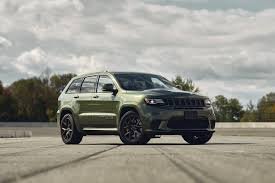
Evaluating the performance of an older Jeep requires more than a quick test drive—it demands a careful inspection of mechanical systems, driving behavior, and off-road wear history. Unlike regular vehicles, Jeeps are often used in demanding environments, which means hidden issues can significantly affect performance even if the vehicle looks fine on the outside. Before making a purchase, many buyers start by researching listings such as used Jeep cars for sale to understand market condition, but real performance evaluation happens during inspection and testing.
Understanding What “Performance” Means in an Older Jeep
Performance in an older Jeep is not just about speed. It includes engine health, drivetrain efficiency, suspension response, steering stability, braking power, and off-road capability. Since Jeeps are often driven on rough terrain, performance can degrade unevenly depending on how the vehicle was used.
Key performance areas include:
- Engine responsiveness and smoothness
- Transmission shifting quality
- 4WD system functionality
- Suspension comfort and stability
- Steering accuracy and control
Each of these systems must work together to deliver reliable performance.
Evaluating Engine Performance
The engine is the heart of any Jeep, and older models require careful inspection for wear and maintenance history.
Start by checking:
- Cold start behavior (should start smoothly without delay)
- Idle stability (no shaking or irregular RPM)
- Exhaust smoke (blue or white smoke may indicate issues)
- Engine noise (ticking or knocking suggests wear)
Older Jeeps may show issues such as oil leaks, carbon buildup, or reduced compression. A healthy engine should respond quickly when you press the accelerator and maintain consistent power output without hesitation. Poor engine performance often signals deeper problems like worn piston rings or valve issues.
Checking Transmission and Gear Response
The transmission directly affects driving smoothness and power delivery. In older Jeeps, both manual and automatic transmissions can develop wear over time.
What to look for:
- Smooth gear changes without jerks
- No delay when shifting from Park to Drive
- No slipping during acceleration
- Clutch smoothness (for manual models)
During a test drive, pay attention to how the Jeep behaves under acceleration. Hard shifts, grinding noises, or hesitation may indicate internal transmission wear. Many used Jeeps also suffer from poor maintenance history, so checking fluid condition is essential.
Testing the 4WD System and Drivetrain
One of the most important performance features in a Jeep is its four-wheel-drive system. Older Jeeps must be tested in all drive modes.
Key checks include:
- Engaging 4H and 4L smoothly
- No grinding or clunking sounds
- Proper power distribution to all wheels
- No binding during tight turns in 4WD
A faulty transfer case or worn drivetrain components can severely reduce off-road capability. Since Jeeps are often used in harsh conditions, drivetrain wear is common and must be checked thoroughly.
Evaluating Suspension Performance
Suspension health determines ride comfort and stability, especially in older Jeeps that may have been off-roaded heavily.
Check for:
- Uneven ride height
- Excessive bouncing after bumps
- Knocking or clunking noises
- Worn shock absorbers or bushings
Older Jeeps often experience suspension wear due to heavy off-road use. Worn components can lead to poor handling, instability, and reduced control at higher speeds.
A proper suspension system should absorb bumps smoothly and maintain vehicle balance during turns.
Steering and Handling Assessment
Steering performance is critical in older Jeeps because worn components can lead to unsafe driving conditions.
Look for:
- Loose or overly tight steering wheel
- Delayed response when turning
- Vibrations at higher speeds
- Uneven tire wear
Issues like worn ball joints or tie rods can affect steering precision and even cause dangerous conditions like “death wobble.”
A good Jeep should feel stable and controlled even on uneven roads.
Brake System Performance Check
Brakes are often overlooked but essential for evaluating overall performance.
Test for:
- Smooth and responsive braking
- No pulling to one side
- No grinding or squealing sounds
- Firm brake pedal feel
Old brake components, worn rotors, or contaminated fluid can reduce stopping power. During a test drive, braking should feel predictable and controlled at all speeds.
Inspecting Engine Cooling and Efficiency
Older Jeeps may suffer from overheating issues, especially if maintenance was inconsistent.
Check:
- Coolant level and condition
- Radiator leaks or corrosion
- Temperature gauge stability
- Fan operation
Overheating can significantly reduce engine performance and cause long-term damage if ignored.
Evaluating Real-World Driving Performance
A test drive is the best way to evaluate overall Jeep performance.
During driving, observe:
- Acceleration smoothness
- Gear shift timing
- Suspension response on rough roads
- Engine noise under load
- Steering stability at different speeds
Drive on both smooth and uneven surfaces to simulate real-world conditions. Older Jeeps should still feel capable and controlled even if they are not as refined as modern vehicles.
Checking for Off-Road Wear and Damage
Since Jeeps are built for off-road use, many older models show hidden wear underneath.
Inspect:
- Undercarriage rust or corrosion
- Scratched skid plates
- Damaged control arms or axles
- Fluid leaks from impact damage
Heavy off-road use often leaves signs of stress on the frame and suspension components, which directly affects long-term performance.
Conclusion
Evaluating performance in older Jeep cars requires a detailed and systematic approach. From engine health and transmission response to suspension stability and off-road wear, every component plays a role in how the vehicle performs. While Jeeps are known for durability and rugged capability, older models can develop hidden issues due to tough usage conditions. A careful inspection and thorough test drive help ensure you understand the real condition of the vehicle before buying. With the right evaluation, you can confidently choose a Jeep that still delivers strong performance and reliable adventure capability for years to come.