Why the Right Installer Matters
Few things beat sinking into a hot tub after a day on Aspen Mountain or a long ride along the Rio Grande Trail. But the soak you picture depends on decisions made long before the water ever warms up. The hot tub itself is only half the investment. The other half is the person who prepares your site, runs the power, sets the spa, and makes sure it survives a Colorado winter.
Choosing a hot tub installer in the Roaring Fork Valley is different from hiring one in a flat suburb at sea level. From Glenwood Springs to Aspen, homeowners deal with steep lots, heavy snow loads, freeze and thaw cycles, high altitude sun, HOA rules, and county permitting that varies from one jurisdiction to the next. A poor installation can lead to cracked pads, tripped breakers, frozen plumbing, and repairs that cost more than the tub.
This guide walks you through what to look for, what to ask, and what to avoid so you can hire with confidence and enjoy your spa for years.
Look for Real Mountain Experience
The first filter is simple: has this installer worked in conditions like yours? An installer who mostly works in the Front Range suburbs or out of state may be skilled, but mountain properties bring their own challenges. Local experience shows up in the details.
An installer who knows the valley will understand:
- Snow and ice loads. Roofs shed snow onto patios, and decks carry heavy winter weight. A good installer plans the spa location so sliding snow does not bury the cover or damage the cabinet.
- Freeze protection. Overnight lows in Aspen, Snowmass, and Woody Creek can drop well below zero. Your installer should talk about freeze protection settings, cover quality, and what happens during a power outage.
- Altitude and sun. UV exposure is stronger at elevation, which affects covers, cabinets, and water chemistry. Experienced pros recommend materials that hold up.
- Steep and tight access. Many homes in Basalt, Carbondale, and the upper valley sit on slopes or narrow drives. Getting a spa into a backyard may require a crane, a spa dolly, or a creative route.
- Short building seasons. Concrete work and excavation are easiest from late spring to fall. A local installer can help you plan around weather windows.
Ask to see photos of recent installs in the valley, and ask which neighborhoods they serve most often. A company that regularly works in your area will spot problems before they become expensive.
Verify Licensing, Insurance, and Permits
A hot tub installation usually involves electrical work, and sometimes concrete, decking, or structural changes. That means credentials matter. In Colorado, electrical work must be performed by a licensed electrician, and most new spa circuits require a permit and inspection.
Before you sign anything, confirm the following:
- Electrical licensing. Ask whether the installer has a licensed electrician on staff or works with a trusted subcontractor. Get the name and license number, then verify it with the Colorado State Electrical Board.
- General liability insurance. Request a certificate of insurance. This protects you if a crane damages your driveway or a delivery crew cracks a deck board.
- Workers’ compensation. If a worker is injured on your property and the company lacks coverage, you could face liability.
- Permit handling. Pitkin County, Eagle County, Garfield County, and the towns of Aspen, Snowmass Village, Basalt, Carbondale, and Glenwood Springs each have their own building departments. Ask who pulls the permits and schedules inspections.
- HOA approval. Many valley subdivisions and condo associations require design review before you add a spa. A good installer can provide drawings, spec sheets, and placement details for your application.
If an installer suggests skipping permits to save time or money, take that as a warning. Unpermitted work can create insurance problems, complicate a future home sale, and put your family at risk.
Understand Site Prep, Foundations, and Electrical Work
The best installers start with a site visit, not a phone quote. A filled hot tub can weigh several thousand pounds once you add water and people. Your installer should evaluate the ground, the access route, and the power supply before giving you a final price.
Foundation Options
A level, stable base protects the shell and keeps the warranty valid. Common options include:
- Poured concrete pad. The most durable choice, typically 4 inches thick or more, and well suited to freeze and thaw conditions.
- Paver or gravel base. Less expensive and good for drainage, but it must be compacted and leveled properly to avoid settling.
- Prefabricated spa pads. Interlocking plastic bases that install quickly on level ground.
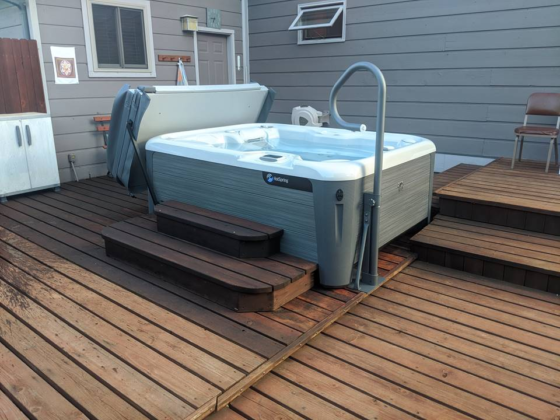
- Existing or new decks. Decks often need a structural evaluation or reinforcement. Ask whether an engineer should review the load.
Electrical Requirements
Most full-size spas run on a dedicated 240-volt circuit, often 40 to 60 amps, with a GFCI disconnect placed within sight of the tub. Your installer should check whether your electrical panel has enough capacity. Older homes and some mountain cabins may need a panel upgrade, which adds time and cost.
Delivery and Placement
Ask how the spa will reach its final spot. Crane rentals are common in the valley because of steep lots, retaining walls, and tight side yards. A professional installer will measure gates, check overhead lines, and plan the route in advance so there are no surprises on delivery day.
Questions to Ask Before You Hire
A short interview tells you a lot about how a company operates. Good installers welcome questions and answer them clearly. Use this list as a starting point:
- How long have you been installing hot tubs in the Roaring Fork Valley?
- Can you share references from customers in my town or neighborhood?
- Who handles the electrical work, and are they licensed in Colorado?
- Will you pull the permits and coordinate inspections?
- What type of foundation do you recommend for my site, and why?
- Is crane service included in the quote, or is it a separate charge?
- What is your typical timeline from deposit to first soak?
- What happens if weather delays the project?
- Do you offer startup service, water chemistry training, or a walkthrough?
- Do you provide ongoing maintenance, winterization, or repair service?
Pay attention to how they respond. Vague answers, pressure to sign quickly, or reluctance to put details in writing are all signs to keep looking.
Red Flags to Watch For
Most installers in the valley are hardworking professionals. Still, it pays to know the warning signs. Be cautious if an installer:
- Gives a firm price without visiting your property
- Cannot provide proof of insurance or an electrician’s license number
- Suggests skipping permits or inspections
- Asks for full payment up front
- Has no local references or recent project photos
- Avoids questions about warranties or service after the sale
- Has a pattern of unresolved complaints in online reviews
- Pushes a specific spa model without asking how you plan to use it
One red flag may have a reasonable explanation. Several together usually mean you should move on.
Compare Quotes and Warranties Carefully
Getting two or three quotes is smart, but the lowest number is not always the best value. Quotes in the valley can vary widely because each company bundles services differently. Make sure you are comparing the same scope of work.
A complete written quote should spell out:
- The spa model, size, and options included
- Foundation or pad work, including materials and thickness
- Electrical work, permit fees, and any panel upgrades
- Delivery, crane service, and placement
- Steps, cover, cover lifter, and other accessories
- Startup service, initial chemicals, and an owner walkthrough
- Payment schedule and estimated timeline
Know the Warranty Details
There are usually two warranties to understand. The manufacturer’s warranty covers the shell, equipment, and components. The installer’s warranty covers workmanship, such as the pad, wiring, and setup. Ask how long each lasts, what voids them, and who you call if something goes wrong.
Local service is a big advantage here. If a heater fails in January, you want a company nearby that can respond quickly, not one based hours away over a mountain pass.
Frequently Asked Questions
How long does a hot tub installation take?
The installation day itself often takes a few hours. The full process, including site prep, permits, concrete curing, and electrical inspection, usually takes two to six weeks depending on the season and your jurisdiction.
Do I need a permit to install a hot tub?
In most cases, yes. New electrical circuits typically require a permit and inspection. Decks, structural changes, and some pads may require building permits as well. Check with your local building department or ask your installer to handle it.
Can I install a hot tub in winter?
Yes, though it can be more complicated. Pouring concrete and excavating frozen ground are harder in winter. Many installers in the valley schedule pad work for warmer months and can set spas on existing surfaces year-round.
What kind of base is best for a mountain home?
A poured concrete pad is usually the most durable choice for freeze and thaw conditions. Decks can work well but often need reinforcement. Your installer should recommend a base after seeing your site.
How much does installation cost?
Costs vary based on site access, foundation type, electrical distance, and whether a crane is needed. Ask for an itemized quote after a site visit so you know exactly what is included.
Should I buy the hot tub and installation from the same company?
It often simplifies things. One company handles delivery, setup, warranty claims, and service. If you buy separately, confirm that your installer is comfortable working with your spa brand.
How do I keep my hot tub running through a valley winter?
Use a high-quality insulated cover, keep the water level and chemistry balanced, and make sure freeze protection is enabled. Ask your installer what to do if the power goes out during a cold snap.
Making Your Final Decision
The right hot tub installer in the Roaring Fork Valley combines local know-how with proper licensing, clear communication, and dependable service after the sale. Start by narrowing your list to companies with mountain experience and solid references. Schedule site visits, ask the questions above, and compare itemized quotes side by side.
Trust your instincts, too. The installer who listens to how you want to use your spa, explains your options plainly, and puts everything in writing is usually the one who will stand behind the work. Choose carefully now, and you will spend many winters soaking under the stars instead of worrying about repairs.