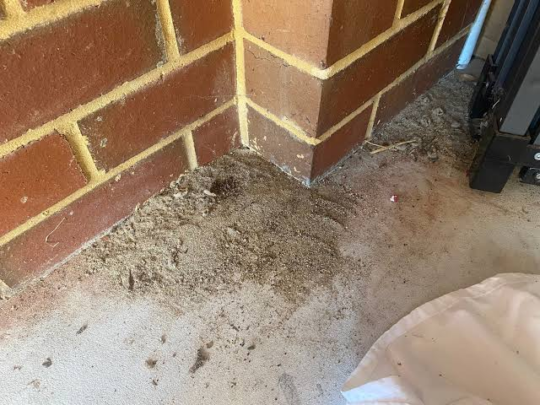
You head down to the basement and notice small piles of sand along the base of your stone foundation walls. You sweep them up, and a few weeks later they are back. Maybe you can even see grit trickling from the gaps between the stones when you brush against them.
If you own an older home in Amesbury, this is a very common discovery. Sand coming out of a stone foundation is your foundation’s way of telling you something is changing inside the wall. It is not usually an emergency, but it is a problem that grows over time if it is ignored. This guide explains what that sand really is, why it is appearing, what makes Amesbury homes especially vulnerable, and what proper stone foundation repair in Amesbury, MA, involves.
What That Sand Actually Is
In most cases, the sand on your basement floor is the remains of the mortar that once held your foundation stones together.
Many stone foundations built in the 1700s, 1800s, and early 1900s were laid with lime mortar. This mortar was a simple mix of lime, sand, and water. It was softer and more breathable than modern cement, which made it a smart choice for stone walls. It allowed moisture to move through the joints and let the wall flex slightly as the ground shifted.
The tradeoff is that lime mortar is designed to be sacrificial. Over decades, water slowly dissolves the lime binder. Once the lime is gone, what remains is loose sand with nothing holding it in place. Gravity, vibration, and moisture then carry that sand out of the joints and onto your floor.
In some foundations, the sand may also come from:
- Backfill soil sifting through open gaps where mortar has already washed out.
- Rubble fill inside thick double-faced stone walls, where the core was packed with small stones and loose material.
- Old parging on the interior face that has crumbled and fallen away.
Identifying the source matters, because loose backfill coming through the wall is a more advanced stage of deterioration than mortar dust alone.
The Main Causes of Sand Loss in Stone Foundations
Mortar does not wear out on its own. Several forces work together to break it down.
- Water infiltration. This is the leading cause. Rain and groundwater soak into the soil around your foundation and pass through the mortar joints. Each time water moves through, it dissolves a little more lime.
- Freeze-thaw cycles. Moisture trapped in the joints expands when it freezes. Over many winters, this repeated expansion loosens the mortar and pushes it out of the joints.
- Age. Even under ideal conditions, lime mortar typically needs repointing every few decades. Many local foundations have gone far longer than that without maintenance.
- Poor drainage. Overflowing gutters, short downspouts, and soil sloping toward the house concentrate water against the walls and speed up erosion.
- Soil pressure and settling. Shifting soil can open up joints and create gaps where sand and soil can migrate through.
- Humidity and condensation. Damp basement air can keep mortar wet on the interior side, softening it from the inside out.
- Pests and roots. Burrowing rodents, insects, and tree roots can disturb the soil behind the wall and widen openings in weakened joints.
Most foundations are dealing with two or three of these at once, which is why sand loss tends to accelerate once it starts.
Why Amesbury Homes Are Especially Affected
Amesbury’s history and geography make stone foundation deterioration particularly common here.
- A large stock of historic homes. Amesbury grew as a mill and carriage-making town, and many of its homes date back well over a century. A significant number still sit on their original fieldstone or granite foundations.
- Proximity to water. The Merrimack River, the Powwow River, Lake Gardner, and nearby wetlands mean many neighborhoods have relatively high groundwater, especially in spring.
- Coastal weather. Being close to the coast exposes homes to nor’easters and heavy rain events that can saturate the ground quickly.
- Harsh New England winters. Repeated freeze-thaw cycles each winter put steady stress on mortar joints.
- Dense glacial soils. Clay and compacted till in parts of the region drain slowly, holding water against foundation walls for long periods.
- Past repairs with the wrong materials. Many older homes have been patched over the years with modern cement, which can actually speed up the decay of surrounding lime mortar and stone.
The result is that sand on the basement floor is something many Amesbury homeowners eventually encounter, regardless of how well the rest of the house has been maintained.
Warning Signs the Problem Is Getting Serious
A small amount of sand is an early warning. The following signs suggest the deterioration has progressed and needs prompt attention:
- Deep, empty joints. You can push a screwdriver or your finger an inch or more into the gaps between stones.
- Loose or shifting stones. Stones wiggle when pushed, or some have already fallen out.
- Soil or roots in the joints. Dirt, rather than clean sand, is coming through the wall, which means backfill is migrating inward.
- Bulging or leaning walls. Any section of wall that bows inward or looks out of plumb is a structural concern.
- Water entering through the joints. Active leaks or wet stains during rain show open pathways through the wall.
- Cracks upstairs. New cracks in plaster, sticking doors and windows, or sloping floors can point to foundation movement.
- Increasing volume of sand. If you are sweeping up noticeably more each time, the erosion is accelerating.
If you notice any of these, it is time to have the foundation evaluated rather than continuing to sweep and wait.
Repair Solutions for a Sandy Stone Foundation
The right repair depends on how far the deterioration has gone and what is driving it. Here are the most common approaches used in stone foundation repair in Amesbury, MA.
Repointing
Repointing is the most common and effective fix for sand loss. A mason rakes out the loose, failing mortar to a sound depth, cleans the joints, and packs in fresh mortar. For historic stone walls, this should be a lime-based or low-strength mortar that is compatible with the original materials. Properly done, repointing restores the wall’s strength and stops sand from falling out.
Interior Parging
Parging is a coat of mortar applied over the interior face of the wall. It can give the basement a cleaner look and help contain minor dusting. However, parging over failing joints without repointing first only hides the problem. It should be breathable and applied over a sound wall.
Resetting or Replacing Stones
Where stones have loosened or fallen out, a mason can remove them, clean the cavity, and reset them in fresh mortar. Badly damaged stones can be replaced with similar stone to keep the wall’s character and strength.
Water Management
Because water is the main cause of mortar loss, controlling it is essential to making any repair last.
- Clean gutters and extend downspouts several feet from the house.
- Regrade soil so it slopes away from the foundation.
- Install an interior perimeter drain and sump pump where groundwater is high.
- Use a dehumidifier to keep basement humidity in check.
- Consider exterior excavation and drainage for severe cases.
Structural Repairs
Walls that bow, lean, or have lost significant stone may need more extensive work. Options include rebuilding a section of the wall, adding a concrete or block inner wall, installing reinforcement, or underpinning. These repairs should be designed by an experienced contractor and, in some cases, a structural engineer.
The Portland Cement Mistake and Other DIY Pitfalls
One of the most damaging things a homeowner or inexperienced contractor can do to a stone foundation is patch it with hard Portland cement mortar.
Modern cement is much harder and less breathable than lime mortar. When it is packed into the joints of an old stone wall, moisture that once escaped through the mortar gets trapped. That water is then forced out through the softer surrounding mortar or the stones themselves. The result can be faster mortar loss next to the patch, spalling stone, and cement patches that pop loose within a few years.
Other common DIY mistakes include:
- Raking joints too shallow. Fresh mortar smeared over loose sand will not bond and soon falls out.
- Sealing the wall with waterproof paint. Coatings can trap moisture inside the wall and peel as water pushes behind them.
- Spray foam or caulk in the joints. These fill gaps temporarily but do not restore the wall’s structural integrity.
- Ignoring the water source. Repointing without addressing drainage means the new mortar will start eroding right away.
- Removing too much at once. Raking out large sections of mortar at the same time can destabilize the wall.
The best approach is to use materials and methods that match how your foundation was originally built.
What to Do Now and How to Choose a Contractor
If you are finding sand along your foundation walls, these steps will help you protect your home and prepare for a repair:
- Track the sand. Sweep the area clean, then check it weekly. Note where it collects and whether the amount is increasing.
- Test the joints. Gently probe a few joints with a screwdriver to see how deep the loose mortar goes.
- Photograph the walls. Pictures of loose stones, bulges, or wet areas help a contractor assess the problem.
- Check outside. Look at gutters, downspouts, and grading around the house during a rainstorm.
- Control humidity. Run a dehumidifier to slow interior deterioration.
- Hold off on quick patches. Avoid filling joints with cement or foam until a professional has evaluated the wall.
When hiring for stone foundation repair in Amesbury, MA, look for a contractor who:
- Has hands-on experience with fieldstone and granite foundations, not just poured concrete.
- Understands lime mortar and uses compatible materials.
- Evaluates drainage and moisture, not just the mortar joints.
- Explains the scope of work clearly, including how deep joints will be raked.
- Provides a written estimate and warranty.
- Carries proper licensing and insurance and has strong local references.
Frequently Asked Questions
Is sand coming out of my stone foundation dangerous?
Not immediately. A small amount of sand is an early sign of mortar wear. Left alone, though, it can lead to loose stones, water leaks, and structural movement.
Can I just sweep it up and ignore it?
Sweeping is fine in the short term, but the sand will keep coming as long as the mortar is eroding. The underlying cause needs to be repaired.
How often does a stone foundation need repointing?
It varies with exposure to water, but lime mortar joints commonly need attention every few decades. Walls with poor drainage may need it sooner.
Should I use cement or lime mortar for repairs?
For most historic stone foundations, a lime-based or low-strength mortar is recommended. Hard Portland cement can trap moisture and damage the surrounding mortar and stone.
Will parging stop the sand?
Parging may contain surface dusting, but it does not fix failing joints behind it. Repointing should come first.
How long does repointing take?
A typical basement can take anywhere from a few days to a couple of weeks, depending on the size of the foundation and the depth of the deterioration.
Can a stone foundation be waterproofed?
Yes, but it is usually done through drainage rather than coatings. Interior drains, sump pumps, exterior grading, and gutter improvements are the most effective options.
Is my stone foundation worth repairing, or should it be replaced?
Most stone foundations can be repaired and will last for generations with proper maintenance. Replacement is generally reserved for walls with severe structural failure.
Protect Your Foundation Before Small Problems Grow
Sand on your basement floor is one of the earliest and easiest warning signs a stone foundation can give you. It usually means the lime mortar holding your walls together is wearing away, often because of water, freeze-thaw cycles, and age. Caught early, the fix is often straightforward repointing paired with better drainage.
Waiting, on the other hand, allows joints to empty, stones to loosen, and water to find new paths into your home. What starts as a sweeping chore can turn into a structural repair.
If you are seeing sand along your foundation walls, schedule an inspection with a mason who understands historic stone construction. The right materials and methods will keep your foundation strong for decades to come. Investing in quality stone foundation repair in Amesbury, MA, protects both the value and the character of your home.
Why Is Sand Coming Out of My Stone Foundation? Causes and Repair Solutions in Amesbury, MA
You head down to the basement and notice small piles of sand along the base of your stone foundation walls. You sweep them up, and a few weeks later they are back. Maybe you can even see grit trickling from the gaps between the stones when you brush against them.
If you own an older home in Amesbury, this is a very common discovery. Sand coming out of a stone foundation is your foundation’s way of telling you something is changing inside the wall. It is not usually an emergency, but it is a problem that grows over time if it is ignored. This guide explains what that sand really is, why it is appearing, what makes Amesbury homes especially vulnerable, and what proper stone foundation repair in Amesbury, MA, involves.
What That Sand Actually Is
In most cases, the sand on your basement floor is the remains of the mortar that once held your foundation stones together.
Many stone foundations built in the 1700s, 1800s, and early 1900s were laid with lime mortar. This mortar was a simple mix of lime, sand, and water. It was softer and more breathable than modern cement, which made it a smart choice for stone walls. It allowed moisture to move through the joints and let the wall flex slightly as the ground shifted.
The tradeoff is that lime mortar is designed to be sacrificial. Over decades, water slowly dissolves the lime binder. Once the lime is gone, what remains is loose sand with nothing holding it in place. Gravity, vibration, and moisture then carry that sand out of the joints and onto your floor.
In some foundations, the sand may also come from:
- Backfill soil sifting through open gaps where mortar has already washed out.
- Rubble fill inside thick double-faced stone walls, where the core was packed with small stones and loose material.
- Old parging on the interior face that has crumbled and fallen away.
Identifying the source matters, because loose backfill coming through the wall is a more advanced stage of deterioration than mortar dust alone.
The Main Causes of Sand Loss in Stone Foundations
Mortar does not wear out on its own. Several forces work together to break it down.
- Water infiltration. This is the leading cause. Rain and groundwater soak into the soil around your foundation and pass through the mortar joints. Each time water moves through, it dissolves a little more lime.
- Freeze-thaw cycles. Moisture trapped in the joints expands when it freezes. Over many winters, this repeated expansion loosens the mortar and pushes it out of the joints.
- Age. Even under ideal conditions, lime mortar typically needs repointing every few decades. Many local foundations have gone far longer than that without maintenance.
- Poor drainage. Overflowing gutters, short downspouts, and soil sloping toward the house concentrate water against the walls and speed up erosion.
- Soil pressure and settling. Shifting soil can open up joints and create gaps where sand and soil can migrate through.
- Humidity and condensation. Damp basement air can keep mortar wet on the interior side, softening it from the inside out.
- Pests and roots. Burrowing rodents, insects, and tree roots can disturb the soil behind the wall and widen openings in weakened joints.
Most foundations are dealing with two or three of these at once, which is why sand loss tends to accelerate once it starts.
Why Amesbury Homes Are Especially Affected
Amesbury’s history and geography make stone foundation deterioration particularly common here.
- A large stock of historic homes. Amesbury grew as a mill and carriage-making town, and many of its homes date back well over a century. A significant number still sit on their original fieldstone or granite foundations.
- Proximity to water. The Merrimack River, the Powwow River, Lake Gardner, and nearby wetlands mean many neighborhoods have relatively high groundwater, especially in spring.
- Coastal weather. Being close to the coast exposes homes to nor’easters and heavy rain events that can saturate the ground quickly.
- Harsh New England winters. Repeated freeze-thaw cycles each winter put steady stress on mortar joints.
- Dense glacial soils. Clay and compacted till in parts of the region drain slowly, holding water against foundation walls for long periods.
- Past repairs with the wrong materials. Many older homes have been patched over the years with modern cement, which can actually speed up the decay of surrounding lime mortar and stone.
The result is that sand on the basement floor is something many Amesbury homeowners eventually encounter, regardless of how well the rest of the house has been maintained.
Warning Signs the Problem Is Getting Serious
A small amount of sand is an early warning. The following signs suggest the deterioration has progressed and needs prompt attention:
- Deep, empty joints. You can push a screwdriver or your finger an inch or more into the gaps between stones.
- Loose or shifting stones. Stones wiggle when pushed, or some have already fallen out.
- Soil or roots in the joints. Dirt, rather than clean sand, is coming through the wall, which means backfill is migrating inward.
- Bulging or leaning walls. Any section of wall that bows inward or looks out of plumb is a structural concern.
- Water entering through the joints. Active leaks or wet stains during rain show open pathways through the wall.
- Cracks upstairs. New cracks in plaster, sticking doors and windows, or sloping floors can point to foundation movement.
- Increasing volume of sand. If you are sweeping up noticeably more each time, the erosion is accelerating.
If you notice any of these, it is time to have the foundation evaluated rather than continuing to sweep and wait.
Repair Solutions for a Sandy Stone Foundation
The right repair depends on how far the deterioration has gone and what is driving it. Here are the most common approaches used in stone foundation repair in Amesbury, MA.
Repointing
Repointing is the most common and effective fix for sand loss. A mason rakes out the loose, failing mortar to a sound depth, cleans the joints, and packs in fresh mortar. For historic stone walls, this should be a lime-based or low-strength mortar that is compatible with the original materials. Properly done, repointing restores the wall’s strength and stops sand from falling out.
Interior Parging
Parging is a coat of mortar applied over the interior face of the wall. It can give the basement a cleaner look and help contain minor dusting. However, parging over failing joints without repointing first only hides the problem. It should be breathable and applied over a sound wall.
Resetting or Replacing Stones
Where stones have loosened or fallen out, a mason can remove them, clean the cavity, and reset them in fresh mortar. Badly damaged stones can be replaced with similar stone to keep the wall’s character and strength.
Water Management
Because water is the main cause of mortar loss, controlling it is essential to making any repair last.
- Clean gutters and extend downspouts several feet from the house.
- Regrade soil so it slopes away from the foundation.
- Install an interior perimeter drain and sump pump where groundwater is high.
- Use a dehumidifier to keep basement humidity in check.
- Consider exterior excavation and drainage for severe cases.
Structural Repairs
Walls that bow, lean, or have lost significant stone may need more extensive work. Options include rebuilding a section of the wall, adding a concrete or block inner wall, installing reinforcement, or underpinning. These repairs should be designed by an experienced contractor and, in some cases, a structural engineer.
The Portland Cement Mistake and Other DIY Pitfalls
One of the most damaging things a homeowner or inexperienced contractor can do to a stone foundation is patch it with hard Portland cement mortar.
Modern cement is much harder and less breathable than lime mortar. When it is packed into the joints of an old stone wall, moisture that once escaped through the mortar gets trapped. That water is then forced out through the softer surrounding mortar or the stones themselves. The result can be faster mortar loss next to the patch, spalling stone, and cement patches that pop loose within a few years.
Other common DIY mistakes include:
- Raking joints too shallow. Fresh mortar smeared over loose sand will not bond and soon falls out.
- Sealing the wall with waterproof paint. Coatings can trap moisture inside the wall and peel as water pushes behind them.
- Spray foam or caulk in the joints. These fill gaps temporarily but do not restore the wall’s structural integrity.
- Ignoring the water source. Repointing without addressing drainage means the new mortar will start eroding right away.
- Removing too much at once. Raking out large sections of mortar at the same time can destabilize the wall.
The best approach is to use materials and methods that match how your foundation was originally built.
What to Do Now and How to Choose a Contractor
If you are finding sand along your foundation walls, these steps will help you protect your home and prepare for a repair:
- Track the sand. Sweep the area clean, then check it weekly. Note where it collects and whether the amount is increasing.
- Test the joints. Gently probe a few joints with a screwdriver to see how deep the loose mortar goes.
- Photograph the walls. Pictures of loose stones, bulges, or wet areas help a contractor assess the problem.
- Check outside. Look at gutters, downspouts, and grading around the house during a rainstorm.
- Control humidity. Run a dehumidifier to slow interior deterioration.
- Hold off on quick patches. Avoid filling joints with cement or foam until a professional has evaluated the wall.
When hiring for stone foundation repair in Amesbury, MA, look for a contractor who:
- Has hands-on experience with fieldstone and granite foundations, not just poured concrete.
- Understands lime mortar and uses compatible materials.
- Evaluates drainage and moisture, not just the mortar joints.
- Explains the scope of work clearly, including how deep joints will be raked.
- Provides a written estimate and warranty.
- Carries proper licensing and insurance and has strong local references.
Frequently Asked Questions
Is sand coming out of my stone foundation dangerous?
Not immediately. A small amount of sand is an early sign of mortar wear. Left alone, though, it can lead to loose stones, water leaks, and structural movement.
Can I just sweep it up and ignore it?
Sweeping is fine in the short term, but the sand will keep coming as long as the mortar is eroding. The underlying cause needs to be repaired.
How often does a stone foundation need repointing?
It varies with exposure to water, but lime mortar joints commonly need attention every few decades. Walls with poor drainage may need it sooner.
Should I use cement or lime mortar for repairs?
For most historic stone foundations, a lime-based or low-strength mortar is recommended. Hard Portland cement can trap moisture and damage the surrounding mortar and stone.
Will parging stop the sand?
Parging may contain surface dusting, but it does not fix failing joints behind it. Repointing should come first.
How long does repointing take?
A typical basement can take anywhere from a few days to a couple of weeks, depending on the size of the foundation and the depth of the deterioration.
Can a stone foundation be waterproofed?
Yes, but it is usually done through drainage rather than coatings. Interior drains, sump pumps, exterior grading, and gutter improvements are the most effective options.
Is my stone foundation worth repairing, or should it be replaced?
Most stone foundations can be repaired and will last for generations with proper maintenance. Replacement is generally reserved for walls with severe structural failure.
Protect Your Foundation Before Small Problems Grow
Sand on your basement floor is one of the earliest and easiest warning signs a stone foundation can give you. It usually means the lime mortar holding your walls together is wearing away, often because of water, freeze-thaw cycles, and age. Caught early, the fix is often straightforward repointing paired with better drainage.
Waiting, on the other hand, allows joints to empty, stones to loosen, and water to find new paths into your home. What starts as a sweeping chore can turn into a structural repair.
If you are seeing sand along your foundation walls, schedule an inspection with a mason who understands historic stone construction. The right materials and methods will keep your foundation strong for decades to come. Investing in quality stone foundation repair in Amesbury, MA, protects both the value and the character of your home.