Gyms are great and all, but let’s be honest, a lot of us just don’t make it there consistently. Between work, kids, traffic, and just general exhaustion by the end of the day, the gym membership sitting unused in your bank statement is basically a modern rite of passage at this point.
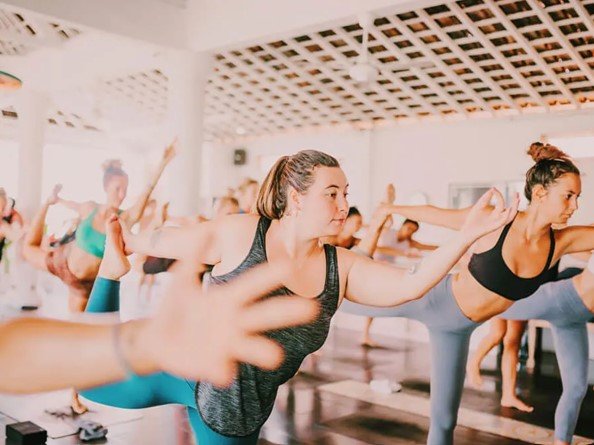
Good news though. You genuinely don’t need a gym to get fit, or stay fit, or even build real strength. Your living room, your bedroom floor, a bit of open space in the garden, all of that works fine if you know what you’re doing with it. This is about actually staying fit at home in a way you’ll keep doing, plus some food that supports all that without tasting like cardboard.
Why Home Workouts Actually Work
There’s this idea floating around that home workouts are somehow the lesser option, like they’re what you do until you can afford a “real” gym. That’s just not true anymore, and honestly it probably never fully was.
Bodyweight training, resistance bands, a couple of dumbbells if you want to invest a little, that’s genuinely enough to build strength, improve cardiovascular fitness, and keep you in good shape long term. The research on this is pretty clear at this point, muscles don’t know the difference between a barbell in a gym and a resistance band in your living room, they just respond to being challenged consistently.
The real advantage of training at home isn’t even really about the exercises themselves. It’s the removal of friction. No commute, no waiting for equipment, no feeling weird about being new at something in front of strangers. You just get up and do it, which sounds small but honestly ends up being the difference between people who stick with fitness long term and people who quietly stop after three weeks.
Building a Home Workout You’ll Actually Keep Doing
Start smaller than you think you need to. This is the one piece of advice almost nobody follows and it’s probably the most important one. If you’re just getting back into things, three sessions a week of twenty to thirty minutes each is plenty to start seeing real progress. You can always add more later once it feels normal rather than like a chore.
Cover the basics, don’t overthink the exercise selection. Squats, push ups, some kind of pulling movement, a core exercise, a bit of cardio. That combination covers pretty much everything your body needs and none of it requires equipment beyond maybe a resistance band if push ups feel too tough at first.
Use what you’ve got around the house. Water bottles or bags of rice work fine as light weights when you’re starting out. A sturdy chair works for step ups or tricep dips. Stairs, if you’ve got them, are honestly one of the most underrated cardio tools that exist, nobody thinks of their own staircase as gym equipment but it absolutely is.
Increase gradually rather than switching things up constantly. You don’t need a new workout every single day, that’s more of a social media thing than an actual training principle. Doing slightly more than last time, one more rep, a few extra seconds holding a plank, adds up way more than jumping between random workouts that never build on each other.
Move on rest days too, just gently. A walk, some light stretching, nothing intense. Full days of doing absolutely nothing tend to make it harder to get back into the next workout than staying loosely active does.
A Simple Weekly Setup
Something like this works well for most people just starting out at home. Monday, full body strength, squats, push ups, some kind of row or pull movement, a plank. Tuesday, a walk or light cardio, nothing structured, just move. Wednesday, another full body session, similar structure but push a bit harder than Monday. Thursday, rest or a gentle walk. Friday, full body again, maybe add a few extra reps or a harder variation of an exercise you did earlier in the week. Weekend, whatever feels good, a hike, some stretching, actual rest if your body’s asking for it.
Rearrange however fits your actual schedule. The structure matters less than the consistency of just showing up most weeks.
Food Matters Just As Much As the Workouts
You can train perfectly and still feel sluggish and stuck if what you’re eating isn’t supporting any of it. The good news, same as with the workouts, eating well at home doesn’t need to be complicated or expensive.
Protein at most meals helps more than people expect. Eggs, chicken, beans, yoghurt, whatever fits your preferences, it keeps you fuller for longer and supports the muscle you’re building in those home workouts.
Vegetables, roughly half your plate if you can manage it. Sounds basic because it is basic, but it’s genuinely one of the highest impact habits for how you feel day to day.
Don’t cut out entire food groups just because some trend online told you to. Carbs and fats are both necessary, your body actually needs them to function and recover properly, especially if you’re training regularly.
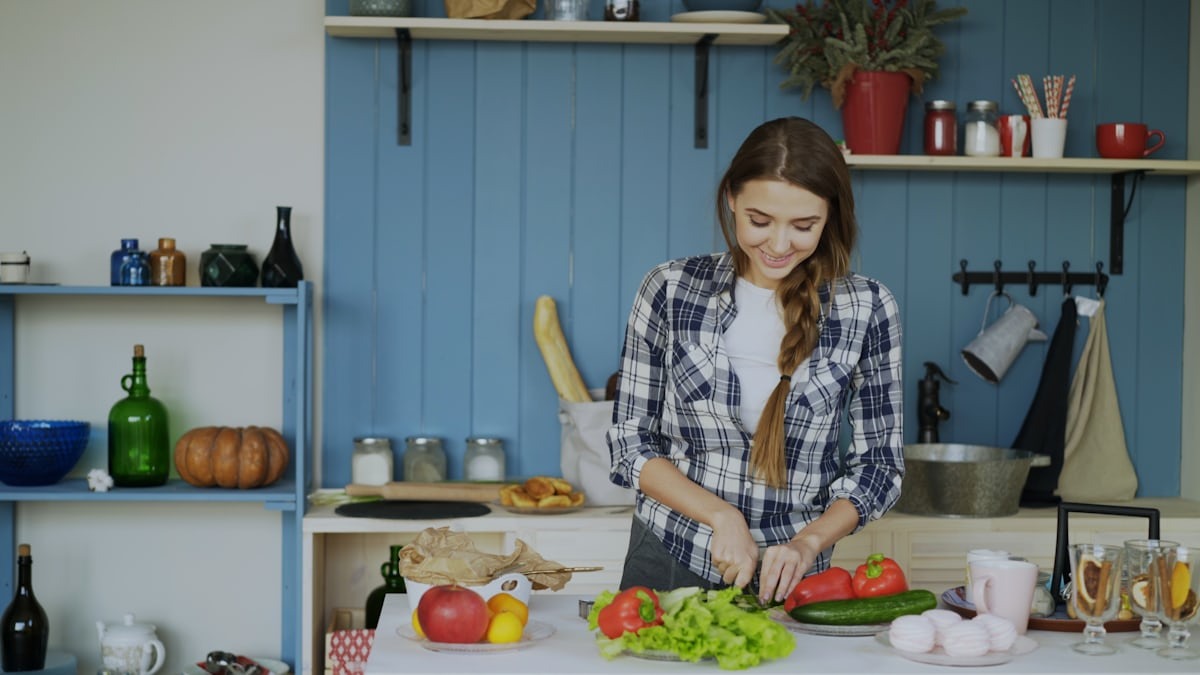
Cooking at home more often just gives you control. Not because takeout is some evil thing, it’s not, but when you’re the one cooking you know exactly what’s going into your food.
Recipes Worth Actually Making
Veggie and egg scramble. Whisk a few eggs, throw in whatever vegetables you’ve got lying around, spinach, peppers, onion, mushrooms, cook it all together in a pan with a bit of olive oil. Takes ten minutes, keeps you full for hours, and it’s basically impossible to mess up.
Chicken and rice bowl. Cook chicken breast or thighs with garlic, paprika, a bit of salt and pepper. Serve over rice with whatever vegetables you’ve got roasted or steamed alongside. Add a spoon of yoghurt or a squeeze of lime if you want extra flavour. This one’s a genuine staple for a reason, works for lunch or dinner and reheats well the next day too.
Overnight oats. Oats, milk, a spoon of yoghurt, honey, cinnamon, mixed together in a jar the night before. Add fruit and nuts in the morning. Genuinely one of the easiest breakfasts that exists and it keeps you full way past what a bowl of cereal ever manages.
Stir fry with whatever’s in the fridge. Protein of choice, chicken, tofu, shrimp, whatever, cooked quickly in a hot pan with garlic and ginger, then vegetables added and cooked until just tender. A splash of soy sauce, maybe a bit of sesame oil at the end. This is one of those meals that’s basically impossible to get wrong once you understand the basic method, and it’s a great way to use up vegetables before they go off.
Homemade energy balls. Blend oats, peanut butter, honey, and a bit of dark chocolate or dried fruit in a food processor, roll into small balls, and keep them in the fridge. Perfect for when you want something a bit sweet after a workout without reaching for something processed.
Making It Actually Stick
The honest truth is that staying fit at home isn’t really about finding the perfect workout or the perfect meal plan. It’s about building something simple enough that you’ll actually keep doing it months from now, not just for the first excited week.
Move most days, even if it’s just twenty minutes. Eat reasonably well most of the time, without turning food into some stressful thing you’re constantly monitoring. Let yourself have off days without spiralling about it. And genuinely, give yourself credit for showing up consistently rather than chasing some dramatic transformation that never really lasts anyway.
Home fitness works. Not as a backup plan, not as the lesser option, just as a genuinely solid way to build strength, feel better, and stay consistent without needing anything more than the space you already have.