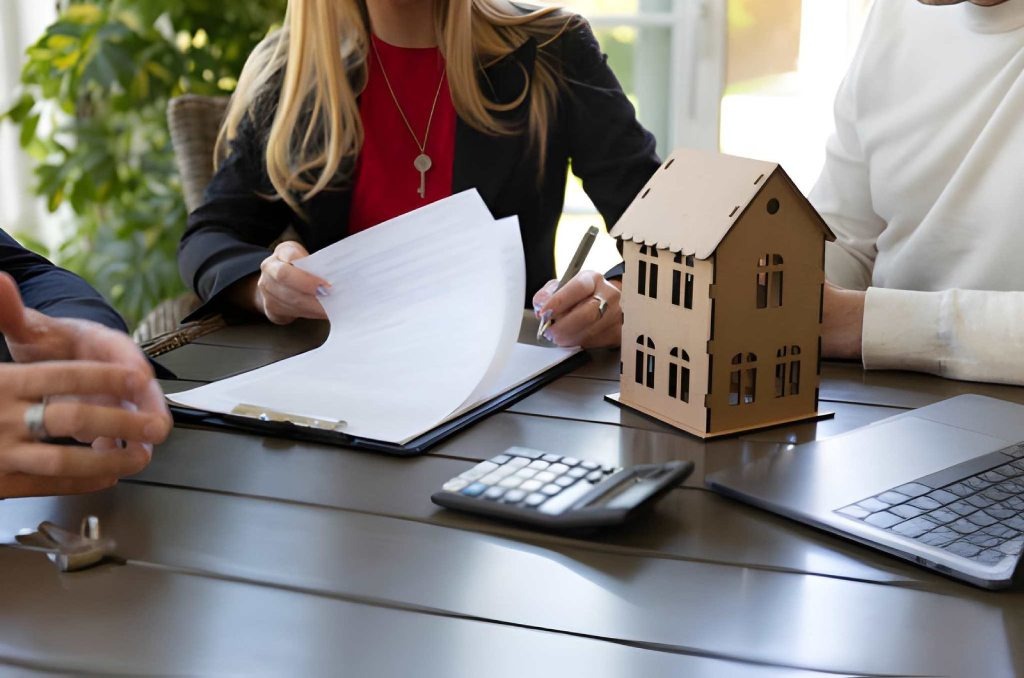
Buying a home is a lot like dating. In the beginning, everything looks perfect. You see shiny floors, big windows, and beautiful paint. But before you marry that mortgage, you need to know what happens when the honeymoon phase ends.
If you do not ask the right questions early on, you might end up with a money pit. A bad house can drain your bank account faster than a hole in a bucket. Let’s walk through the exact questions you need to ask to buy with confidence.
Buying a home is a huge step, but it is easy to make mistakes if you do not ask the right questions first.
This guide shares the top questions you must ask about the house, the neighborhood, and the real estate developers to protect your money. By checking these details early, you can avoid hidden costs and find a safe, happy place to live.
1. What is the True History of the Property?
Before you buy a home, you must ask about its past repairs, age, and any previous damage from water or pests. Knowing the house’s history protects you from expensive, hidden structural problems after you move in.
Think of a house like a used car. You would not buy a car without checking the accident report first. You need to know if the roof leaks when it rains hard or if the pipes are about to rust through.
Ask the owner for a full list of past fixes. If they just put up shiny new drywall, ask why. Were they hiding mold? Were they covering up cracks from a shifting foundation? A pretty layer of paint can hide many secrets.
2. Who Are the Real Estate Developers Behind the Project?
You need to research the builders’ track record, reviews, and past projects before signing a contract. Choosing trusted, high-quality companies ensures your home is built safely and legally, and completed exactly on time.
If you are buying a brand-new home or a condo, the team that built it matters immensely. You want to ensure your real estate developers have a strong reputation. Look at the other neighborhoods they built five or ten years ago. Are those houses still standing strong, or are the walls cracking?
Do your homework online. Check review sites and talk to people who live in their older buildings to see if they are happy.
3. What Are the Total Costs Beyond the Sticker Price?
The real cost of a home includes property taxes, insurance, utility bills, and monthly homeowner association fees. You must calculate these extra monthly expenses so you do not stretch your budget too thin.
The price tag on the house is just the starting point. Buying a home is like adopting a puppy; the puppy itself costs money, but so do food, vet bills, and toys.
You need to ask about the hidden monthly bills. High property taxes can add hundreds of dollars to your monthly payment. If the house has a pool or a big yard, your water bill will jump. Always ask to see the average utility bills from the past year so you know what you will actually pay.
4. How Is the Neighborhood Changing?
Always check local zoning laws, school ratings, and future city construction plans for the surrounding area. A neighborhood that is growing safely will help your property value rise over the years.
You can fix an ugly kitchen, but you cannot fix a bad location. Walk around the block at different times of day. Is it loud at night? Is traffic terrible during rush hour?
Also, look at what the city plans to build nearby. A new park will make your home worth more. A new 24-hour highway right behind your backyard will do the exact opposite.
Comparing Your Property Options
To help you choose the best path, here is a simple breakdown of buying a brand-new home versus an older home.
| Shopping Feature | Buying a Brand-New Home | Buying an Older Home |
| Upfront Cost | Usually higher price tag | Often a lower price tag |
| Surprise Repairs | Very low (everything is new) | Higher risk of old parts breaking |
| Character & Style | Modern, but it can look like every other house | Unique charm, but might need updates |
| Move-In Time | Might have to wait for builders to finish | You can move in almost right away |
Your Quick Checklist Before Buying
Here is a simple list of actions you can take today to stay safe:
- Hire an independent home inspector: Never use the inspector recommended by the seller. Find your own expert to check the attic, foundation, and plumbing.
- Talk to the neighbors: Knock on a few doors. Ask the people living there what they love and hate about the area.
- Read the HOA rules: If the neighborhood has a homeowner association, read their rulebook. Make sure you are okay with their limits on pets, parking, and paint colors.
- Get pre-approved for a loan: Know your exact budget before you start looking at houses, so you do not fall in love with a place you cannot afford.
Conclusion
Buying a home should be an exciting milestone, not a stressful trap.
By asking tough questions about the building history, the neighborhood, and the real estate developers, you put yourself in control.
Take your time, do your research, and do not be afraid to walk away if something feels wrong.
Are you ready to start your home search safely? Sit down with a trusted local real estate agent today and share this list of questions with them to get started on the right foot!