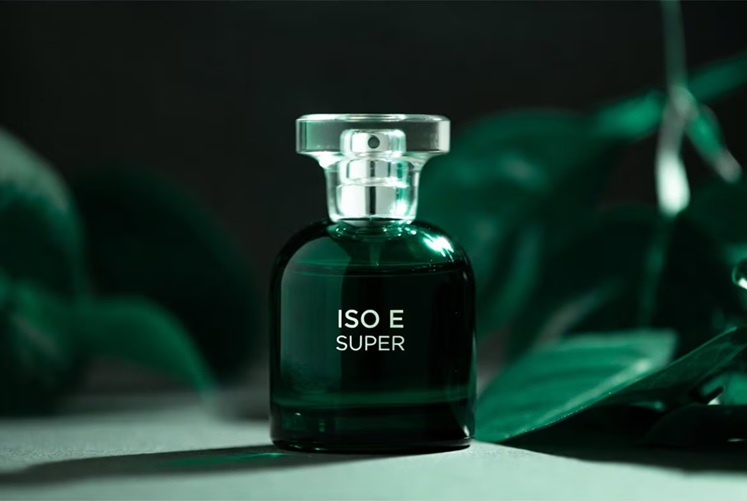
ISO E Super is a soft, woody-amber aroma molecule prized in perfumery for its smooth, velvety character and excellent fixative properties. It blends seamlessly with florals, woods, musks, and spices, enhancing diffusion and adding a clean, skin-like aura that makes fragrances feel more rounded and long-lasting.
Have you ever caught a scent that seemed to float around someone without ever announcing itself? That subtle, almost magnetic quality often comes from a single ingredient that perfumers reach for again and again. It smooths rough edges, lifts other notes, and gives a fragrance its lingering, addictive trail.
In this guide, you will learn what this molecule is, why perfumers love it, how it behaves in a blend, and how you can use it in your own creations. Whether you craft fine perfumes, soaps, or candles, understanding this material will help you build richer, more polished compositions.
What Is This Woody-Amber Molecule?
The ingredient in question is a synthetic aroma chemical with a soft, woody, amber-like profile. It carries a clean, velvety scent with hints of cedar and a touch of clean musk. Rather than shouting for attention, it quietly settles into the background and improves everything around it.
Perfumers describe its character as transparent and diffusive. That means it spreads outward and creates an aura, yet it never overwhelms the other materials in a formula. This balance of presence and subtlety is exactly what makes it so valuable.
A few quick facts about the material:
- Scent family: Woody
- Scent profile: Velvet, cedar, clean musk
- Role in a formula: Base note and fixative
- Appearance: Transparent liquid
- Common uses: Perfumery, soap making, candle making
Why Perfumers Rely on It
There is a reason this molecule appears in so many cult-favorite scents. It works as a quiet helper that elevates the whole composition. Here are the main reasons it earns a permanent spot on a perfumer’s bench.
It Smooths Transitions Between Notes
Fragrances are built in layers, with top, middle, and base notes that should flow into each other. Sometimes those transitions feel rough or disjointed. This material acts like a soft bridge, blending the layers so the scent unfolds gracefully on the skin.
It Boosts Diffusion and Sillage
A good fragrance should reach beyond the wearer just enough to be noticed. This molecule helps a scent radiate outward, creating that soft halo people often associate with expensive perfumes. It does this without making the blend feel heavy or sharp.
It Acts as a Reliable Fixative
Longevity is one of the biggest concerns in perfumery. A fixative slows down evaporation so the fragrance lasts longer on the skin. This material is an excellent fixative, helping delicate notes stay present for hours rather than fading within minutes.
It Adds a Clean, Skin-Like Aura
Many wearers want a scent that smells like an enhanced version of themselves. The velvety, slightly musky quality of this molecule creates a natural, skin-close effect. It feels intimate and modern, which is why it appears in so many contemporary releases.
How It Compares to Ambroxan Crystals Natural
When building woody-amber accords, perfumers often weigh different materials against each other. Ambroxan Crystals Natural offers a warm, ambery, slightly salty character that brings depth and radiance to a blend. It is bold and assertive, giving a formula a rich amber heart.
The woody-amber molecule we have been discussing plays a different role. Instead of adding a strong amber statement, it works quietly to smooth and extend a composition. Choose a powerful amber material when you want noticeable warmth and depth. Reach for the softer woody molecule when you want subtle diffusion, smoothness, and a clean finish.
In practice, many perfumers use both together. The amber material provides the warm backbone, while the woody molecule rounds the edges and pushes the scent outward. The two materials complement each other beautifully.
How to Use ISO E Super in Your Blends
One of the best features of this molecule is its flexibility. It pairs effortlessly with florals, woods, musks, ambers, spices, and even bright citrus. This makes it a true building block for both beginners and experienced creators.
Here are a few practical tips:
- Start with a generous dose. This material is famously forgiving. Many formulas use it at high percentages, sometimes 20 percent or more, without the scent becoming overpowering.
- Use it to extend other notes. If a floral or woody accord fades too fast, add this molecule to anchor it and improve longevity.
- Pair it with musks and ambers. It blends naturally with clean musks and warm amber materials, creating smooth, rounded woody-amber accords.
- Experiment in soaps and candles. Beyond fine fragrance, it performs well in soap making and candle making, where its diffusive quality helps scent fill a room.
Because it is so easy to work with, this material is a great choice for anyone learning to formulate. It rarely clashes, and it often improves a blend that feels flat or thin.
What Does It Smell Like on Its Own?
On its own, the molecule has a soft, cedar-like woodiness wrapped in a velvety, slightly musky veil. Some people detect it strongly, while others barely notice it at all, since sensitivity to this material varies from person to person. That quiet, transparent quality is precisely why it works so well as a supporting player rather than a star.
When you smell it directly, do not expect a dramatic burst. Instead, you will notice a clean, smooth, woody warmth that seems to hover. In a finished perfume, that same quality translates into the subtle aura many fragrance lovers chase.
Bringing It All Together
This woody-amber molecule has earned its reputation as a modern perfumery essential. It smooths transitions, boosts diffusion, fixes delicate notes in place, and lends a clean, skin-like glow to almost any composition. Few materials offer this much value with so little effort.
If you are ready to elevate your own creations, start by adding a small amount of ISO E Super to a blend that feels incomplete. Pair it with florals, musks, or a warm amber material and notice how the whole accord comes alive. With a little experimentation, you will quickly see why perfumers treat it as a secret weapon.
Frequently Asked Questions
Is ISO E Super safe to use in perfumes and cosmetics?
When used at recommended levels, this molecule is widely used across perfumery, soap making, and candle making. As with any aroma chemical, follow standard safety guidelines and recommended usage rates for your specific application.
What notes blend well with this woody-amber molecule?
It pairs beautifully with florals, woods, musks, ambers, spices, and citrus. Popular companions include clean musks, cedar-style woods, and warm amber materials, which together create smooth, modern woody-amber accords.
How much should I use in a formula?
This material is very forgiving and is often used at high concentrations. Many perfumers include it at 20 percent or more of a formula, though you can start lower and increase to taste depending on the effect you want.
Why do some people barely smell it?
Sensitivity to this molecule varies from person to person. Some detect it easily, while others perceive it faintly. This is normal and is part of what gives it that subtle, skin-like quality in finished fragrances.